REAL WINE MADE BY REAL PEOPLE
Roland Wines is a specialist importer focusing on Central and Eastern Europe. We strive to find those producers, who stand out within their region by working in an innovative manner following their own instincts but respecting traditions. We believe in growers who favour organic and biodynamic practices and prefer not to intervene in their cellar. They are passionate about making terroir-driven wines to capture the sense of origin.
France
Loire
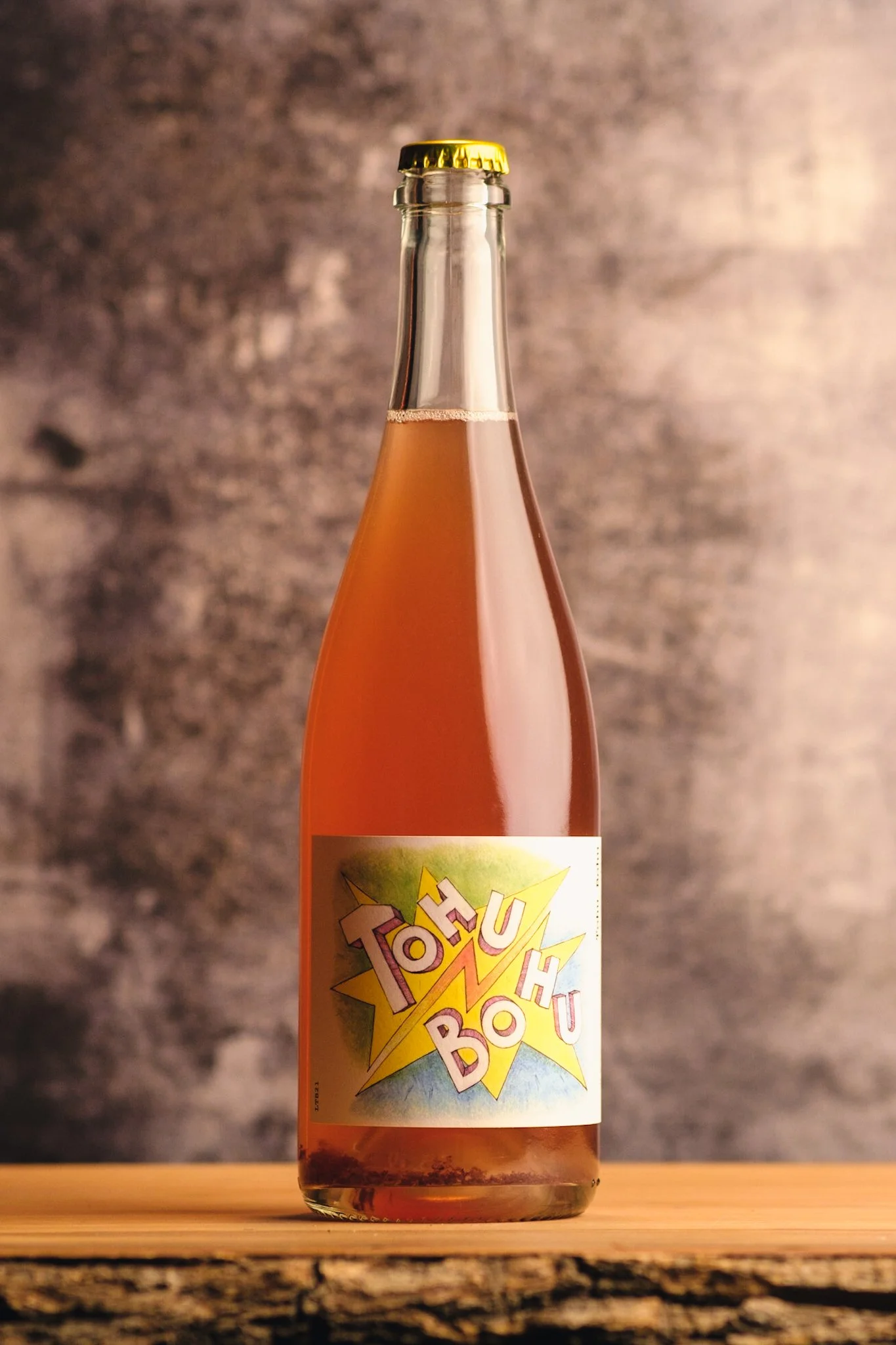
A light fruity rose Pet Nat with elegant and refined structure. Imagine raspberry, lime and mango paired with elderflower . Round, smooth and dangerously drinkable.
Winemaker | Warren és Maïté Perrocheau
Region | Anjou, Loire, France
Variety | Grolleau 50%, Chenin Blanc 50%
Viticulture | Organic
Soil | compacted clay and schist
Altitude | 180 m
Age of the vines | 45-70 years
Bottles made | 3000 bottles
Vinification
Hand harvest, direct pressing, spontaneous fermentation. The two varieties are prepared separately by Maité and Warren, soaking them in whole bunches in concrete tanks for a couple of hours on their skins before pressing, then bottled straight away. Disgorged earlier this year.

A bright, refreshing Chenin Blanc from Anjou, shaped by clay, schist and slate soils. The nose is elegant and lifted — fresh citrus and crisp green apple layered with delicate elderflower and a subtle stony nuance. On the palate, it is clean and vibrant, driven by lively acidity and a fine mineral backbone. The finish is crisp and gently saline, leaving the mouth refreshed and ready for another sip. Effortless yet precise, this is an easygoing expression of Chenin that delivers clarity and charm in equal measure.
Winemakers | Warren & Maïté Perrocheau
Region | Anjou, Loire, France
Variety | Chenin Blanc
Viticulture | Organic
Soil | Compacted clay with schist & slate
Altitude | 180 m
Vine Age | 45–70 years
Production | 5,000 bottles
VINIFICATION
Direct pressed into stainless steel and concrete tanks, where fermentation and ageing take place over approximately seven months. Bottled unfined, unfiltered and without the addition of sulphur.
A crisp, mineral Chenin built for warm days — pure, refreshing and quietly expressive.

A poised and mineral-driven Chenin Blanc from Anjou, expressing the quiet power of its clay, schist and slate soils. The nose opens with fresh citrus and crisp green apple, unfolding into ripe peach and subtle floral tones. On the palate, it is round yet precise, with layered texture balanced by vibrant acidity. A long, saline finish lingers, carried by stony minerality and tension. This is Chenin in its purest form — focused, elegant and deeply rooted in one of the Loire’s most compelling terroirs.
Winemakers | Warren & Maïté Perrocheau
Region | Anjou, Loire, France
Variety | Chenin Blanc
Viticulture | Organic
Soil | Compacted clay with schist & slate
Altitude | 180 m
Vine Age | 45–70 years
Production | 2,000 bottles
VINIFICATION
Direct pressed and aged for 12 months in old Burgundy-sized oak barrels, allowing gentle micro-oxygenation without overt wood influence. Bottled unfined, unfiltered and without the addition of sulphur.
A precise, terroir-driven Chenin built on clarity, texture and enduring minerality.
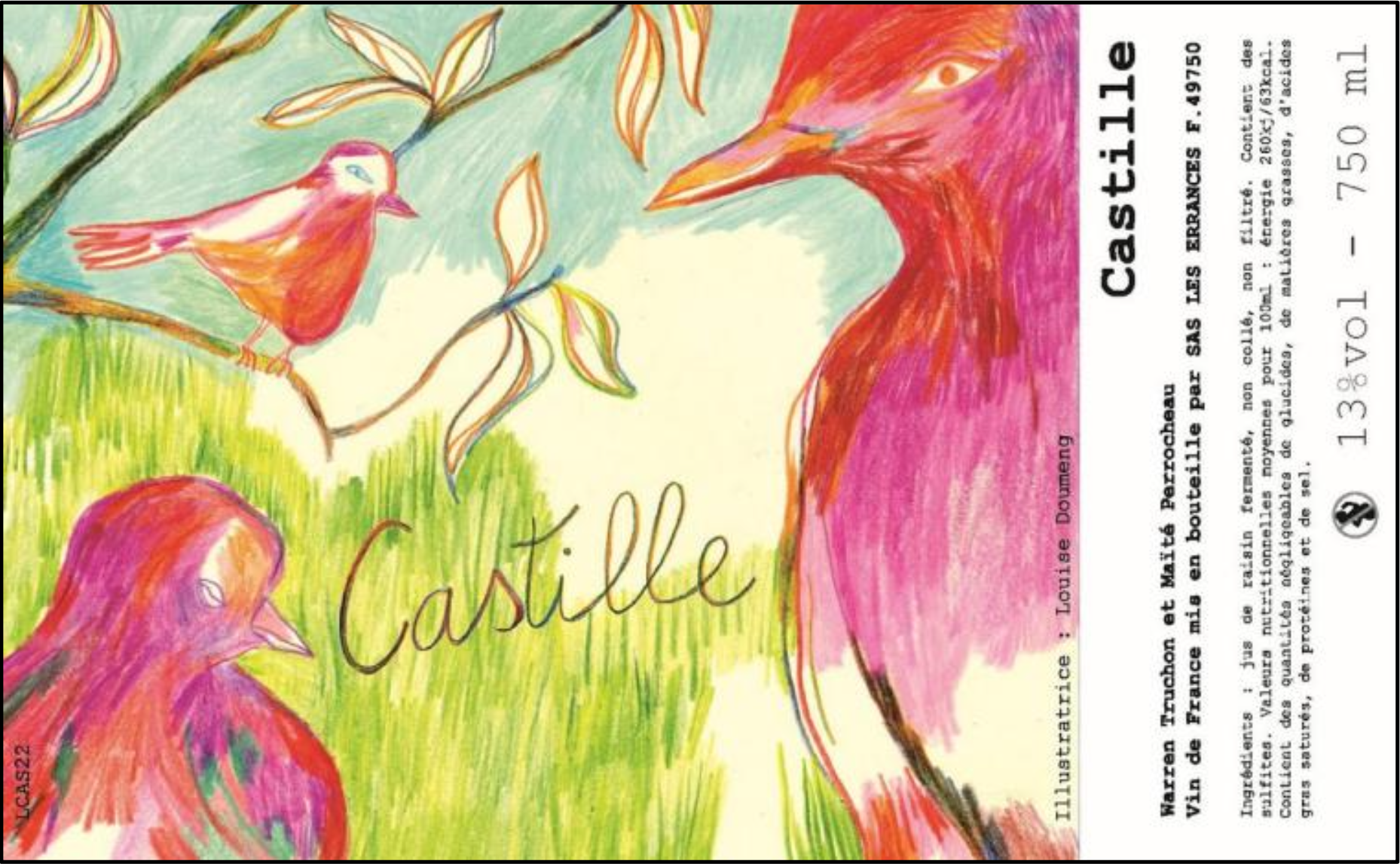
A truly remarkable expression of Chenin Blanc, this is the pinnacle cuvée from a tiny parcel within Les Aussigoins — a wine of rare depth, restraint and precision. Castille 2022 captures the essence of Anjou at its most refined: quiet intensity, sculpted minerality and an almost architectural sense of balance. The nose unfolds slowly, revealing layers of citrus oil, ripe orchard fruit, white peach and delicate floral notes, all framed by a subtle chalky, almost smoky minerality. With air, a gentle creamy evolution emerges, adding richness without ever softening its vertical tension.
The palate is composed and deeply textural, with a seamless flow of fruit, acidity and mineral drive. There is a sense of weightlessness combined with power — a wine that expands rather than pushes, building in complexity towards a long, saline and resonant finish. The oak is present only as structure, never flavour, allowing purity and terroir to speak with clarity and confidence.
A Chenin of serious intent and finesse — both cerebral and sensual, with the capacity to age gracefully for many years.
Winemakers | Warren & Maïté Perrocheau
Region | Anjou, Loire, France
Variety | Chenin Blanc
Style | White
Viticulture | Organic
Soil | Compacted clay with schist & slate
Altitude | 180 m
Vine Age | 45–70 years
Production | 600 bottles
VINIFICATION
Gently direct-pressed fruit is aged for 24 months in old Burgundy-sized oak barrels. No fining, no filtration, no added sulphur. Extended élevage allows slow development of texture, depth and aromatic complexity while preserving purity and tension.

A beautifully lifted Grolleau from Anjou, capturing lightness without losing depth. The nose is bright and inviting — crushed raspberry and red cherry intertwined with delicate violet blossom and a subtle earthy undertone from clay and schist soils. On the palate, it is supple and finely structured, with silky tannins and fresh acidity carrying the fruit effortlessly. Round, smooth and dangerously drinkable, yet quietly refined in its balance and poise.
Winemakers | Warren & Maïté Perrocheau
Region | Anjou, Loire, France
Variety | Grolleau
Viticulture | Organic
Soil | Compacted clay & schist
Altitude | 180 m
Vine Age | 45–70 years
Production | 8,000 bottles
VINIFICATION
Hand-harvested fruit is vinified separately by Maïté and Warren. Whole bunches macerate in concrete tanks for approximately 14 days before spontaneous fermentation. The wine ages for around eight months prior to bottling. Only a minimal 10 mg/L of sulphur is added before release.
An elegant, fruit-driven Loire red that balances freshness, finesse and pure drinkability.

A light yet structured red that showing the earthy and spicy expression of Pinot d’Aunis in this gentle, elegant style. Aromas open on wild strawberry, redcurrant and rhubarb, followed by pink peppercorn, crushed herbs and a subtle earthy undertone. Hints of citrus peel and orange blossom bring brightness and lift. The palate is juicy yet finely textured, with a cool, savoury edge that gives shape and depth without ever becoming heavy. Vibrant acidity drives the wine forward, making it both refreshing and quietly complex — a pure expression of finesse and drinkability.
Winemaker | Warren és Maïté Perrocheau
Region | Anjou, Loire, France
Variety | Pinot d'Aunis
Style | Red
Viticulture | Organic
Soil | compacted clay and schist
Altitude | 180 m
Age of the vines | 45-70 years
Bottles made | 600 bottles
Vinification
10 days of whole-bunch maceration followed by gentle pressing. The wine is aged for 1 year in concrete eggs, preserving clarity while allowing a slow, textured evolution. Bottled without fining, filtration or added sulphur.
Burgundy

A rare glimpse of Melon de Bourgogne from the limestone hills of Vézelay, grown alongside Chardonnay on the same sunlit slope. The wine shimmers with quiet tension—citrus zest, crushed shell, and white blossom glide over a taut mineral backbone drawn from shallow limestone soils. Nine months on fine lees in stainless steel lend gentle texture and saline depth, while keeping the palate bright and linear. A vivid, refreshing interpretation of this seldom-seen Burgundian variety, alive with precision and energy.
Winemaker | Jean-Paul Pando
Region | Vézelay, Burgundy, France
Variety | Melon de Bourgogne
Vintage | 2024
Viticulture | Organic
Soil | Shallow limestone
Exposure | South-facing, 10 % slope
Élevage | 9 months on lees in stainless steel
Vinification
Hand-harvested from organically farmed vines of Melon de Bourgogne and Chardonnay planted side by side on thin limestone soils. Fermented spontaneously with native yeasts, then aged nine months on fine lees in stainless steel. Bottled unfiltered, with minimal sulphur, this wine reflects the precision and salinity of Vézelay’s terroir—pure, tense, and quietly distinctive.

A poised and mineral-driven Chardonnay from the limestone slopes of Vézelay. “Les Champs Cadet” captures the quiet precision of Jean-Paul Pando’s work—vibrant citrus and white stone fruit glide across a fine saline spine, underpinned by the tension of shallow limestone soils. Nine months of élevage on fine lees in stainless steel lend texture and gentle weight, without masking its crystalline freshness. A wine of restraint and purity, where fruit, soil and touch come into perfect balance.
Winemaker | Jean-Paul Pando
Region | Vézelay, Burgundy, France
Variety | Chardonnay
Viticulture | Organic
Vintage | 2023
Soil | Shallow limestone
Exposure | South-facing, 10 % slope
Élevage | 9 months on lees in stainless steel
Vinification
Hand-harvested Chardonnay from organically farmed south-facing slopes on thin limestone soils. Fermented spontaneously with indigenous yeasts and aged for nine months on fine lees in stainless steel, without fining or filtration. A minimal-intervention approach preserves the wine’s clarity and minerality, resulting in a pure, finely etched expression of Vézelay terroir.
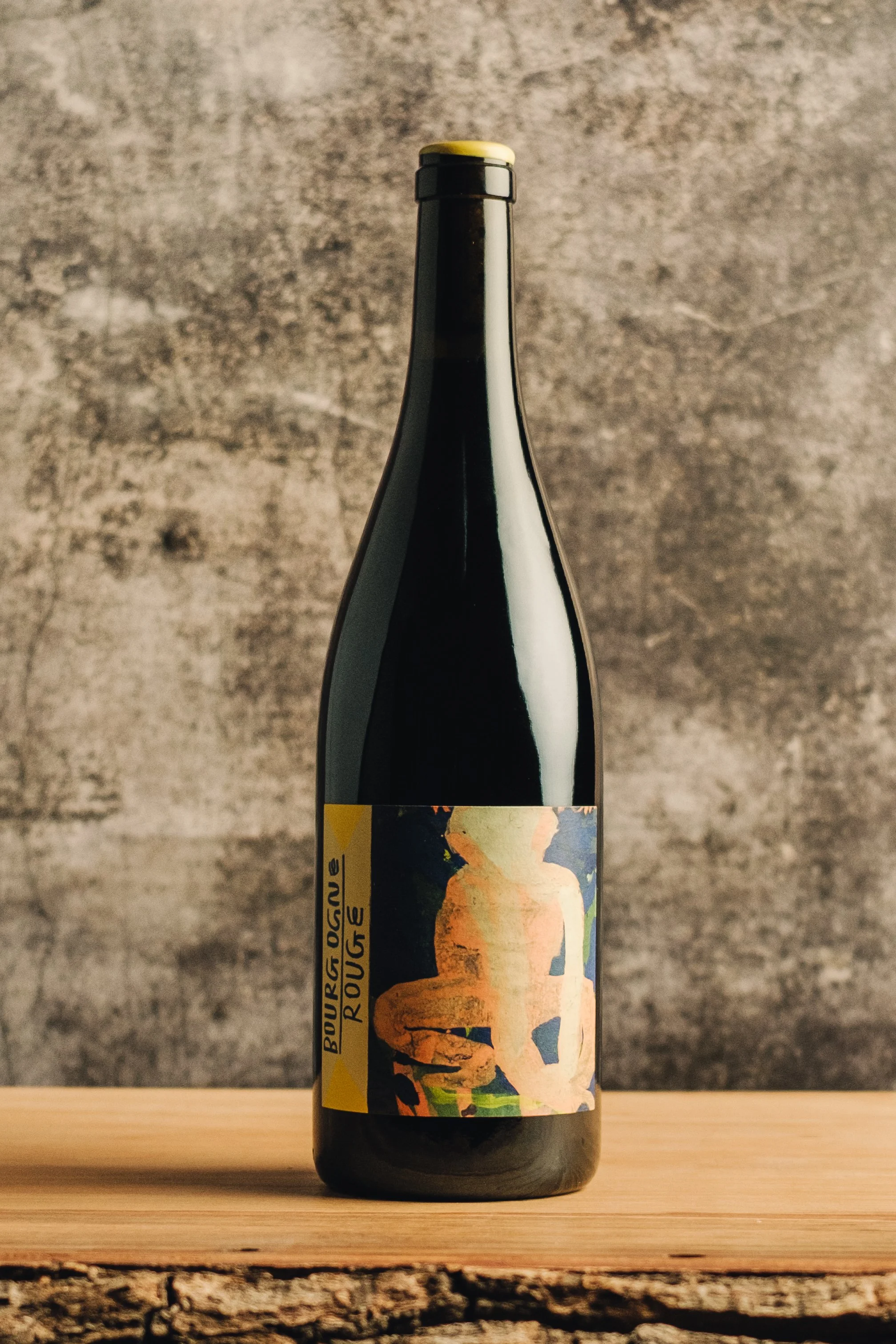
A supple, finely etched Pinot Noir from the northern reaches of Burgundy, just beside Irancy. The 2023 Bourgogne Rouge carries vibrant red cherry, wild strawberry, and gentle spice over a framework of fine tannins and lifted freshness. Whole-cluster fermentation brings aromatic lift and structure, while the blend of stainless steel and seasoned oak ageing preserves both fruit purity and textural depth. Elegant yet unforced, this is a quietly confident Burgundy—vivid, pure, and full of life.
Winemaker | Jean-Paul Pando
Region | Yonne, Burgundy, France
Variety | Pinot Noir
Vintage | 2023
Viticulture | Organic
Soil | Clay, limestone, and sand
Élevage | 9 months (60% stainless steel, 40% old oak)
Vinification
Hand-harvested Pinot Noir from vineyards near Irancy, grown on a mix of clay, limestone, and sandy soils. Whole-bunch maceration for 8–10 days with indigenous yeasts encourages gentle extraction and aromatic complexity. The wine is then aged for nine months—60% in stainless steel, 40% in three-year-old barrels—before bottling without fining or filtration. A minimal-intervention approach that lets the northern Burgundian terroir speak through its purity and finesse.
Rhône | Côte-rôtie
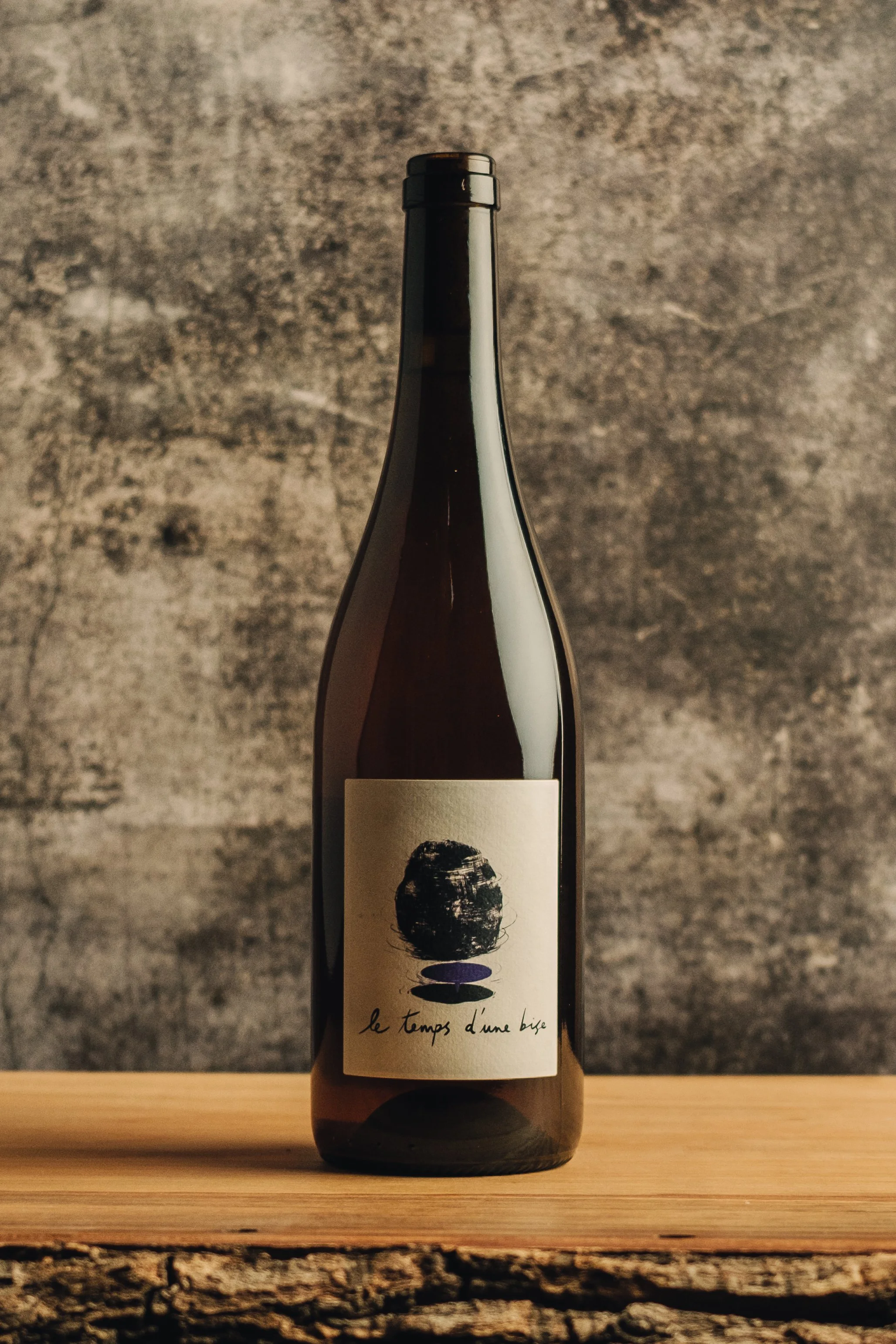
The nose strikes with lot of dried apricot, lychee, and beeswax, complemented by a delicate floral hint. On the palate, it strikes a balance between richness and freshness, with a smooth texture and lively tension. The finish is crisp, with a touch of bitterness and salinity, making it both refreshing and complex. A wine that leaves you wanting more with its bright acidity and lingering finish.
Winemaker | Thibaud Capellaro
Region | Côte-Rôtie Rhône, France
Variety | Viognier - 2 weeks on the skin
Viticulture | Organic
Soil | Granite, Clay - limestone
Altitude | 300 m
Age of the vines | 25 years
Bottles made | 1800 bottles
Vinification
The grapes undergo a two-week maceration on the skins, which imparts a deep, textured character and a touch of tannin, adding complexity and mouthfeel. Afterward, the wine is fermented and aged in a mix of 500-litre French oak barrels and amphora, which enhances its richness and subtle oxidative qualities. The combination of these ancient and traditional vessels brings out a beautiful balance between the wine's vibrant fruit and its savoury, mineral finish, offering something both elegant and intriguing.
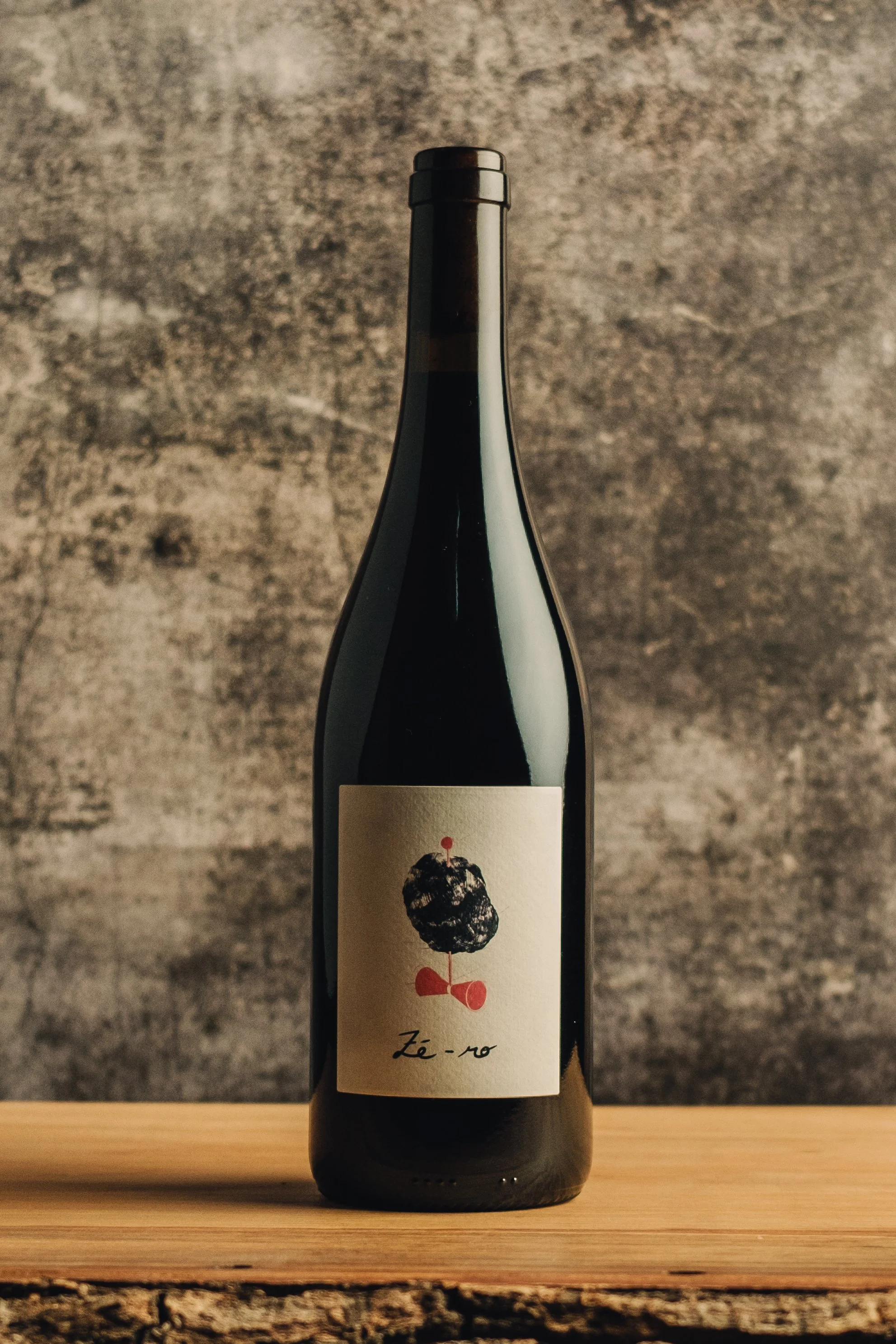
With "Zé-RO," Thibaud showcases his bold, modern take on the Rhône. This Syrah and Viognier blend bursts with vibrant red fruit, including juicy raspberry and white peach, complemented by delicate floral notes and a subtle hint of spice. Fresh, juicy, and incredibly approachable, it’s a wine that delivers a perfect balance of intensity and lightness. With an airy, smooth finish, Zé-RO is a delightful, easy-drinking red that embodies the best of contemporary Rhône winemaking—perfect for those looking for a refreshing, flavourful wine that still packs a punch.
Winemaker | Thibaud Capellaro
Region | Côte-Rôtie Rhône, France
Variety | Syrah, Viognier
Viticulture | Organic
Soil | Granite, Clay - limestone
Altitude | 300 m
Age of the vines | 25 years
Bottles made | 3800 bottles
Vinification
Zé-RO is crafted through a combination of direct pressing and whole bunch maceration for 3 weeks, a method that enhances the wine’s structure and aromatic complexity. After fermentation, the wine is aged in large concrete tanks, allowing it to develop with minimal intervention, preserving the freshness and purity of its fruit while gaining subtle texture. This approach reflects Thibaud Capellaro’s commitment to producing a natural, expressive wine with a modern twist on traditional Rhône techniques.

Vivid, perfumed and wonderfully original, this unique co-fermentation turns the classic Côte-Rôtie blend on its head. Bursting with blood orange, wild strawberries and raspberries, it unfolds into layers of elderflower, ripe mango and lychee, lifted by delicate spice and floral aromatics. The Viognier brings an exotic, silky texture, while the Syrah provides freshness, subtle structure and remarkable length. Elegant yet deeply expressive, it finishes with vibrant energy and a beautifully lingering mineral edge.
Winemaker | Thibaud Capellaro
Region | Ardèche & Côte-Rôtie, Rhône, France
Variety | 85% Viognier, 15% Syrah
Style | Red
Viticulture | Organic
Soil | Granite, clay-limestone
Altitude | 300 m
Age of the vines | 25 years
Bottles made | 800 bottles
Vinification
This remarkable cuvée reinterprets the traditional Côte-Rôtie approach in reverse. Whole-bunch Viognier from Gérald Oustric's renowned Le Mazel estate in southern Ardèche was co-fermented for ten days with already-pressed whole-bunch Syrah from Thibaud Capellaro's Côte-Rôtie vineyard. Following fermentation, the wine matured for eleven months in a combination of demi-muids and amphora, building texture and complexity while preserving purity and freshness. Bottled without fining, filtration or added sulphur, it is an elegant, vibrant and singular expression of Rhône terroir.

Packed with bright damson, black currant, and pepper, it’s dense, intense, multilayered, and mineral.
Winemaker | Thibaud Capellaro
Region | Saint-Joseph, Rhône, France
Variety | Syrah
Viticulture | Organic
Soil | Granite
Altitude | 300 m
Age of the vines | 25 years
Bottles made | 1800 bottles
Vinification
Grapes for this cuvée come from Thibaud’s parcels, one in the St-Joseph appellation and the other across the Rhône River. A massal selection of Syrah, 50% whole cluster, aged in demi-muids for 11 months. Bottled without fining or filtration 15mg/l of sulphur has been added before bottling.
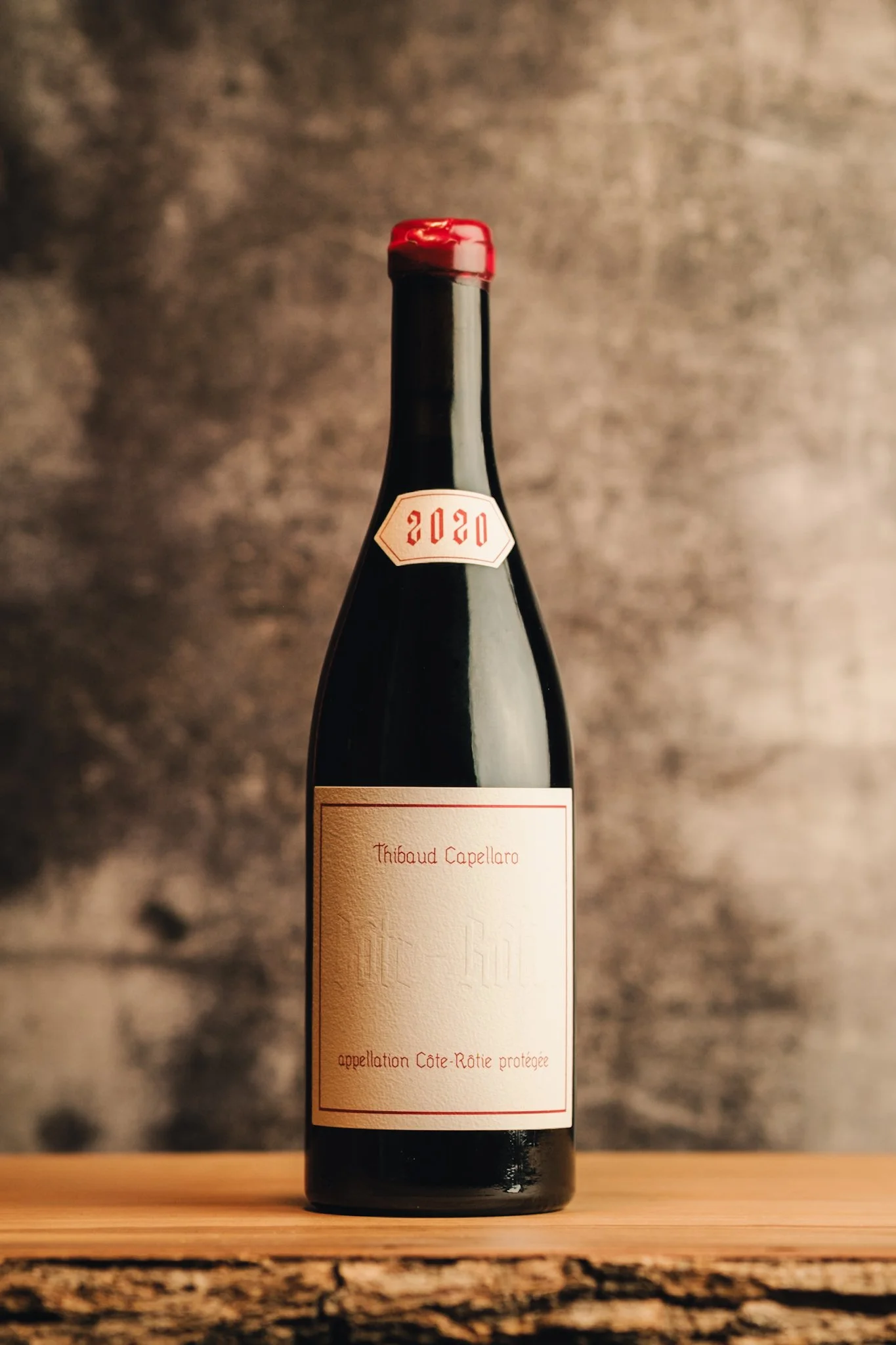
This Côte-Rôtie is nothing short of extraordinary—a wine that redefines the heights of the northern Rhône. The nose is an enchanting symphony of blackberries, wild cherries, and the most beguiling hints of smoked meats, underscored by the intoxicating perfume of violet and delicate notes of cracked black pepper. On the palate, it’s a perfect harmony of elegance and power, where the silky, finely woven tannins caress the tongue, while vibrant acidity lifts the rich, dark fruit profile to ethereal heights. A subtle earthiness and herbs add complexity, with an almost haunting, smoky finish that lingers long after the last sip. This Côte-Rôtie is the epitome of finesse, where every element—structure, depth, and intensity—melds together in perfect, breathtaking balance. A wine that will linger in your memory, elevating the very definition of what this legendary appellation can achieve.
Winemaker | Thibaud Capellaro
Region | AOC Côte-Rôtie Rhône, France
Variety | Syrah
Viticulture | Organic
Soil | Granite, Clay - limestone
Altitude | 300 m
Age of the vines | 25 years
Bottles made | 300 bottles
Vinification
The winemaking is a true masterpiece. It begins with two weeks of whole bunch fermentation, allowing the grapes to ferment naturally, preserving the wine’s purity and complexity. During this time, gentle hand punch-downs are employed to ensure a delicate extraction of color, tannin, and aromatics, enhancing the wine’s depth without overpowering its elegance. After fermentation, the wine is aged in small oak barrels, which imparts subtle oak influence, adding layers of texture and nuance while allowing the fruit’s natural character to shine through. This meticulous approach captures the essence of the terroir, producing a Côte-Rôtie that is both powerful and refined, with a sense of timeless grace.
Rhône | Saint-Joseph

Crafted from a blend of Marsanne and Viognier, is a beautiful reflection of the Saint-Joseph terroir. The nose offers an intriguing mix of lanolin, beeswax, and soft honeyed notes, complemented by a rich blend of ripe white peach and apricot. On the palate, the wine is complex and round, with a deep, mouth-filling texture that balances its vibrant acidity. A slight minerality adds depth, while the finish is long and soft, leaving a lasting impression of richness and elegance. This is a wine that is both luxurious and approachable, showcasing incredible depth and finesse.
Winemaker | Hugo Vercasson
Region | Saint-Joseph, Rhône, France
Variety | Viognier
Viticulture | Organic
Soil | Granite
Altitude | 400 m
Age of the vines | 25 years
Bottles made | 1800 bottles
Vinification
Careful direct pressing of the Marsanne and Viognier grapes, ensuring a gentle extraction of the fruit’s purest flavors. The juice is then fermented and aged in inox (stainless steel), preserving the freshness and crispness of the grapes while allowing their inherent complexity to unfold. This method highlights the purity of the varietals, ensuring that the wine retains its vibrant acidity, delicate textures, and clean, mineral character, while still allowing the richness and depth of the fruit to shine through in a beautifully balanced wine.
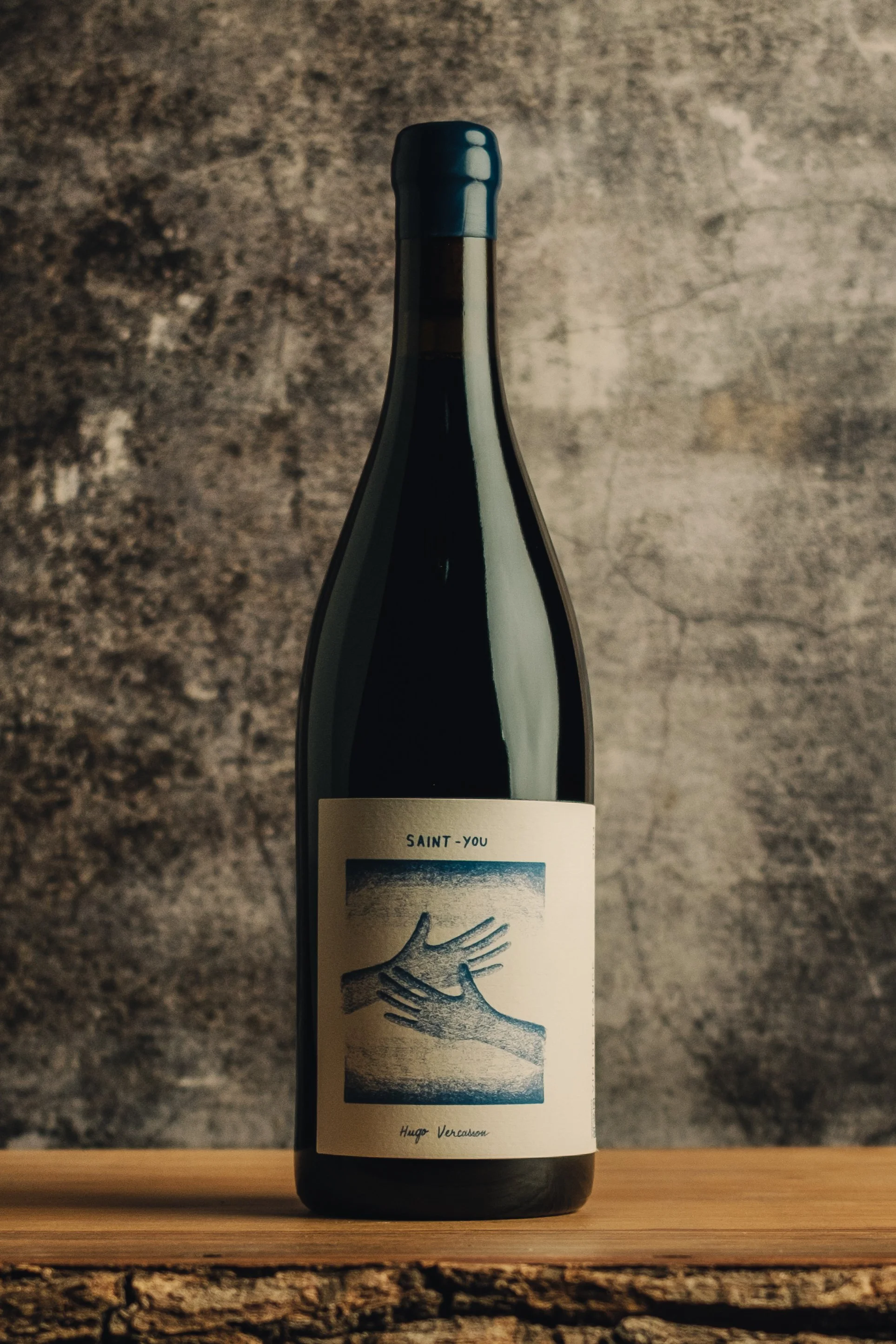
The nose is deep and complex, with layers of blackberries, plums, and a touch of smoked meat, intertwined with hints of black pepper and herbs. On the palate, it’s bold yet refined, with vibrant acidity that lifts the rich, dark fruit flavors. The soft extraction of tannins, resulting in a smooth, elegant texture. Aged in amphora, the wine gains added depth and a subtle earthy quality, with a finish that’s both long and silky, leaving behind a hint of spice and mineral freshness. This is a Syrah that balances power and finesse beautifully.
Winemaker | Hugo Vercasson
Region | Saint-Joseph, Rhône, France
Variety | Syrah, Viognier
Viticulture | Organic
Soil | Granite
Altitude | 400 m
Age of the vines | 25 years
Bottles made | 2400 bottles
Vinification
The focus is on gentle extraction to highlight the purity and depth of the fruit. The grapes undergo whole bunch crushing, followed by two weeks of hand punch-downs, allowing for a soft, gradual extraction of tannins and flavors. This method ensures the wine maintains its elegance while developing complexity. After fermentation, the wine is aged in amphora, which enhances its texture and imparts a subtle earthy character, while maintaining freshness and highlighting the mineral qualities of the Saint-Joseph terroir. The result is a refined, balanced red with rich fruit and a nuanced, smooth finish.
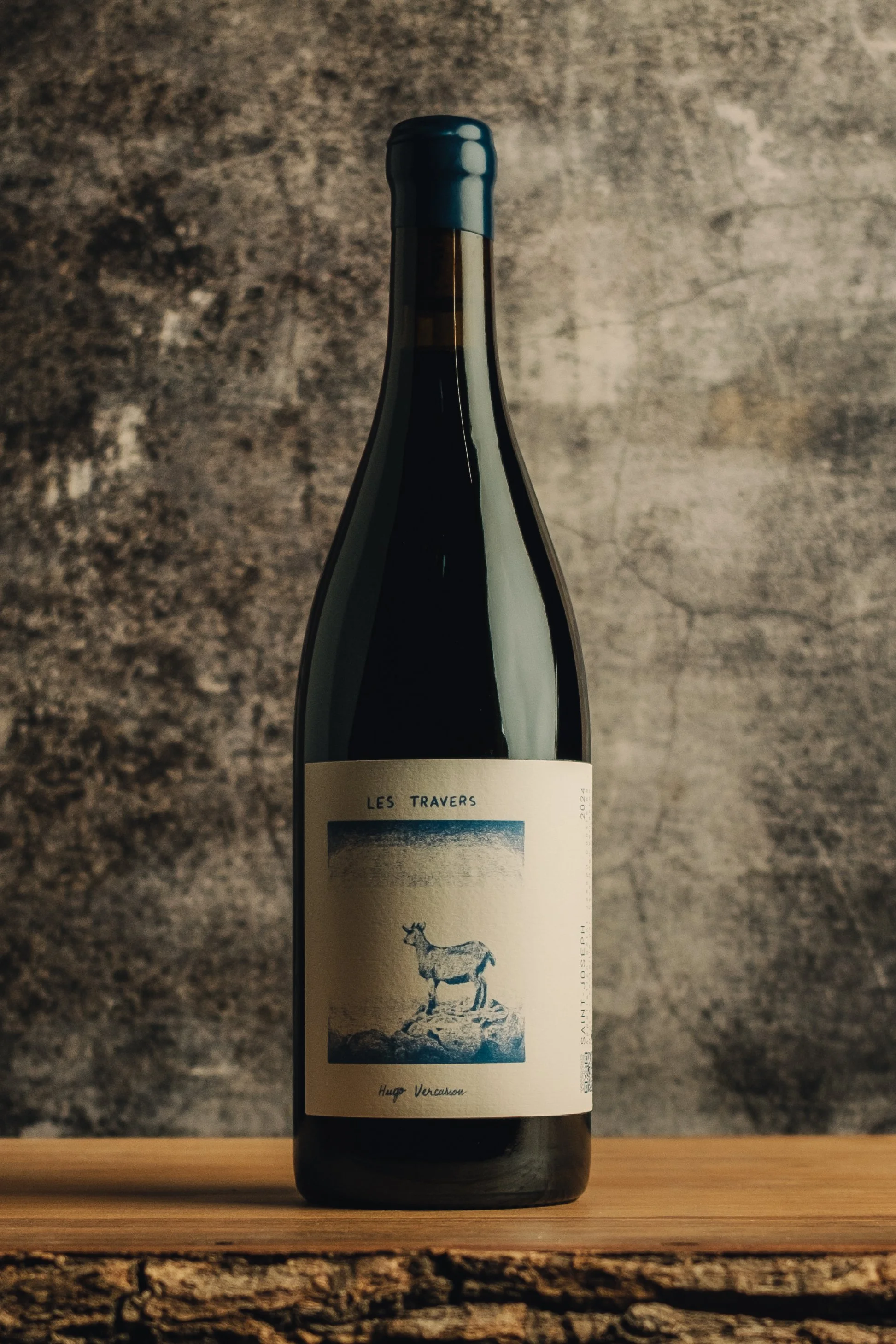
Captivateing deep rich bouquet of ripe blackberries, blueberries, and earthy notes reminiscent of wet stones. Subtle hints of cracked black pepper and a delicate smokiness add complexity. On the palate, it reveals juicy blackberry flavours intertwined with savoury minerals, reflecting the rugged terroir. Velvety texture and fine-grained tannins provide structure, while a lingering finish echoes dark berries and a touch of smoke, embodying this epic Syrah worth cellaring.
Winemaker | Hugo Vercasson
Region | Saint-Joseph, Rhône, France
Variety | Syrah
Viticulture | Organic
Soil | Granite
Altitude | 400 m
Age of the vines | 25 years
Bottles made | 1800 bottles
Vinification
The grapes are whole bunch crushed and macerated for 15 days. After gentle pressing the wine ages in Amphora for 9 months. Bottled without fining, filtration or the additions of sulphur.
ardèche

Delicate yet deeply expressive, Le Murmure de l’Eau is a finely tuned Rhône white that balances precision with quiet complexity. Layers of bright citrus, white peach and subtle tropical fruit unfold over a striking mineral backbone, shaped by limestone and granite soils. Airy and refined, it carries a natural salinity and tension that gives the wine its energy and length. Pure, linear and effortlessly elegant, this is a wine that whispers rather than shouts—yet lingers long after the final sip.
Winemaker | Etienne Seignovert & Thibaud Capellaro
Region | Rhône, France
Variety | Jacquère (75%), Marsanne (25%)
Style | White
Viticulture | Organic
Soil | Clay-limestone and Granite
Altitude | 300-500 m
Age of the vines | 20 - 50 years
Bottles made | 3381 bottles
Vinification
The grapes were gently direct-pressed to preserve purity and finesse, then fermented and aged for eight months in stainless steel tanks. This reductive élevage allows the wine’s natural tension, minerality and aromatic precision to remain at the forefront. Bottled without fining, filtration or any added sulphur, it is a pure and unadorned expression of high-altitude Rhône terroir.

Prepare to be captivated by this enchanting Syrah. Its magnificent aroma unveils noble herbal notes, interwoven with cured meat and black pepper powered by a bucket-load of primary fruit aromas. On the palate, it bursts with vibrant intensity and profound depth, brimming with an exhilarating blend of fresh red and blackberries. Its wild and thrilling character makes it irresistibly tempting to pour a second glass. Certainly not for the faint-hearted, it's a bold and unforgettable experience.
Winemaker | Etienne Seignovert
Region | Ardéche, Rhône, France
Variety | Syrah
Viticulture | Organic
Soil | decomposed Granite
Altitude | 350 m
Age of the vines | 45 years
Bottles made | 2000 bottles
Vinification
The grapes are whole bunch crushed and macerated for 7 days. After gentle pressing the wine ages in used oak barrels for 8 months. Bottled without fining, filtration or the additions of sulphur.

This is a remarkably complex orange wine, offering a tapestry of vibrant aromas and flavours. Expect an enticing bouquet of citrus fruits, alongside a delicate hint of pineapple and the exotic richness of mango chutney. The nose evolves with notes of zesty lime peel, fresh gooseberry, and a distinct waft of bergamot, leading into earthy, herbaceous tones of rosemary and the savoury depth of tomato leaf. On the palate, it’s well-balanced, with a thick, viscous texture that glides smoothly, offering a luxurious mouthfeel. The finish is exceptionally long, lingering with precision, while the wine shows tremendous ageing potential, promising to evolve beautifully over time.
Winemaker | Etienne Seignovert
Region | Ardéche, Rhône, France
Variety | Viognier, Roussanne
Viticulture | Organic
Soil | decomposed Granite
Altitude | 350 m
Age of the vines | 45 years
Bottles made | 2000 bottles
Vinification
The Viognier grapes are carbonic macerated without crushing for 10 days while the Roussanne has been crushed and the whole bunches are macerated with gentle hand punch down in open top fermenters for one and a half weeks before pressing. The pressed juice then ferments and ages in used oak barrels for 8 months. Bottled without fining, filtration or the additions of sulphur.

An elegant and clean example of a great Syrah, It offers a rich and beautifully concentrated profile, featuring ripe red and black fruits such as cherry, raspberry, and blackberry, complemented by spicy and floral notes. The texture is velvety and silky, with perfectly integrated tannins that lend structure and balance. The well-balanced acidity adds freshness and liveliness, while the fruity flavours persist, evolving towards hints of liquorice, pepper, and cocoa for a long, elegant finish. Encaptures and amazing ageing potential.
Winemaker | Etienne Seignovert
Region | AOP Saint-Joseph, Rhône, France
Variety | Syrah
Viticulture | Organic
Soil | Gneiss and Granite
Altitude | 400 m
Age of the vines | 50 years
Bottles made | 800 bottles
Vinification
The grapes are whole bunch crushed and macerated for 25 days. After gentle pressing the wine ages in used oak barrels for 18 months. Bottled without fining, filtration or the additions of sulphur.
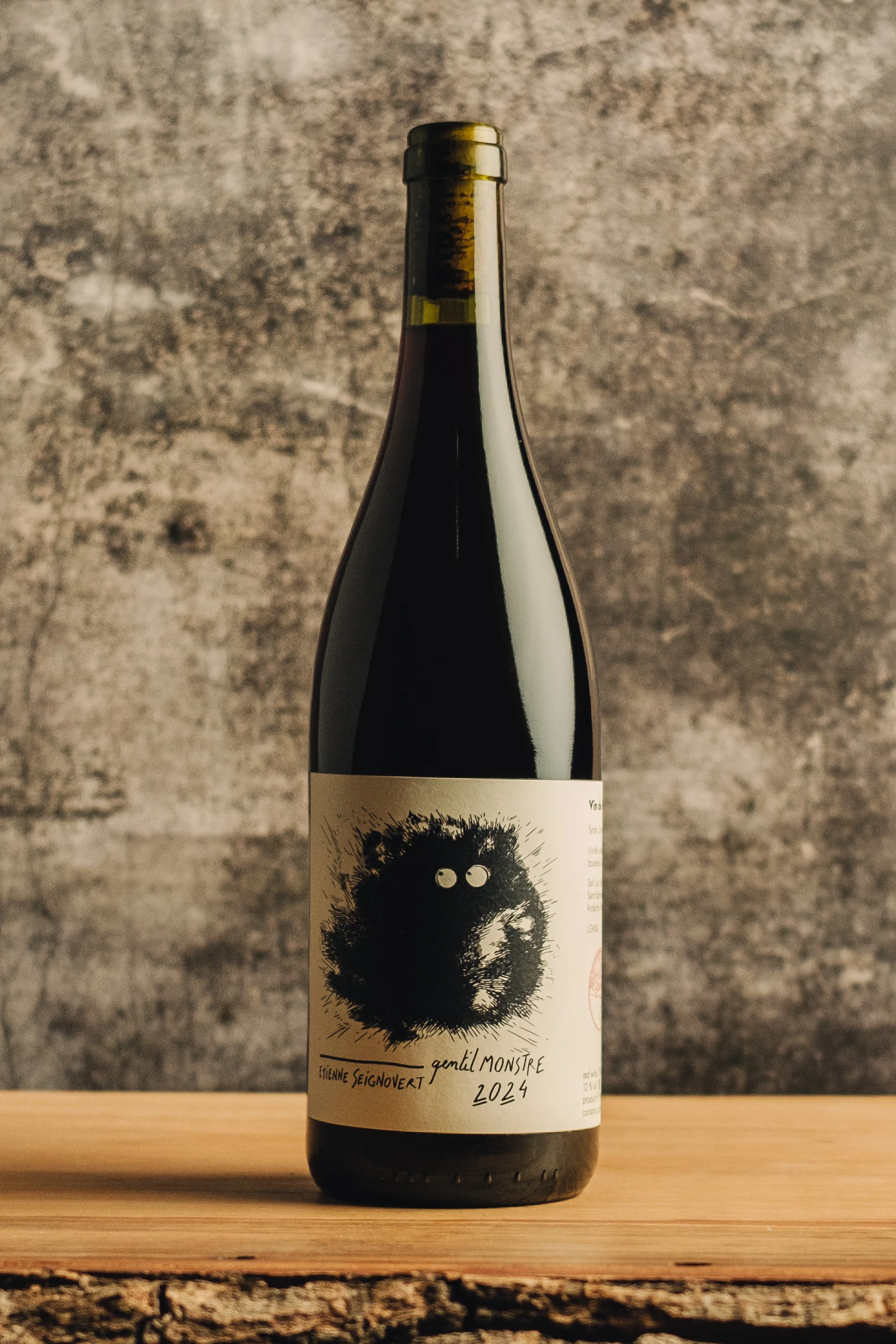
This “Kind Monster” unveils an intriguing nose of ripe cherry, black pepper, and a subtle hint of lime peel, complemented by a delicate, meaty savouriness and the complex aroma of fermented plum. The palate is plush and juicy, with a round, elegant texture that envelops the senses. Flavours of ripe cherry, soft plum, and fresh strawberries dominate, creating a beautifully balanced wine that’s both vibrant and full of character.
Winemaker | Etienne Seignovert
Region | Ardéche, Rhône, France
Variety | Syrah, Merlot
Viticulture | Organic
Soil | decomposed Granite
Altitude | 350 m
Age of the vines | 45 years
Bottles made | 3000 bottles
Vinification
The Syrah grapes are whole bunch crushed and gently macerated for 7 days. The Merlot is direct pressed. The Juice ferments and ages in stainless steel for 8 months. Bottled without fining, filtration or the additions of sulphur.
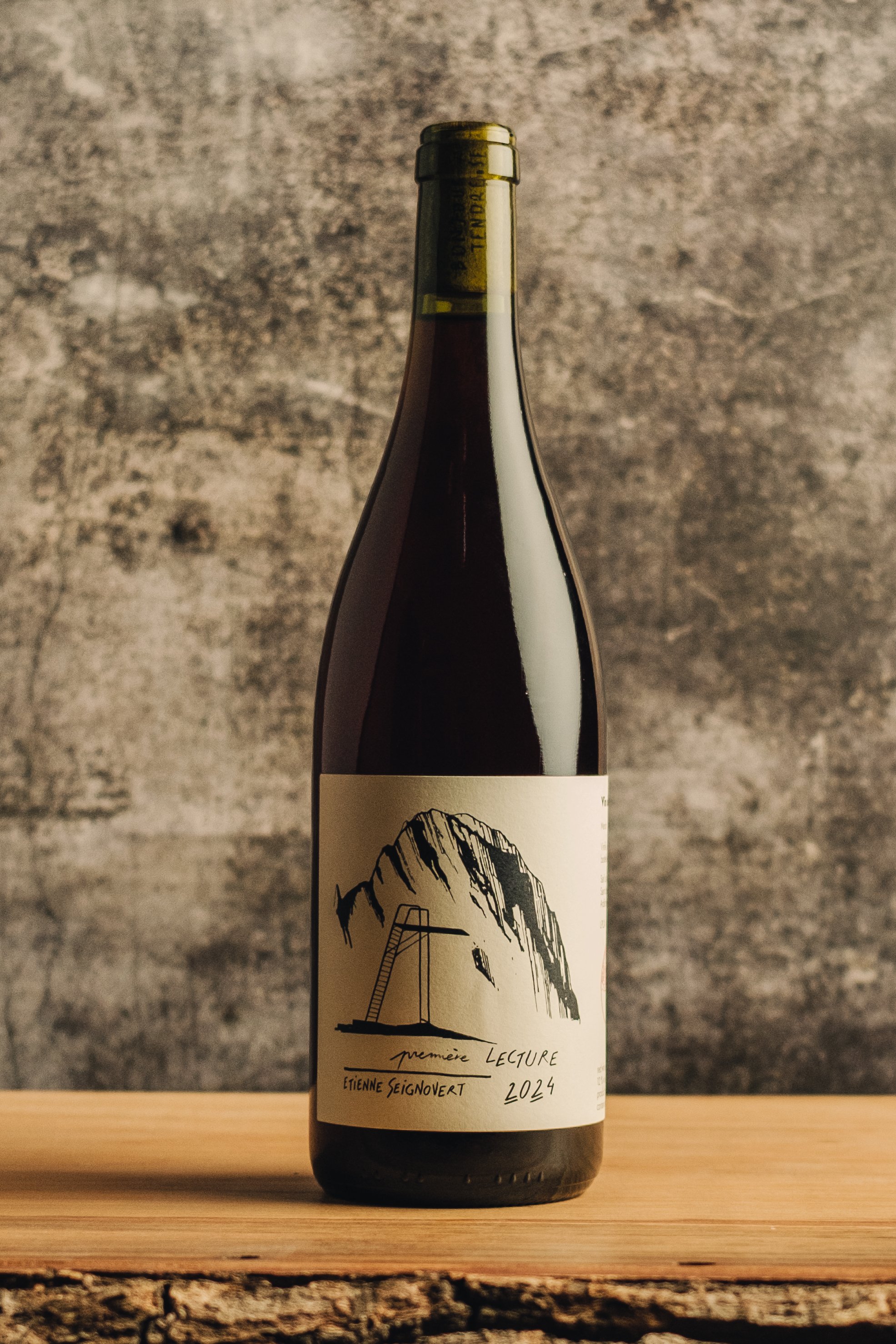
The nose is wonderfully expressive, bursting with pronounced aromas of rich strawberry jam, smooth vanilla, and a subtle hint of cassis. It’s a captivating bouquet that immediately draws you in. On the palate, the wine is incredibly concentrated, yet it retains an electrifying vibrancy. The fruit is intense and fresh, with layers of ripe and cooked strawberry, while the smooth vanilla adds a touch of roundness. The balance between the wine’s depth and its lively, almost zesty energy creates a thrilling mouthfeel, leaving a long-lasting and vibrant finish that lingers beautifully.
Winemaker | Etienne Seignovert
Region | Ardéche, Rhône, France
Variety | Merlot
Viticulture | Organic
Soil | decomposed Granite
Altitude | 350 m
Age of the vines | 45 years
Bottles made | 3000 bottles
Vinification
This wine is crafted using a technique known as "trompette," where half of the Merlot grapes are direct pressed, while the other half, left as uncrushed whole bunches, are soaked in the pressed juice, creating an infusion. After 10 days of maceration, the remaining grapes are then pressed. The wine is aged in stainless steel for 8 months, allowing it to develop a refined character while maintaining fresh, vibrant fruit notes. Bottled without fining, filtration or the additions of sulphur.

This captivating wine is a brilliant collaboration between Thibaud Capellaro and Etienne Seignovert, two young winegrowers from the north of the Rhône valley. They’ve masterfully crafted a wine that is irresistibly fresh and fun. Bursting with fresh cherry and strawberry, complemented by vibrant tropical notes of mango and passion fruit, and a delicate hint of elderflower. On the palate, it’s wonderfully rounded, with refreshing acidity and a finish that lingers elegantly. This is a wine that’s almost too easy to enjoy.
Winemaker | Etienne Seignovert & Thibaud Capellaro
Region | Rhône, France
Variety | Grenache (40%), Syrah (30%) and Viognier (30%)
Viticulture | Organic
Soil | Gneiss and Granite
Altitude | 300-500 m
Age of the vines | 20 - 50 years
Bottles made | 800 bottles
Vinification
50% of the Granache (from the Gard) was carbonic macerated the other half direct pressed. The Syrah was fermented for 5 days on the skins in 50% whole bunches and 50% destemmed. The Viognier was direct press both came from Thibaud’s vdf vineyards in northern Rhône. They were then blended and aged in used oak barrels for 8 months. Bottled without fining, filtration or the additions of sulphur.
BORDEAUX

Showcases a beautiful harmony between fruit, earth, and spice, emphasizing the purity and expressiveness of the Merlot grape. Its vibrant character and complex layers make it an intriguing and enjoyable wine, perfect for those who are tipping their those into natural wines, a real crowed pleaser.
Winemaker | Benoît Joussot
Region | Medoc, Bordeaux, France
Variety | Merlot 95%, Malbec
Viticulture | Organic
Soil | Clay and Limestone
Altitude | 150 m
Age of the vines | 25 years
Bottles made | 10000 bottles
Vinification
The grapes are destined and macerated for a short period of time to preserve fruit and fresheness. After gentle pressing the wine ages in stainless steel tanks for 8 months. Bottled without fining, filtration with 30mg/l of sulphur added.

A powerful and expressive wine of its terroir and varieties. The nose is intense and complex, showcasing bold dark fruit characters such as blackcurrant, blackberry, and plum. Its beautifully complemented by herbal, and spicy notes, with earthy elements like cedar, graphite, and a hint of forest floor. Its vibrant character and complex layers with the well-integrated tannins and balanced acidity make it an extremely age worthy wine.
Winemaker | Benoît Joussot
Region | Saint-Yzans,Medoc, Bordeaux, France
Variety | Cabernet Sauvignon 50% Merlot 50%
Viticulture | Biodynamic
Soil | Limestone
Altitude | 150 m
Age of the vines | 65 years
Bottles made | 1800 bottles
Vinification
The grapes are destined and macerated for a short period of time to preserve fruit and fresheness. After gentle pressing the wine ages in stainless steel tanks and old oak barrels for 1 8 months. Bottled without fining, filtration or addition of sulphur.
ITALY
SICILY
MARSALA
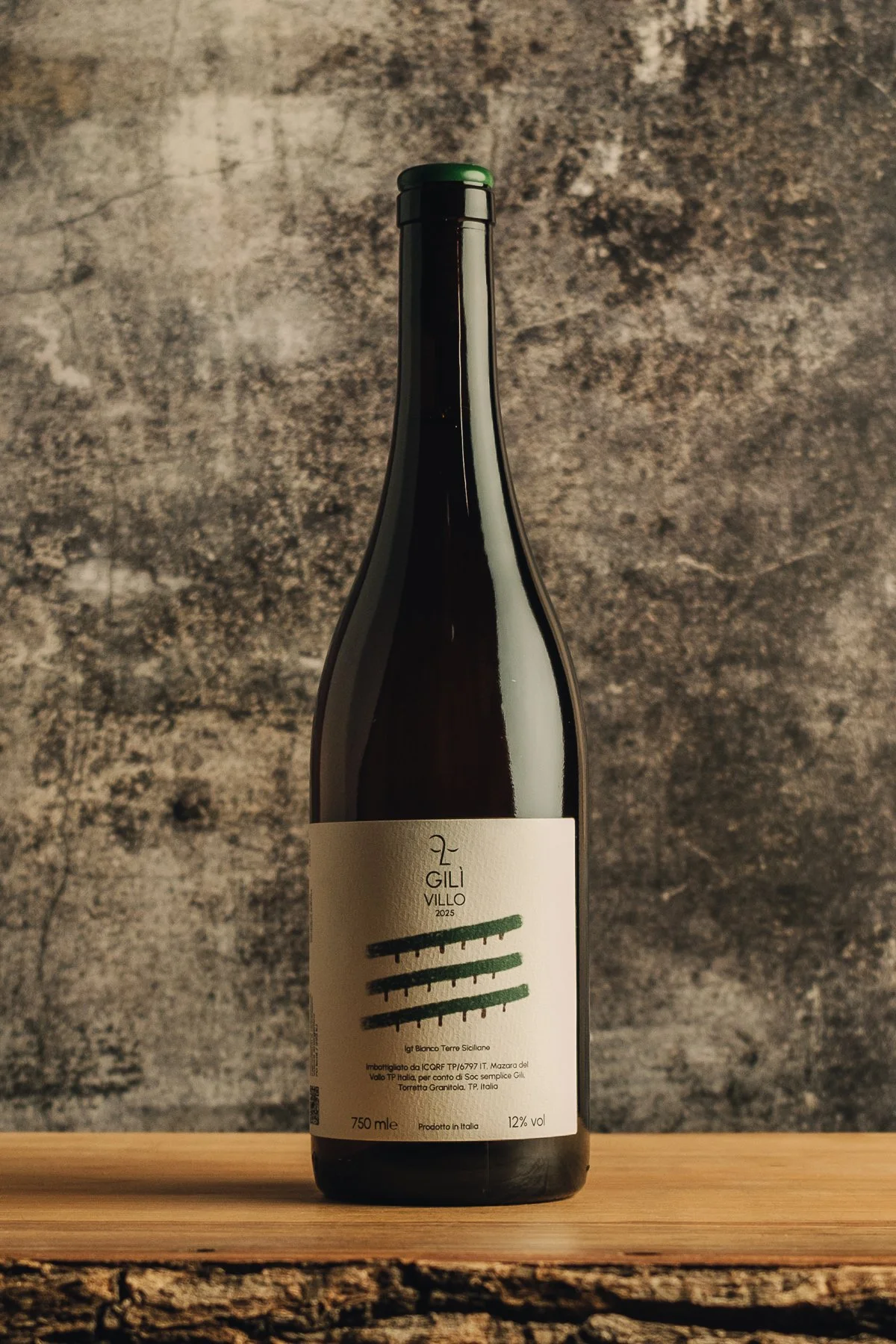
Bright, saline and wonderfully textural, this Grillo captures the essence of Sicily's Mediterranean coastline. Waves of preserved lemon, grapefruit and crisp green apple are layered with white peach, wild herbs and a subtle savoury note from the partial skin contact. Seven months in large oak casks bring gentle breadth and harmony without overshadowing the wine's freshness. The finish is long, vibrant and distinctly mineral, echoing the limestone soils and the sea just a kilometre from the vineyard.
Winemaker | Ermanno and Alice
Region | Marsala, Sicily, Italy
Variety | Grillo
Style | White
Viticulture | Organic
Soil | Limestone with red sand and clay topsoil
Altitude | 60 m
Age of the vines | 30 years
Bottles made | 3100 bottles
Vinification
Sourced from the estate's first vineyard, just one kilometre from the Mediterranean, this Grillo reflects its coastal origins with remarkable purity. Half of the fruit underwent one week of skin contact to build texture and complexity, while the remaining grapes were gently pressed and fermented in stainless steel to preserve freshness and aromatic precision. After fermentation, the two components were blended and matured together for seven months in a large neutral oak cask, resulting in a wine that balances vibrant fruit, savoury depth and striking mineral tension.
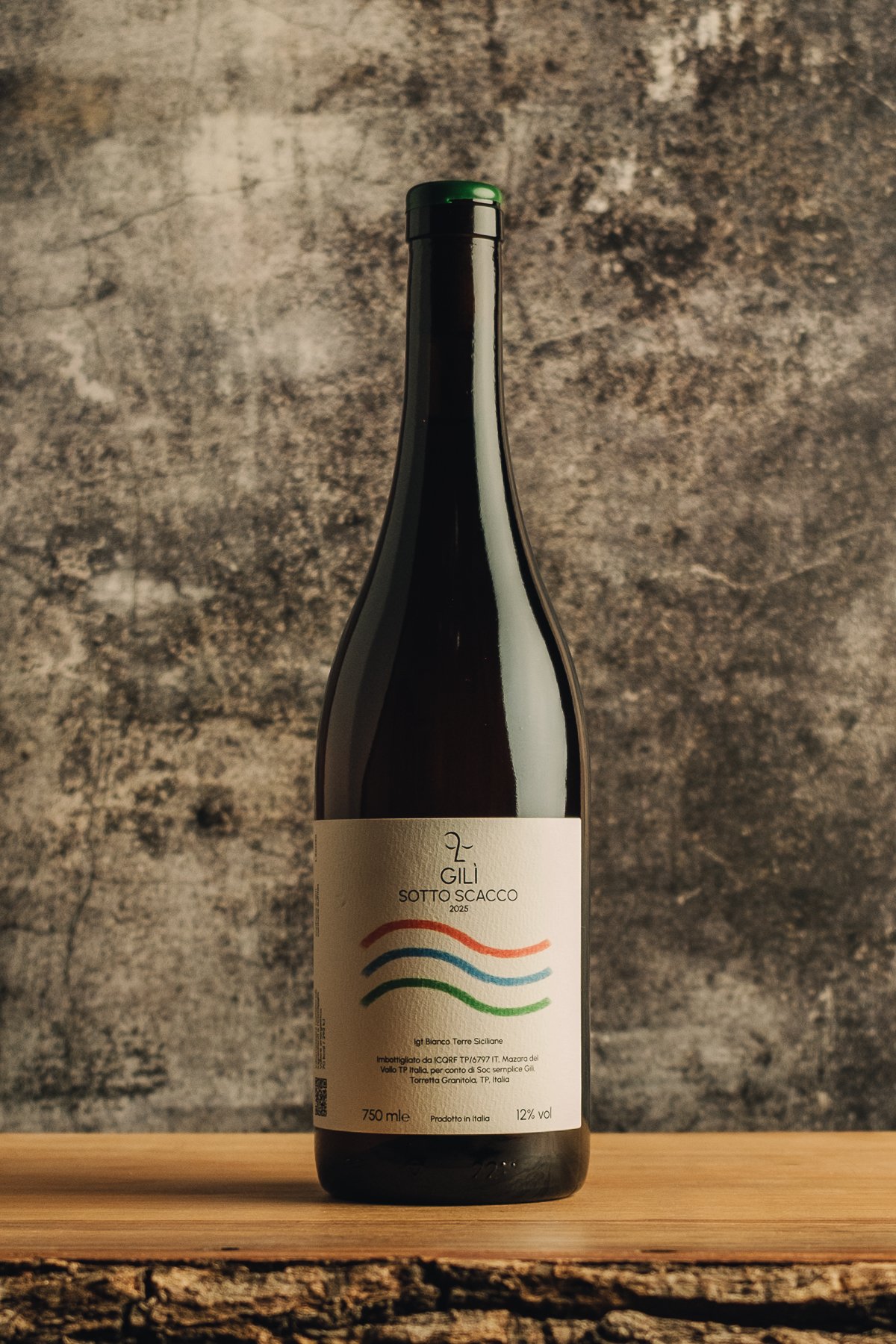
Powerful yet remarkably refined, Sotto Scacco reveals the true depth of Catarratto. Layers of preserved lemon, ripe orchard fruit and yellow plum unfold alongside toasted almonds, beeswax and subtle baking spice. Fermentation and ageing in seasoned oak tonneaux bring impressive weight and texture without masking the wine's purity, while a vibrant limestone-driven minerality keeps everything focused and effortlessly long. Concentrated, complex and beautifully poised, this is a wine built to evolve gracefully over the coming years.
Winemaker | Ermanno and Alice
Region | Marsala, Sicily, Italy
Variety | Cataratto
Style | White
Viticulture | Organic
Soil | Limestone with red sand and clay topsoil
Altitude | 60 m
Age of the vines | 30 years
Bottles made | 670 bottles
Vinification
Sotto Scacco is produced from a small selection of Catarratto, showcasing the remarkable ageing potential of this often-overlooked Sicilian variety. After gentle pressing, the wine ferments spontaneously in regenerated, neutral oak tonneaux, where it continues to mature until March. The seasoned barrels contribute texture, depth and gentle oxygenation while allowing the vineyard and variety to remain centre stage. Bottled unfiltered, only 600 bottles are produced each vintage, making this a rare and distinctive expression of Catarratto.

A thrilling exploration of texture and complexity through this Etna orange wine. The nose opens with an intriguing mix of dried citrus peel and ripe pear, weaving in delicate notes of honeycomb and toasted almond for a subtle richness. As it unfolds, the volcanic minerality takes centre stage, grounding the wine with an earthy depth, while the lively citrus zest dances on the palate. A soft, almost velvety tannic grip adds body, and a whisper of spice elevates the experience. The finish is wonderfully long and savoury, with a crisp, saline edge that leaves you longing for another sip. It’s a wine that beckons discovery with every glass.
Winemaker | Fabio Signorelli
Region | Etna, Sicily, Italy
Variety | 70% Carricante and 30% of other white varieties
Viticulture | Organic
Soil | Volcanic
Altitude | 600 - 850 m
Age of the vines | planted in 1896 & 1960
Bottles made | 427 bottles
Vinification
The grapes undergo destemming and pressing, followed by spontaneous fermentation with maceration of 9 to 12 days in open vats. The wine is then aged in glass demijohns and small fiberglass containers, allowing for a precise maturation that preserves the integrity of the varietals and the influence of the volcanic terroir.

A captivating dance between vibrant red fruits and a subtle, yet intriguing, earthy complexity. Fresh raspberry and wild strawberry tantalise the palate, their sweetness beautifully tempered by zesty citrus notes and delicate herbal whispers of the Mediterranean. Beneath this fruity melody lies a fine, almost mineral edge that speaks of the volcanic soils and high-altitude vineyards, adding an unmistakable depth to the wine. With a touch of spice from the Grenache and a lingering finish that hints at a saline freshness, each sip reveals something new, making this Rosé a truly enchanting experience.
Winemaker | Fabio Signorelli
Region | Etna, Sicily, Italy
Variety | Nerello Mascalese, Sangiovese, Grenache, Grecanico and
other white grapes
Viticulture | Organic
Soil | Volcanic
Altitude | 550-920 m
Age of the vines | 20 - 64 years
Bottles made | 784 bottles
Vinification
Destemming and pressing are followed by maceration in open vats for 24 to 36 hours, during which spontaneous alcoholic fermentation takes place. The wine is then gently pressed by hand and undergoes fermentation in a cement vat. Finally, it is refined in small fiberglass tanks, allowing it to mature and develop its full character.

This remarkable red wine, sourced from the 1896 vineyard of Bardazzi Contrada, offers a truly unique expression of Etna’s heritage. A blend of 60% Nerello Mascalese and 40% ancient, diverse varieties, it reveals a complex bouquet of dark berries, dried herbs, olives, black pepper, and subtle spice, with intriguing hints of Mediterranean florals and earthiness. On the palate, the wine is both structured and harmonious, showcasing fine, integrated tannins and a deep minerality that reflects the vineyard's elevated northeast-facing terraces. The layered fruit profile, coupled with the richness of dates and the intriguing nuances from the ancient grape varieties, creates a wine of exceptional depth and elegance, perfectly capturing the spirit of this historic, symbiotic vineyard.
Winemaker | Fabio Signorelli
Region | Etna, Sicily, Italy
Variety | 60% Nerello Mascalese and 40% ancient, diverse varieties from a single vineyard
Viticulture | Organic
Soil | Volcanic
Altitude | 600 m
Age of the vines | planted in 1896
Bottles made | 659 bottles
Vinification
Destemming and pressing are carried out using a small, hand-operated destemmer. The grapes undergo maceration in small open vats, where spontaneous fermentation unfolds, with skin contact lasting between 21 to 28 days. Daily manual punchdowns are performed, followed by soft manual pressing. The malolactic fermentation proceeds naturally and without intervention. The wine is aged in small fiberglass containers, allowing it to develop further complexity. Afterward, it undergoes bottle aging for a minimum of 12 months before being released.

This Nerello Mascalese opens with a captivating nose of dark cherries, wild berries, and a hint of Mediterranean herbs, like rosemary and thyme, underscored by a subtle smokiness from the volcanic soil. On the palate, it’s medium-bodied with a delicate balance of ripe red fruit and earthy minerality, thanks to the volcanic terroir. The old oak aging imparts a gentle roundness, adding complexity with whispers of spice, while the concrete maturation preserves the freshness, giving it a pristine, slightly floral lift. Tannins are fine and integrated, leading to a long, elegant finish with a touch of savoury ashiness and a refreshing acidity that keeps the wine vibrant and alive. A true expression of Etna’s unique character.
Winemaker | Fabio Signorelli
Region | Etna, Sicily, Italy
Variety | Nerello mascalese
Viticulture | Organic
Soil | Volcanic
Altitude | 550-850 m
Age of the vines | 20 - 64 years
Bottles made | 1869 bottles
Vinification
Destemming and pressing are carried out using a small, hand-operated destemmer. The grapes undergo maceration in small open vats, where spontaneous fermentation takes place, with skin contact lasting between 14 to 21 days, accompanied by gentle daily punchdowns. Pressing is done manually. The malolactic fermentation is completely spontaneous. The wine is then assembled and aged in small concrete tanks, with a small portion resting in old oak. It is then bottle-aged for a minimum of 12 months before being released
Hungary
Tokaj
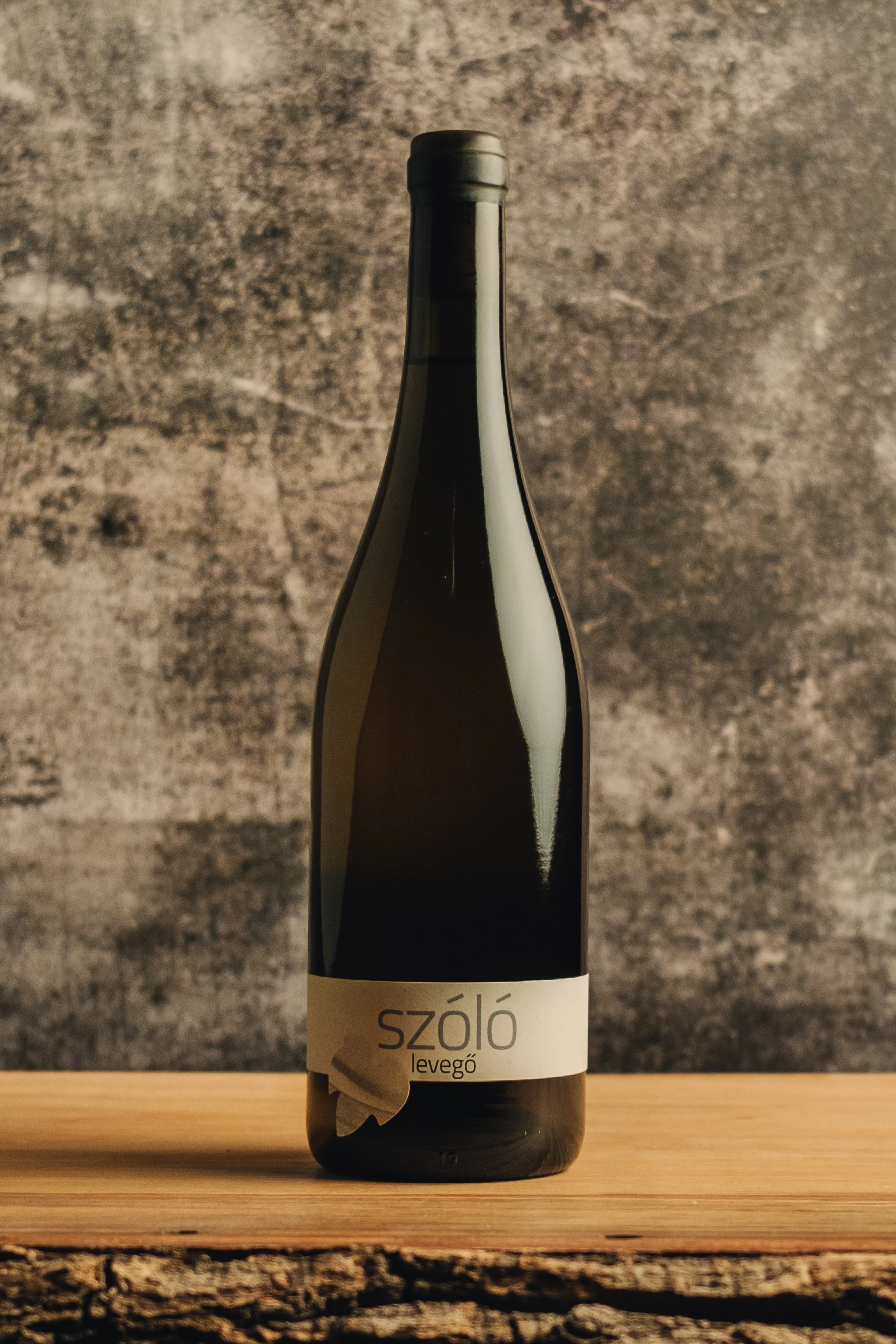
Seductive and invigorating. It hits you with enchanting notes of elderflower, peach mango paired with citrus peel and honey! Pristine, elegantly structured and mineral. Very quaffable.
Winemaker | Tímea Éless
Region | Tállya, Tokaj, Hungary
Variety | Furmint
Single Vineyard | Hetény
Viticulture | Organic since 2017, Demeter since 2021
Soil | Volcanic Loess
Altitude | 280 m
Age of the vines | 5 years (2nd harvest)
Bottles made | 1800 bottles
Interesting Facts
Levegő translates to Air.
From the 2020 vintage Tímea classifies her wines based on the five elements. All of her wines are single vineyard vines and based on the soil type and exposure they result in stylistically very different dinking pleasures.
Vinification
After picking - the bunches are pressed directly with a pneumatic press. Then - 1/2 of the juice is fermented and aged in stainless steal the other half in ceramic eggs on their fine lees. They are bottled after 10 months without fining, filtration or the addition of sulphites.
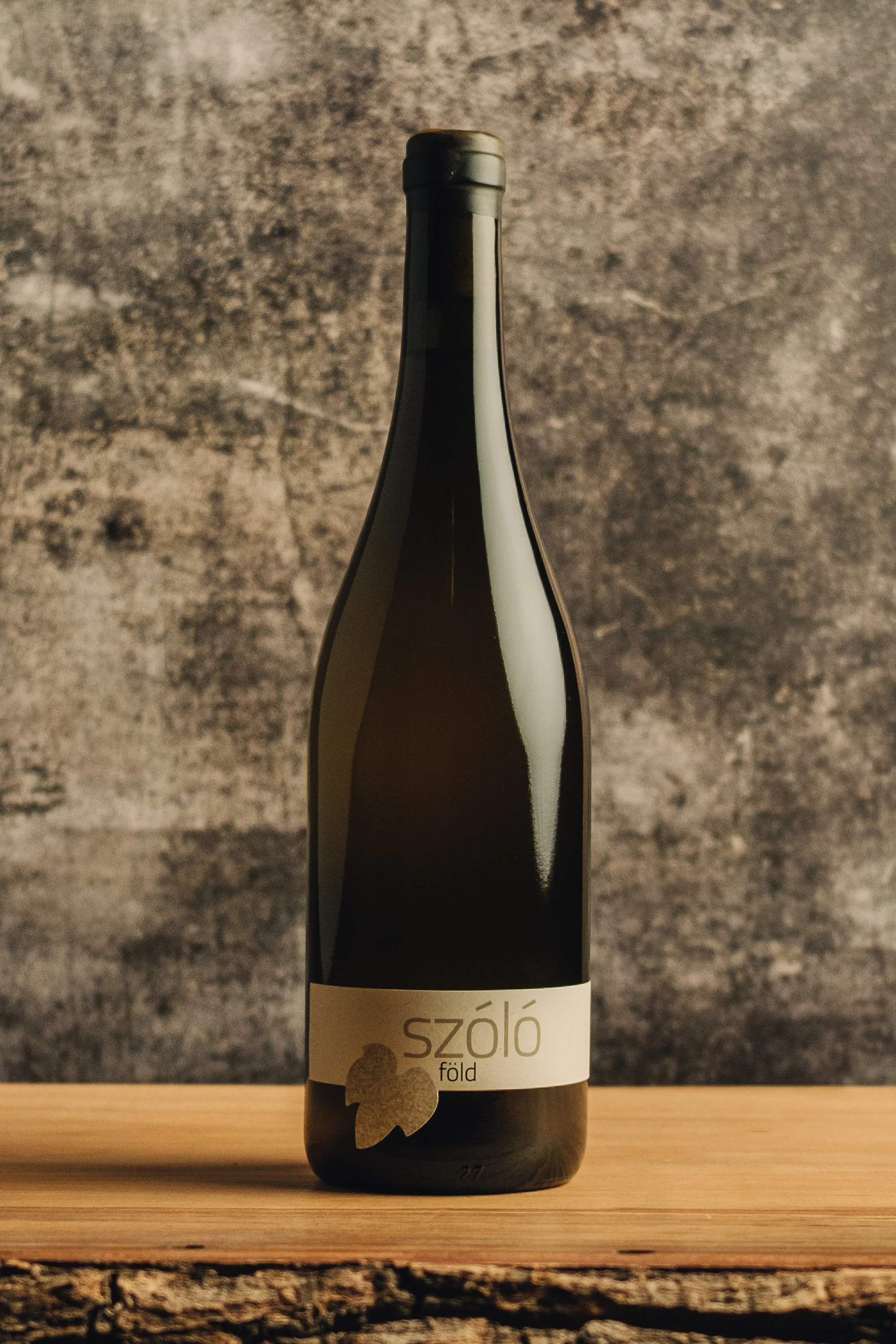
Rooted deeply in soil and stone, this single-vineyard cuvée embodies the raw, grounding force behind Tímea Éless’s “Föld” (Soil) series. The nose is layered and evocative, opening with white-fleshed peach and ripe pear, set against smoky minerality, vet stone, and subtle forest-floor notes. On the palate, the wine is structured yet vibrant, combining a creamy, almost nutty texture with precise, mouthwatering acidity. Roasted nuts, stone fruit, and saline mineral tones unfold slowly, leading to a long, persistent finish that recalls a winter walk through a volcanic valley — cool, quiet, and deeply resonant. A profound, terroir-driven expression that takes Furmint to another level through texture, restraint, and soil expression.
Winemaker | Tímea Éless
Region | Tállya, Tokaj, Hungary
Varieties | 80% Furmint, 20% Hárslevelű
Single Vineyard | Sipos–Palota
Viticulture | Biodynamic (Demeter - Certified)
Soil | Volcanic rhyolite tuff
Altitude | ~280 m
Age of the vines | 60 years
Alcohol | 12.5%
Bottles made | 2422 bottles
Vinification
The grapes were hand-harvested together on 6 September 2022 from the Sipos–Palota vineyard and vinified as a single lot to preserve the natural harmony between Furmint and Hárslevelű. Following gentle direct pressing with a pneumatic press, fermentation took place without added yeast in a 675 L egg-shaped amphora, allowing constant natural circulation of the lees. The wine rested on its fine lees for 5 months, developing texture and depth without the need for bâtonnage.
Bottled on 28 February 2023, unfined, unfiltered, and with no added sulphur, this is a pure, uncompromising expression of volcanic Tokaj — where soil, structure, and energy are placed firmly at the centre of the glass.
Interesting Facts
Föld translates to Soil. Since the 2020 vintage, Tímea Éless has classified her wines according to the five elements, with each bottling sourced from a single vineyard. Differences in soil type, exposure, and vine age result in wines of distinctly different character — Föld being the most grounded, textural, and mineral-driven of the series.
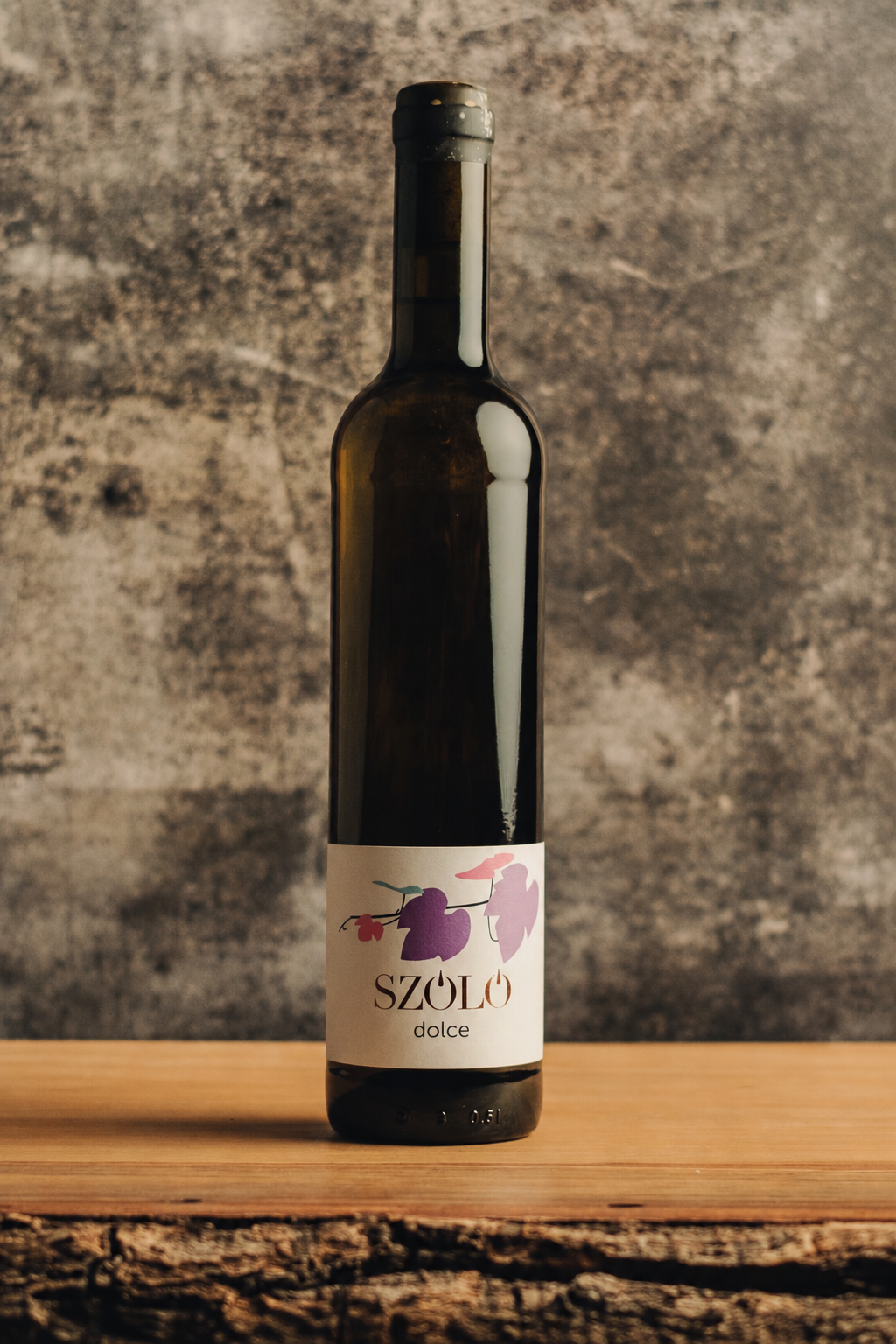
A beautifully balanced sweet Tokaj that invites another sip with every taste. This multi-vintage cuvée combines the depth and nobility of Aszú with the brightness of late-harvest fruit, resulting in a wine that is indulgent yet remarkably light on its feet. The nose is expressive and layered, opening with candied orange peel, peach compote, and baked pear, followed by acacia honey, vanilla, cinnamon, and a touch of saffron. On the palate, lush sweetness is perfectly countered by vibrant natural acidity, giving precision and lift to the wine’s rich core. Apricot, quince, and citrus marmalade unfold over a fine mineral backbone, leading to a long, silky finish marked by gentle botrytis spice and freshness. A modern, elegant expression of sweet Tokaj — generous, harmonious, and dangerously drinkable.
Winemaker | Tímea Éless
Region | Tállya, Tokaj, Hungary
Varieties | Furmint (50%), Kabar (22%), Sárga Muskotály (15%), Hárslevelű (13%)
Viticulture | Biodynamic (Demeter - certified)
Soil | Volcanic rhyolite tuff & loess
Altitude | ~280 m
Age of the vines | 6–80 years
Alcohol | 11.5%
Residual sugar | 136 g/L
Bottles made | 4675 bottles
Vinification
This wine is a multi-vintage blend composed of Aszú wines from 2021 (32%) and 2022 (40%), complemented by late-harvest fruit from 2023 (28%). All grapes were hand-harvested, with the botrytised berries undergoing 5–7 days of skin contact before gentle pressing in a pneumatic press. Fermentation took place primarily in stainless steel, followed by long élevage in a combination of medium-toast 200 L Zemplén (Kalina) oak barrels and stainless steel.
The wine spent between 22 months and 4 years on fine lees, without bâtonnage, allowing complexity to build naturally while preserving clarity and freshness. Bottled in September and December 2025, this Dolce was carefully shaped to balance richness with elegance — a sweet wine defined not by weight, but by harmony, precision, and drinkability.
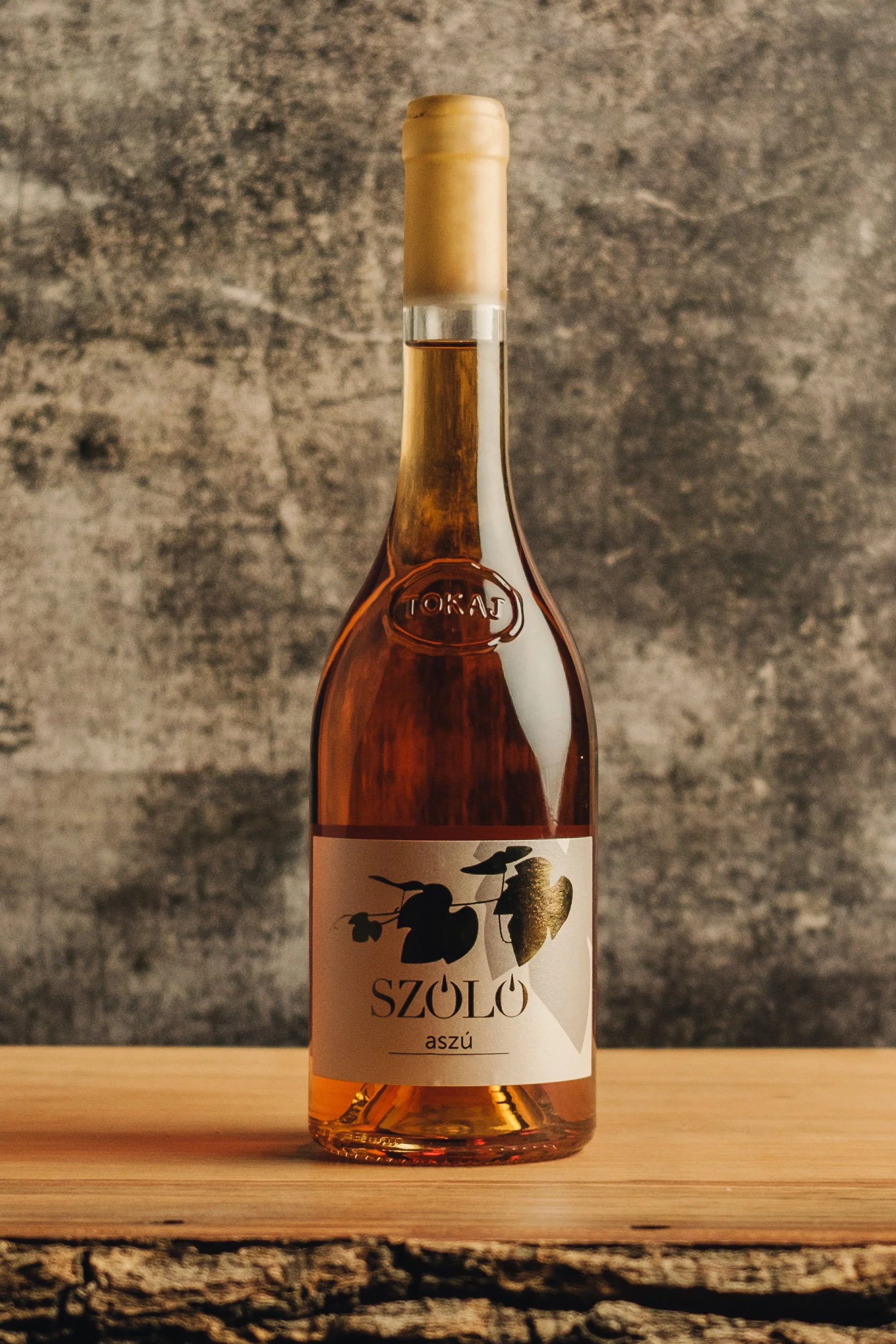
A luminous, deeply expressive Tokaji Aszú that captures both richness and poise. Pale gold in the glass, the nose is intense and layered, unfolding aromas of ripe peach, quince, candied citrus, and acacia honey, interwoven with sweet spice, dried herbs, and subtle tea-leaf nuances. On the palate, the wine is concentrated yet remarkably silky, with flavours of dried apricot, dates, orange peel, raisins, and vanilla carried by soft, rounded acidity. Despite its depth and sweetness, the wine remains elegant and composed, finishing long and lingering with honeyed warmth, gentle spice, and a refined, velvety texture. A classic, beautifully proportioned 6 Puttonyos Tokaji Aszú that speaks clearly of patience, tradition, and terroir.
Winemaker | Tímea Éless
Region | Tállya, Tokaj, Hungary
Variety | 100% Furmint
Viticulture | Biodynamic (Demeter - certified)
Soil | Volcanic rhyolite tuff & andesite
Altitude | ~310 m
Age of the vines | 30–60 years
Alcohol | 10.63%
Residual sugar | 222.6 g/L
Bottles made | 1117 bottles
Vinification
This Aszú was crafted exclusively from 100% botrytised Furmint berries, meticulously hand-harvested one by one during October and early November 2017. Late-harvest Furmint for the Aszú base wine was picked separately on 20 October, 4 November, and 7 November 2017. The collected Aszú berries were then soaked in the base wine for one full week, beginning on 4 December 2017, before being gently pressed on 11 December using a pneumatic press.
Fermentation took place without added yeast, followed by ageing for 18 months in 200 L medium-toast Zemplén oak barrels crafted by Kalina in Tokaj-Hegyalja. After élevage, the wine was transported to Mád for careful finishing, including gentle fining with natural bentonite, filtration, and bottling. Bottled on 25 October 2019, this 6 Puttonyos Aszú shows the hallmark balance of Tokaj: profound sweetness shaped by time, noble rot, and finely tuned acidity.
Szent György Hill

A must for every adventurous Riesling lover, this wine captures both precision and evolution in equal measure. The 2023 vintage, shaped by a warmer growing season and a later harvest, brings a gentler, more open expression compared to previous years — with a rounder acidity profile and a delicate thread of elegant botrytis complexity woven into the fruit.
The nose is vivid and expressive, unfolding with citrus zest and crushed wet stone, layered with subtle smoke and fine herbal tones. There is a quiet depth to the aromatics, where ripeness meets tension in a beautifully balanced way. On the palate, the wine is both lively and supple, with juicy lemon, white peach and ripe orchard fruit carried by a softened, more flowing acidity. Amphora ageing adds texture and gentle breadth, giving shape without weight while preserving clarity and drive.
The finish is long and mineral, marked by a distinct flinty edge that speaks directly of volcanic soils — a pure, nuanced expression of site, season and careful hands in the cellar.
Winemaker | István Bencze
Region | Badacsony, Hungary
Variety | Riesling
Viticulture | Biodynamic (officially certified from 2018)
Soil | Volcanic basalt and tuff with brown forest soil and clay
Altitude | 180 m
Age of the vines | 15 years
Bottles made | 3400 bottles
Vinification
Only perfectly healthy bunches were gently pressed in whole bunches. After pressing, the juice fermented and aged in clay amphoras for 10 month on the fine lees. Bottled unfiened, unfiltered without the additon of So2
2018 was a warm vintage that brought the harvest to the earliest ever 30st of August. The excessive rain caused tropical like conditions that made the plant protection very challenging and naturally halved the entire yield
2019 was a colder year compared to ‘18 that resulted in linear feminin style of wine
2020 was a warmer vintage somewhere in between ‘19 and ‘20 with not a lot of rain. Resulted in thicker skin and lower juice to fruit ratio. What it means in the finished wines is that you will experience deeper and more diverse aroma profiles and rounder acidity.
2021 was cold, wet year with lot disease pressure naturally reducing the yield, resulting in mineral, linear focused wines with great ageing potential.
2023 Was a warm year, with later harvest compared to 2021 and 2022, resulting in a rounder acidity profile and elegant botrytis notes

A powerful, richly layered Chenin Blanc that shows István’s deep affection for the Loire while remaining unmistakably shaped by the volcanic slopes of Szent György-hegy. This 2022 release comes from a later, riper harvest and reflects a style closer to his beloved 2020 vintage — broad, long, and complex, with a subtle oxidative edge that beautifully complements the wine’s intense fruit. The nose opens with ripe citrus oil, baked quince, white peach and almond cream, lifted by hints of lanolin and dried herbs. On the palate, the wine is full and expansive, with impressive length and texture. Notes of yellow apple, bruised pear, mandarin zest, and toasted nuts mingle with a lightly oxidative character, while a touch of volatile lift is already integrating gracefully. Chalky minerality and electric acidity tighten the finish, giving precision to this deep, gastronomic Chenin. A must-try for lovers of the richer, more oxidative Loire expressions.
Winemaker | István Bencze
Region | Badacsony, Hungary
Variety | Chenin Blanc
Viticulture | Biodynamic (certified since 2018)
Soil | Volcanic basalt, sandstone & clay
Altitude | 180 m
Age of the vines | Planted 2014 (10 years)
Bottles made | 1300 bottles
Vinification
The Chenin was harvested in three passes — 5, 8, and 12 September 2022 — from the vineyards surrounding the Vinotéka. After gentle whole-bunch pressing in a Scharfenberger pneumatic press, the must was transferred to a mix of second-fill Chassin and Boutes Soleil Burgundy barrels plus an old, well-seasoned 228 L barrique. Fermentation began strongly, then slowed, continuing under a thin veil of yeast (flor) until October 2023, with occasional topping only at key moments.
Following élevage in these smaller barrels, the lots were blended and moved in August 2023 into a 1500 L Garbelotto oak cask, where the wine rested undisturbed until bottling on 4 September 2024. No fining, no filtration, and no added SO₂ — allowing the wine’s ripe fruit, oxidative hints, and innate volcanic precision to shine with absolute honesty.

The wine opens with elegant and nuanced bouquet of ripe citrus, honeyed apricot, floral elderflower, and subtle smoky notes. Aged in amphora, it boasts a beautifully textured mouthfeel, balancing richness with vibrant acidity, while slight tropical hints of mango and pineapple add complexity. The palate is a refined blend of lemon, peach, and spice, finishing with a long, flinty minerality that perfectly reflects its volcanic origins. Drinks like water, just a “tad” more limited.
Winemaker | István Bencze
Region | Badacsony, Hungary
Variety | Harslevelu
Viticulture | Biodynamic
Soil | Dense volcanic basalt with some tuff, sandstone, brown forest soil and clay
Altitude | 180 m
Age of the vines | 10 years
Bottles made | 900 bottles
Interesting Fact
Most of the harslevelu that Istvan makes he uses in his Autochton blend. This Amphora was so special that he decided to bottle it on its own.
Vinification
In the beginning of September the grapes were harvested in multiple steps to catch the perfect ripeness. After slow, gentle whole-bunch pressing the grapes are transferred to clay amphoras where they ferment and age for 9 months. This wine is the blend of the three best amphoras. Was bottled mid of July unfined, unfiltered and without the addition of SO2

This Kéknyelű is a powerhouse in a bottle. The nose bursts with the freshness of freshly cut daisies, paired with lively lemon sherbet and ripe white peach, offering a zesty, aromatic profile that’s both delicate and bold. Aged in amphora, it delivers an incredible tension on the palate, balancing bright acidity with a flinty mineral backbone that echoes the volcanic terroir. With a full-bodied structure and remarkable longevity, it’s like a hulking force trapped in a tiny bottle, leaving an impression of power, finesse, and potential that lingers long after the last sip.
Winemaker | István Bencze
Region | Badacsony, Hungary
Variety | Kéknyelű
Viticulture | Biodynamic
Soil | Dense volcanic basalt with some tuff, sandstone, brown forest soil and clay
Altitude | 180 m
Age of the vines | 5 years
Bottles made | 1500 bottles
Vinification
In the end of September the grapes were harvested in multiple steps to catch the perfect ripeness. After slow, gentle whole-bunch pressing the grapes are transferred to clay amphoras where they ferment and age for 10 months. This wine is the blend of the three most powerful and electric amphoras. Was bottled mid of July unfined, unfiltered and without the addition of SO2

Bursting with vivid citrus energy and underpinned by a precise, flinty minerality, this is a Furmint that delivers both clarity and intrigue in equal measure. The 2023 vintage brings an added layer of complexity, shaped by subtle noble botrytis influence that weaves through the wine in delicate, expressive tones — adding hints of dried herbs, black tea, and soft honeyed depth without ever losing freshness or definition.
The aromatics are striking yet refined, moving from lime zest, grapefruit peel and ripe peach into more nuanced layers of chamomile, orchard blossom and gentle spice. On the palate, the wine is linear yet textured, with a crystalline core of acidity balanced by a quiet, almost waxy richness from the botrytised fruit. The result is tension and softness in constant interplay.
The finish is long, saline and mineral-driven, with a lingering herbal complexity that keeps unfolding. A deeply captivating expression of Furmint — precise, energetic, and quietly profound, with real ageing potential.
Winemaker | István Bencze
Region | Badacsony, Hungary
Variety | Furmint
Viticulture | Biodynamic
Soil | Dense volcanic basalt with some tuff, sandstone, brown forest soil and clay
Altitude | 180 m
Age of the vines | 10 years
Bottles made | 1200 bottles
Vinification
In the beginning of September the grapes were harvested in multiple steps to catch the perfect ripeness. After slow, gentle whole-bunch pressing the grapes are transferred to clay amphoras where they ferment and age for 24 months. This wine is the blend of the three best amphoras. Was bottled mid of July unfined, unfiltered and without the addition of SO2

A singular expression of old-vine Riesling from Badacsony, shaped by time, patience and the quiet influence of flor. Aromatically, it opens with layers of white peach, nectarine and citrus blossom, unfolding into jasmine, dried herbs and a fine volcanic minerality. What sets this vintage apart is its extraordinary élevage: 4.5 years in amphora under flor, building remarkable depth, texture and savoury complexity while preserving tension and precision. The palate is creamy yet electric, driven by a piercing acidity and a long, saline finish. Powerful, contemplative and deeply original, this is Riesling pushed into a completely different dimension.
Winemaker | István Bencze
Region | Badacsony, Hungary
Variety | Riesling
Viticulture | Biodynamic
Soil | Dense volcanic basalt with some tuff, sandstone, brown forest soil and clay
Altitude | 180 m
Age of the vines | planted in 1972
Bottles made | 1200 bottles
Vinification
Hand-harvested during the Aries phase of the lunar cycle in September, the grapes undergo a slow and gentle whole-bunch press before being transferred to amphora. Fermentation and maturation take place over 4.5 years under a veil of flor, a rare élevage that adds savoury complexity, texture and oxidative nuance while preserving freshness and structure. The wine is bottled unfined, unfiltered and without the addition of SO₂, capturing a pure and uncompromising expression of both terroir and time.

Fresh and fruit-driven, this young Kékfrankos opens with bright notes of raspberry, damson, and wild herbs, lifted by a touch of black pepper. The palate is light, juicy, and effortlessly drinkable, carried by a vibrant acidity that gives the wine its signature energy. There’s a purity and delicacy here that is unmistakably István — a gentle hand guiding a vivid expression of Badacsony’s volcanic soils. A joyful, elegant red that remains wonderfully approachable while hinting at the potential of this young vineyard.
Winemaker | István Bencze
Region | Badacsony, Hungary
Variety | Kekfrankos (Blaufrankisch)
Viticulture | Biodynamic
Soil | Volcanic Basalt and Clay
Altitude | 130 m
Age of the vines | 5 years
Bottles made | 3000 bottles
Vinification
This wine comes from the second harvest of a young 2017 plantation, composed of three Kékfrankos clones: the Austrian A4, the Ruszt-based Triebaumer selection, and a clone selected by the Szentesi–Losonci partnership. After a mid-September harvest, the grapes were hand-destemmed and fermented on the skins for eight days with extremely gentle extraction before being pressed in a pneumatic press. The wine was aged in two third-fill 228 L French barrels for 10 months, then bottled directly without fining, filtration, or the addition of SO₂.

A true masterpiece, perfect balance between layered red berried fruit and deep herbaceous notes. Each sip is like a mesmerising dream into a forest led by vibrant curiosity. Impossible not to reach for a second glass or bottle…
Winemaker | István Bencze
Region | Badacsony, Hungary
Variety | Pinot Noir
Viticulture | Biodynamic (officially certified from 2018)
Soil | Volcanic Basalt and Clay
Altitude | 180 m
Age of the vines | 21 years
Bottles made | 3000 bottles
Vinification
The grapes for this cuvée have been carefully selected from the upper parts of the vineyard. Only the best bunches were used that were crushed as a whole by feet straight away. During the fermented in open vats for 10 days the cap was gently punched down by hand and feet twice a day for a moderate extraction. Transferred by gravity to a 2500L oak barrel where it stays on the lees for 10 month. Bottled unfined, unfiltered without the addition of SO2.
Mátra

A full-bodied red, packed with blackcurrant and red berries paired with Christmas spices a hint of pencil shaving, black pepper and forest floor. Super concentrated and rich on the palate with round tannins, great depth and a very long finish.
Winemaker | Balázs Palya
Region | Mátra
Vintage | 2020
Variety | Blaufrankisch
Viticulture | Biodynamic practices
Soil | volcanic
Altitude | 200m
Age of the vines | 30
Bottles made | 900
Vinification
The grapes were hand de-stemmed and fermented in open vat fermenter for 10 days with very gentle punch down. The juice ages in Hungarian oak barrel and fibreglass for 10 months before it is bottled without fining, filtration or the addition of sulphites.
2021 was a very warm and dry year resulting wines with more colour depth and crunchy fruit.
Mohács

“Kert” aka Garden - Gèza’s field blend a super drinkable yet complex red wine with a southern vibe. Packed with fresh red and black berries, a hint of pepper paired with earthy notes.
Winemaker | Géza Galán
Region | Pécs - Mohács
Vintage | 2020
Variety | Blaufrankisch, Cabernet Sauvignon, Merlot, Kadarka
Viticulture | Biodynamic
Soil | loess, clay
Altitude | 80 -200m
Age of the vines | 30
Bottles made | 2780
Vinification
60% Blaufrankisch whole-bunch fermented for 10 days complimented by hand de-stemmed Cabernet and Merlot and a pinch of direct pressed Kadarka and Hárslevelu. The juice ageas in large oak barrels and fibreglass for 8 months before it is bottled without fining, filtration or the addition of sulphites.
2021 was a very warm and dry year resulting wines with more colour depth and crunchy fruit.

Kadarka is probably the second most famous grape variety when it comes to indigenous Hungarian reds. In Géza’s hands it results in an elegant, delicate wine with great finesse. A complex mix of red berried fruit, forest floor, black pepper and meaty savoury flavours paired with warm spices. Round tannins and long finish.
Winemaker | Géza Galán
Region | Mohács
Vintage | 2021
Variety | Kadarka
Viticulture | Biodynamic
Soil | Loess, clay
Altitude | 80 -200m
Age of the vines | 30
Bottles made | 1955
Vinification
A mix of de-stemmed, whole clustered and direct pressed for juice ferments together with gentle extraction for 10 days. After pressing the wine ages in oak and fibre glass tanks for 11 months. Bottled unfined and unfiltered with zero additions.

One of the most elegant and Blaufrankisch we’ve every came across. Packed with red current, sour cherry paired with white pepper and forest floor. Multilayered, deep keeps on giving. Elegant and smooth tannins. Ready to drink now but will develop beautifully
Winemaker | Géza Galán
Region | Pécs - Mohács
Vintage | 2020
Variety | Blaufrankisch
Viticulture | Biodynamic
Soil | loess, clay
Altitude | 80 -200m
Age of the vines | 30
Bottles made | 400
Vinification
The crop is from a biodynamic parcel planted in the ‘90s in Bátaszék. Half is slowly direct pressed. The other half is hand de-stemmed and soaked in the juice, so the fermentation starts inside the intact berries as well (semi-carbonic). After 9 days of skin contact, it is pressed again, and then it is aged in a 500L used Hungarian oak barrel. Bottled unfiltered, unfined and without the addition of sulfur.
Serbia
Szerémség
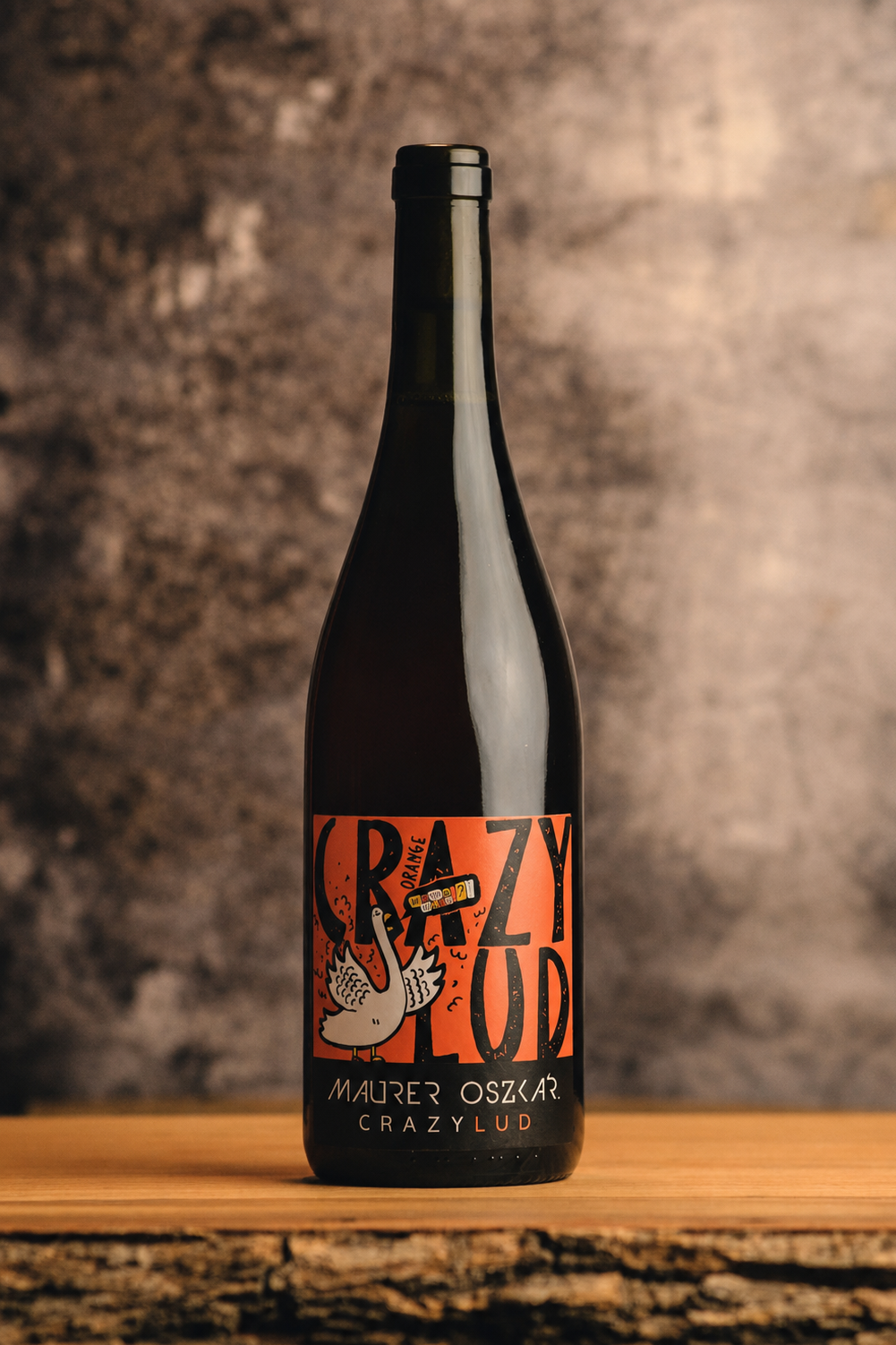
A wonderfully expressive orange wine that combines generosity with remarkable finesse. Aromas of orange peel, quince paste and blossom honey lead into layers of black tea, citrus marmalade and dried herbs. The palate is textured and savoury yet beautifully energetic, with gentle tannins, vibrant acidity and an effortless drinkability that belies its depth. Complex, characterful and astonishing value, this is a wine that comfortably punches well above its weight.
Winemaker | Oszkár Maurer
Region | Subotica, Serbia
Variety | Welschriesling, Bakator, Ezerjó, Slankamenka
Viticulture | Organic
Soil | Sand, Alluvial limestone, Clay
Altitude | 50 - 150 m
Age of the vines | 20- 113 years
Bottles made | 8000 bottles
Interesting Facts
Crazy Lud (named after the Hungarian folk tale character Lúdas Matyi, or "Goose Boy") is Oszkár's flagship field blend and perhaps the best introduction to his distinctive style of winemaking. The wine takes its name from the lake that borders the vineyards in northern Serbia, where many of the ancient, bush-trained vines are still worked by horse because the rows are too narrow for tractors. These old mixed vineyards are a living reminder of how the region was farmed generations ago.
Clay Instead of Wax
Oszkár's fascination with forgotten traditions extends even to the bottle. Rather than using plastic capsules, foil or artificial wax, each bottle is sealed with a layer of natural clay sourced from the vineyard. It's a small but fitting expression of his philosophy—bringing the vineyard right through to the finished bottle.
Opening it is straightforward: insert the corkscrew through the clay, pull the cork halfway, brush away any loose clay, then remove the cork completely and enjoy.
Vinification
The different varieties are harvested together from old field-blend vineyards before being destemmed and macerated on their skins for 7–10 days, building both texture and aromatic complexity. After pressing, fermentation takes place with indigenous yeasts before the wine matures for around 8–10 months in a combination of large old oak barrels and stainless steel tanks, preserving freshness while adding subtle complexity. The wine is bottled without fining or filtration and receives only a minimal addition of sulphur before release.

The wine opens with a flinty - wet stoney reduction - resonating the tension of the volcanic terroir. As it opens ripe peach, mango chutney and herbal mint notes float to the foreground. Offers multilayered concentration, a creamy texture long finish and a great depth on the palate with a masterful balance. To enjoy now or cellar for eternity
Winemaker | Oszkár Maurer
Region | Szerèmsèg - Fruska Gora, Serbia
Single Vineyard | Nagy - Krisztus
Variety | Szerémi Zöld, Bakator, Mézes Fehér , Riesling
Viticulture | Organic certified
Soil | Volcanic beadrock, Alluvial limestone, Clay
Altitude | 200 - 350 m
Age of the vines | 30 years
Bottles made | 1500 bottles
Interesting facts
Nagy-Krisztus is one of the greatest sites on the 500 million-year-old Volcanic Fruska Gora in the heart of Serbia. Nagy - (translates to Grand) denotes a classification system that nowadays resembles Burgundy or Bordeaux. Interesting to note that old maps predating the French appellation systems already mention these names.
Vinification
The grapes are de-stemmed and macerated on the skins for 3 days. After pressing the juice ferments and ages in Amphoras for 12 months on the fine lees. It is bottled by gravity without fining filtration or the addition of sulphur.

Complex and opulent nose of dried apricot, and juicy mango paired with cardamon, clove, bergamot and earl grey; could easily go on indulging … :)
Round tannins on the palate with a juicy sip, long and vibrant finish, a real treat of an orange wine. Perfect for any occasion and will please anyone.
Winemaker | Oszkár Maurer
Region, Country | Subotica, Serbia
Style | Orange
Variety | Welschriesling
Viticulture | Organic
Soil | Sand, Alluvial limestone, Clay
Altitude | 150 m
Age of the vines | 54 years
Bottles made | 1500 bottles
Interesting facts
Oszkár LOVES - one could even say obsessed with - ancient varieties, winemaking methods and history. In this instance, he found a script detailing a vinification method, where the barrel is sealed with wax and not opened (to check and taste the wine) for one year.
Well, it worked. If nature is your guide then time is the key.
Vinification
The grapes come from a single vineyard that was planted in 1969 with a tiny berried clone of Welschriesling.
After harvest in late October, the grapes are de-stemmed and fermented on the skins for 7 days in open vats. The juice then goes into a 1340L - large oak barrel that gets sealed with wax and left to rest for one year.
Bottled by gravity, unfined, unfiltered without the addition of sulphur.
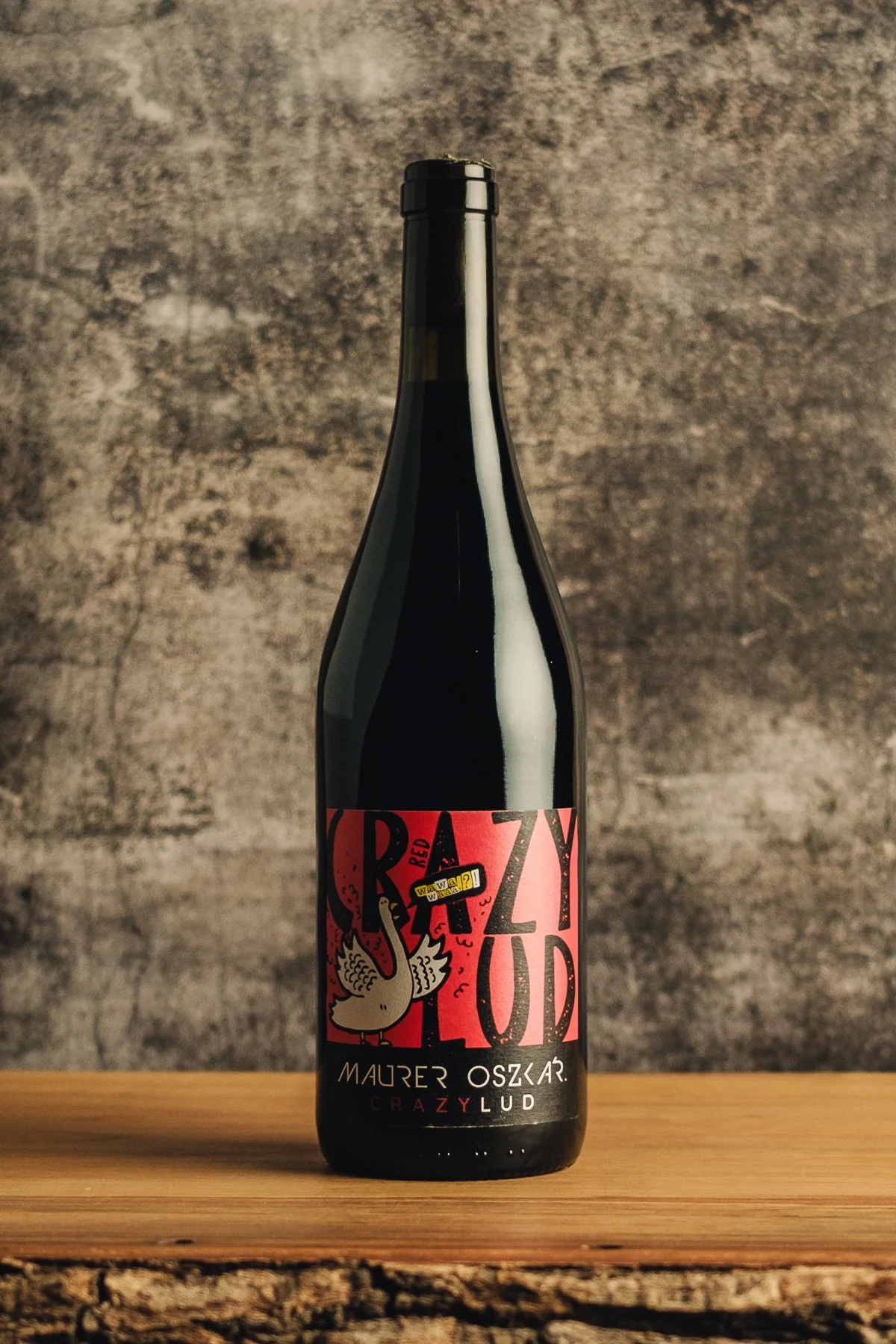
A lively, sun-soaked field blend from Oszkár Maurer that captures the wild energy of the Szerémség hills. The Crazy Lud red opens with bold red berries — black current, cherry —layered with notes of dried herbs, and a whisper of smoke. Medium-bodied and supple, it glides across the palate with silky tannins and a refreshing lift, finishing with a touch of earthy spice that invites another sip. Aged in old Hungarian oak, it marries fruit purity with a gentle rustic edge—unfiltered, unfined, and full of character. The perfect companion for grilled food, sunshine, and good company.
Winemaker | Oszkár Maurer
Region | Szerèmsèg, Serbia
Variety | Blaufrankisch, Prokupac, Cabernet Sauvignon, Kadarka
Viticulture | Organic
Soil | Sand, Alluvial limestone, Clay
Altitude | 50 - 350 m
Age of the vines | 35 years
Bottles made | 7000 bottles
Interesting Facts
Crazy Lud (translates to Goose from Hungarian) is the flagship field blend that serves as an entry into Oszkár’s world. The wine gets its name from the lake next to the vineyards in the Northern part of the country.
A lot of the vineyards in this region are bush-trained and cultivated by horses because no tractor can fit the narrow rows.
Clay instead of wax or foil
Oszkár’s obsession with ancient techniques combined with his rebellious attitude drove him to yet another invention - instead of plastic caps, or artificial waxes, he used clay to seal the top of the bottle. Probably the closest we ever get to the terroir from the comfort of our home.
The opening is as easy as a firm wax - drive the cross crew trough, pull the cork halfway, gently blow/wipe the clay that comes off, pull the cork and enjoy the wine
Vinification
The grapes are grown on old bush-wines resulting in a very low yield. They are hand harvested and de-stemmed soaked for 7 days to extract just the right amount of colour. Later, the juice ferments and ages in 350l old Hungarian oak barrels. The wine gets bottled unfined, unfiltered with a tiny addition of sulphur just before bottling.

The nose opens with elegant and mesmerising notes of ripe sour cherry, rose hip and rhubarb jam paired with delicate violet and freshly ground pepper. The sip is intense, with a long lingering finish and vibrant acidity. Once experienced, there is no escape like a Siren’s song.
Winemaker | Oszkár Maurer
Region | Szerèmsèg - Fruska Gora, Serbia
Variety | Kadarka
Viticulture | Organic certified
Soil | Volcanic bedrock, Alluvial limestone, Clay
Altitude | 150 - 350 m
Age of the vines | 30 years
Bottles made | 900 bottles
Interesting Facts
The crops come from a single vineyard site that was very densely planted with a massal-selection from Oszkar’s oldest Kadarka plantation. The vineyard is surrounded by a forest facing the Danube providing a unique microclimate and the perfect location for organic viticulture.
Vinification
The grapes are grown on bush-wines resulting in a very low yield of 0.3 kg/vines. They are hand-harvested and de-stemmed. Later, the juice ferments and ages in 350l old Hungarian oak barrels for 12 months. The wine gets bottled unfined, unfiltered without the addition of sulphur.
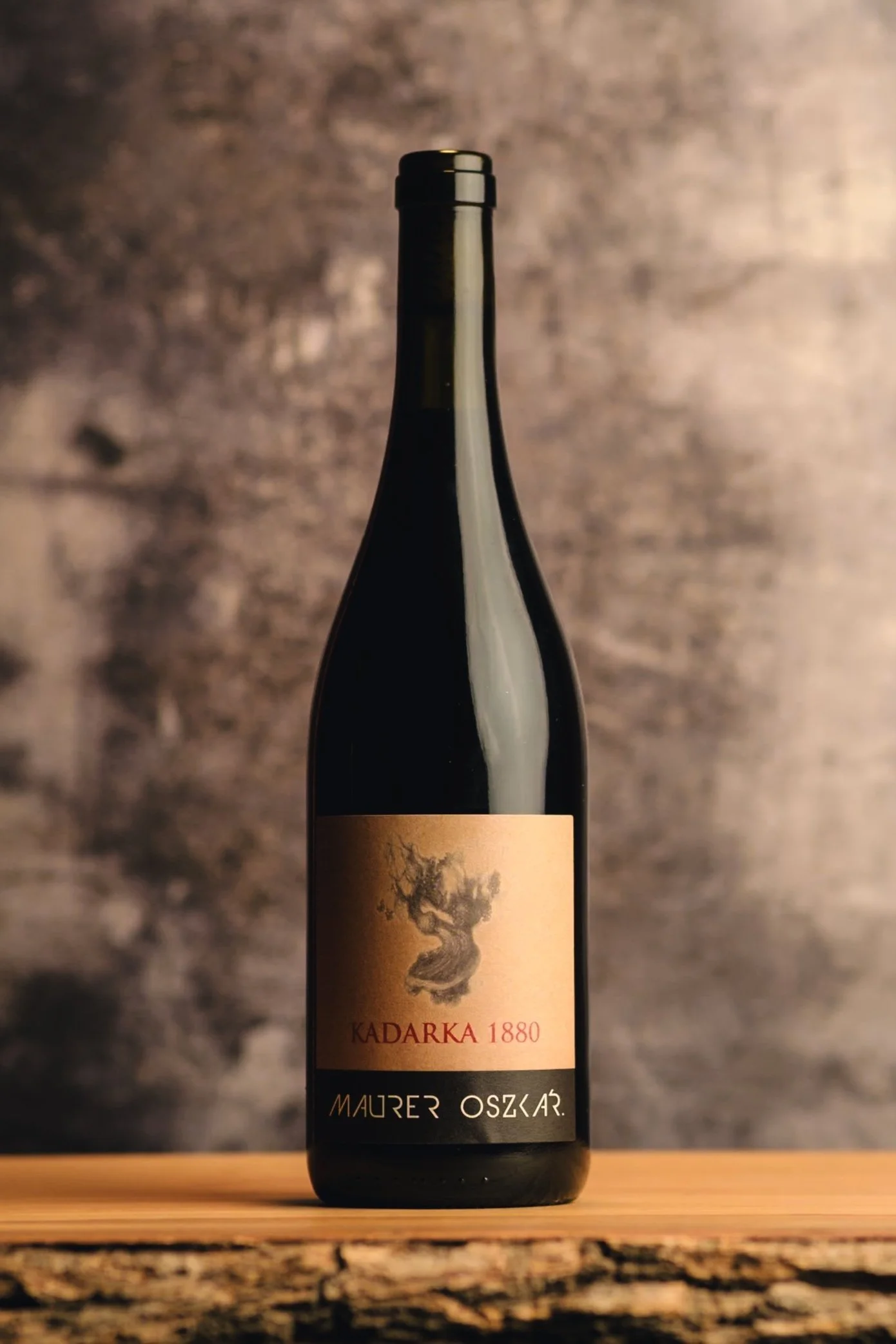
This is not simply great Kadarka—it is one of the world's great heritage wines. Ethereal yet profoundly deep, it opens with soaring aromas of rosehip, wild strawberry, sour cherry and crushed raspberry, laced with dried violet, blood orange, sweet spice and the haunting perfume of ancient vines. The palate is effortlessly weightless but astonishingly persistent, delivering remarkable purity, silky tannins and a mineral energy that seems to flow endlessly. Every detail speaks of its remarkable origin: impossibly old vines rooted in sand, yielding a wine of extraordinary finesse, complexity and longevity.
Once experienced, there is no escape—it lingers in the memory like a Siren's song.
Winemaker | Oszkár Maurer
Region | Subotica, Serbia
Variety | Kadarka
Viticulture | Organic certified
Soil | Sand, Alluvial limestone, Clay
Altitude | 50 - 100 m
Age of the vines | 146 years
Bottles made | 900 bottles
Interesting Facts
The clue is in the name. The vines producing this extraordinary wine were planted in 1880, making this the oldest known Kadarka vineyard on the planet. These are own-rooted, pre-phylloxera Vitis vinifera, preserved thanks to the region's deep sandy soils, which protected them from the devastation that wiped out much of Europe's vineyards in the late nineteenth century.
Today, these ancient bush vines produce tiny yields of intensely concentrated fruit, offering an increasingly rare glimpse into what Kadarka tasted like before phylloxera forever changed European viticulture. This is not only Oszkár Maurer's flagship wine, but one of the most historically significant wines still being made anywhere in the world.
Clay Instead of Wax
Oszkár's fascination with forgotten traditions extends even to the bottle. Rather than using plastic capsules, foil or artificial wax, each bottle is sealed with a layer of natural clay sourced from the vineyard itself—a fitting expression of his philosophy of letting the land speak through every detail.
Opening it is simple: drive the corkscrew through the clay, pull the cork halfway, brush away any loose clay, then remove the cork completely and enjoy.
Vinification
The fruit is harvested entirely by hand before being destemmed and naturally fermented in open-top vats with indigenous yeasts. Around two weeks of gentle maceration extracts the wine's remarkable aromatic complexity and fine tannin structure without sacrificing its trademark elegance. After pressing, the wine matures for twelve months on its fine lees in old Burgundy barrels, allowing texture and depth to develop while preserving the purity of the fruit. Bottled by gravity without fining or filtration and with only a minimal addition of sulphur, it is a transparent expression of one of the world's oldest living vineyards.
Slovakia
STREKOV

Party in your mouth! Lot’s and lot’s of apples, sea buckthorn and yellow blossom finished with striking acidity.
*label is different*
Winemaker | Zsolt Sütö
Region | Strekov, Slovakia
Viticulture | Organic
Bottles made | 1000 bottles
Brewing
Mashed and brewed from 50-50% malted barley and wheat. The wort (the liquid extracted from the mashing process) is spontaneously fermented in 500l Zemplén oak barrels. The beer was bottled unfined, unfiltered.

Stunning elegance, well refined fruit and masterfully integrated oak. An outstanding example of the variety that well overdelivers its weight and will put a smile on all Burgundy fan’s faces.
Winemaker | Zsolt Sütö
Vine grower | Peter Sröner
Region | Strekov, Slovakia
Variety | Chardonnay
Viticulture | Biodinamic
Altitude | 150 m
Soil | Clay-loam, above limestone and marine sediment veins
Age of the vines | 10 years
Bottles made | 1200 bottles
Vinification
The bunches were direct pressed, the juice then spontaneously fermented in new 600l Zemplén oak barrels. Aged on fine lees for 8 months. The wine was bottled unfined, unfiltered with no addition of SO2.

Party in your mouth! Lot’s and lot’s of green apples, counteracted with a light creaminess and an engaging hazelnut hint. Hydrates better than water ;)
Winemaker | Zsolt Sütö
Region | Strekov, Slovakia
Variety | Welschriesling
Viticulture | Organic
Altitude | 150 m
Soil | Clay-loam, above limestone and marine sediment veins
Age of the vines | 10 years
Bottles made | 1200 bottles
Vinification
After the bunches were de-stemmed and pressed, the juice was spontaneously fermented in 300l Zemplén oak barrels. It also aged on the lees for 8 months. The wine was bottled unfined, unfiltered with no addition of SO2.

This Grüner Veltliner offers a twist on the familiar, with a slightly nutty and oxidative character that adds depth and intrigue. Bright citrus notes and a hint of white pepper bring a refreshing spiciness, while ripe pears lend a subtle roundness to the palate. It's a unique take on the variety, balancing complexity and freshness in a way that feels both distinctive and approachable.
Winemaker | Zsolt Sütö
Region | Strekov, Slovakia
Variety | Grüner Veltliner
Viticulture | Organic
Altitude | 150 m
Soil | Clay-loam, above limestone and marine sediment veins
Age of the vines | 10 years
Bottles made | 1200 bottles
Vinification
After the bunches were de-stemmed and pressed, the juice was spontaneously fermenting in 300l Zemplén oak barrels. For the next 6 - 8 months the wine was ageing under flor without the barrels being topped up. It was bottled unfined, unfiltered with no addition of SO2.

Nigori translates into cloudy! Delicious cloudiness for a moment to share with friends.
Winemaker | Zsolt Sütö
Region | Strekov, Slovakia
Variety | Welschriesling
Viticulture | Organic
Soil | Clay-loam, above limestone and marine sediment veins
Altitude | 150 m
Age of the vines | 10 years
Bottles made | 1200 bottles
Vinification
After the bunches were de-stemmed and pressed, the juice was transferred to 300l ,partly new, Zemplén oak barrels, where it aged on the lees for 2 years. Has been bottled unfiltered, with fine lees, without the addition of SO2.

Zsolti’s signature orange wine, the name refers to the reminiscence of an afternoon spent on your grandparent's veranda where time stops and all you do is enjoy the moment. Aromatic floral notes paired with dried apricot and a sherry-like edge in a perfect balance.
Winemaker | Zsolt Sütö
Region | Strekov, Slovakia
Variety | Welshriesling, Devin, Aurelius
Style | Orange
Viticulture | Organic
Soil | Clay-loam, above limestone and marine sediment veins
Altitude | 150 m
Age of the vines | 10 years
Bottles made | 800 bottles
Vinification
A masterful wine from 3 different grape varieties, processed in various ways and aged in a solera-like system dating back to 2019. Welschriesling 2 weeks on the skins, Devin and Aurelius slightly botrytised berries aged under flor after pressing. Has been bottled unfined, unfiltered without the addition of SO2.

Fred is the ideal choice for those seeking a smooth, medium to full-bodied red. Bursting with flavours of blackcurrant, cranberry, black cherries, and bramble, it strikes a delightful balance between juicy and refreshing. Whether you're unwinding after a long day's work or curling up beside the fire, this wine is the perfect companion for a well-earned moment of relaxation.
Winemaker | Zsolt Sütö
Region | Strekov, Slovakia
Variety | 1/3 Blauer Portugieser 2023, 1/3 Alibernet 2022, 1/3 Dunaj 2023
Viticulture | Organic
Altitude | 150 m
Soil | Clay-loam, above limestone and marine sediment veins
Age of the vines | 20 years
Bottles made | 7000 bottles
Vinification
Half of the Portugieser has been foot-crushed, the rest de-stemmed. The juice was fermented spontaneously for 2 weeks in open vats. The Alibernet and the Dunaj have been aged in 300 - 500l Zemplén oak barrels, while The Portugieser stayed in a 2500L Austrian oak for 6 months. Bottled in April unfined and unfiltered without the addition of SO2.

Light and smooth tannins with incredibly deep notes of pine forest and dark berries. Intense and gentle at the same time. One for the gamey meals!
Winemaker | Zsolt Sütö
Region | Strekov, Slovakia
Variety | Blaufränkisch
Viticulture | Organic
Soil | Clay-loam, above limestone and marine sediment veins
Altitude | 150 m
Age of the vines | 10 years
Bottles made | 1200 bottles
Vinification
After the bunches were de-stemmed and pressed, the juice was fermenting spontaneously in open wooden vats for over 2 weeks. Then, the wine was transferred to 500l Zemplén oak barrels, where it aged on the lees for 6-8 months. Has been bottled unfined, unfiltered without the addition of SO2. Unfortunately due to heavy rainfall half of the harvest had to be discarded, which resulted in wines with more concentration.
Garam Valley
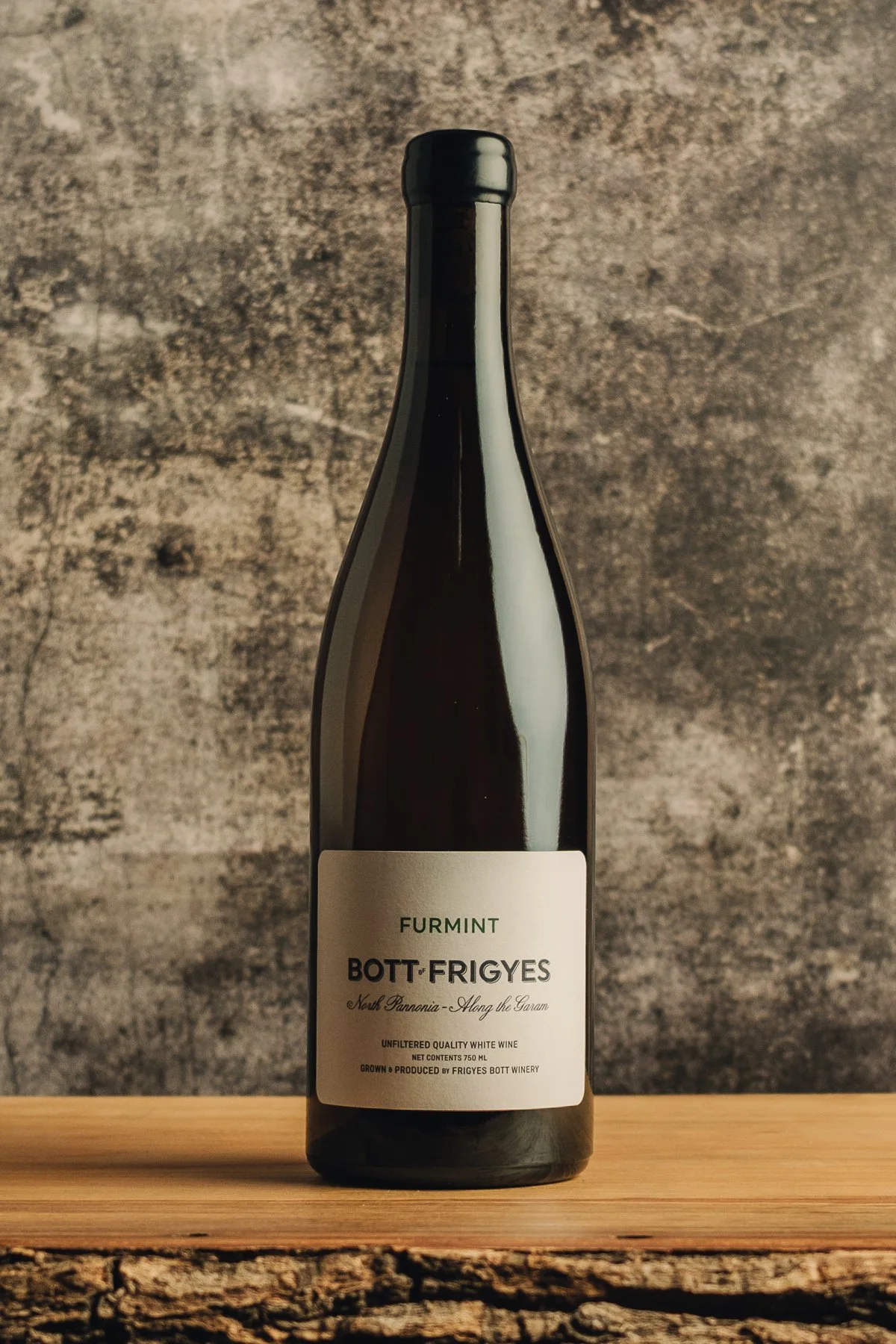
Precise, vibrant and finely etched, this Furmint captures both purity and quiet intensity. The nose opens with zesty citrus peel, green apple and subtle white blossom, layered over a distinct flinty, volcanic minerality. The palate is taut and energetic, driven by bright, mouthwatering acidity that gives the wine its line and tension. Beneath the freshness lies a gentle depth and textural finesse from lees ageing, resulting in a beautifully balanced, linear expression that is both refined and deeply invigorating.
Winemaker | Frigyes Bott
Region | Garam Valley, Slovakia
Variety | Furmint
Style | White
Viticulture | Organic with biodynamic practices
Soil | Volcanic Andesite with a mix of chalk and clay
Altitude | 250 m
Age of the vines | 10 years
Bottles made | 1500 bottles
Vinification
Following hand harvest, the grapes are gently whole-bunch pressed using a vertical basket press to preserve delicacy and precision. The juice is then transferred by gravity into a selection of Zemplén oak barrels (225L, 300L and 400L), where it undergoes spontaneous fermentation. The wine remains on its fine lees for eight months, building subtle texture and complexity while retaining its crystalline freshness. The vintage, marked by warmth and well-distributed rainfall, delivered exceptionally healthy fruit and resulted in a Furmint of notable concentration, balance and elegance—widely considered one of the finest vintages of the past decade for the Bott family.
Generous stone fruit paired with elegant floral notes backed with flinty minerality. Serious depth, charming elegance and nuanced finish all in one bottle.
Winemaker | Frigyes Bott
Region | Garam Valley, Slovakia
Variety | Furmint - Faricka vineyard
Viticulture | Organic with biodynamic practices
Soil | Volcanic Andesite with a mix of chalk and clay
Altitude | 250 m
Age of the vines | 10 years
Bottles made | 600 bottles
Vinification
After hand harvest the bunches are pressed as whole in a vertical basket press. Then, the juice is transferred by gravity to various sizes (225l, 300l and 400l) of Zemplén oak barrels. This is where it ferments spontaneously and ages on the lees for 8 months.
2020 was a warm year with sufficient amount of rain. It brought out really healthy crop, which resulted in wines with great concentration and elegance. One of the best vintages of the last decade for the Bott family.
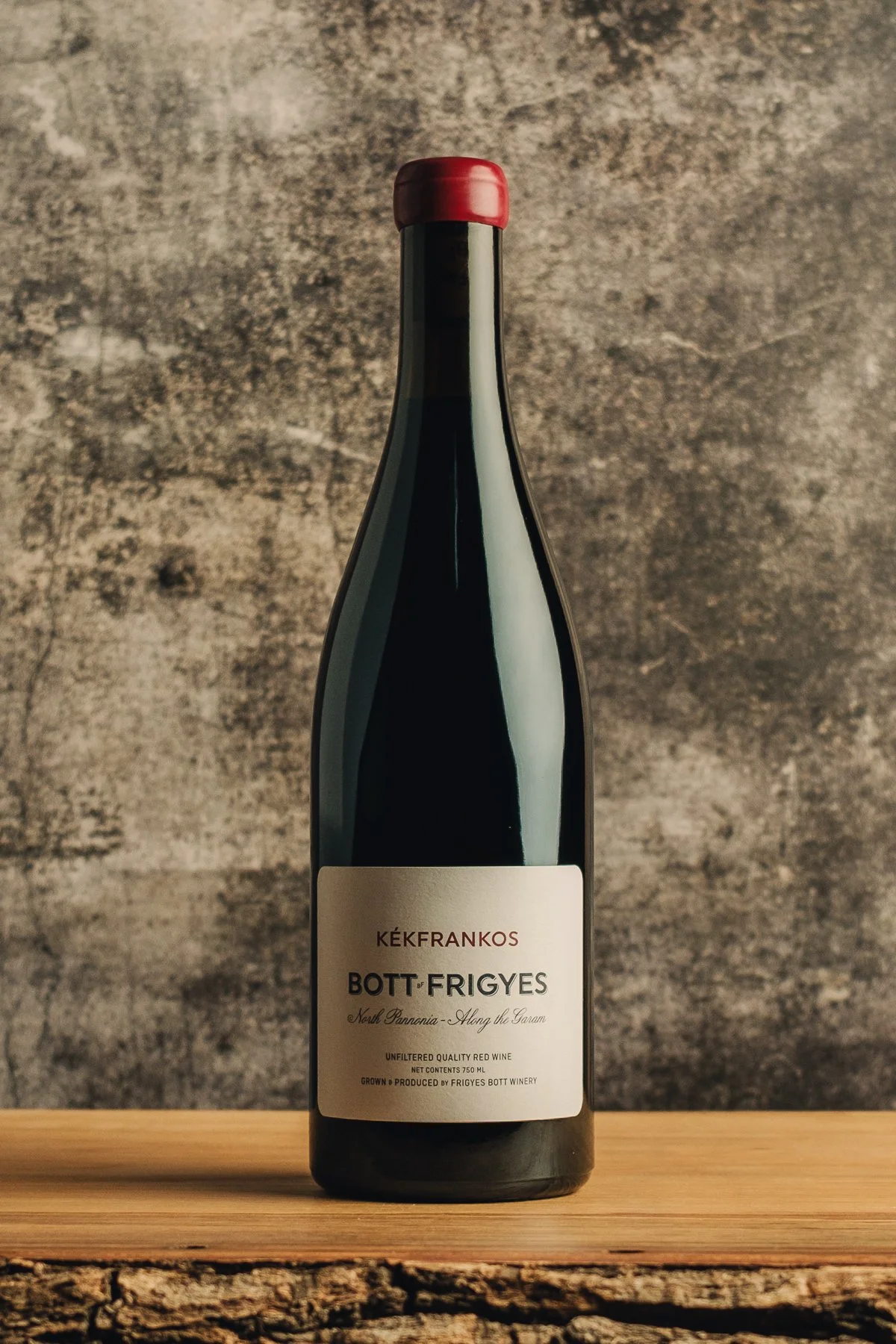
Elegant yet deeply expressive, this Blaufränkisch evokes the feeling of a winter walk through a quiet forest. Aromas of fresh blackberries and wild bramble intertwine with warming wood spice, crushed herbs and a subtle hint of pine. The palate is supple and beautifully balanced, with fine, rounded tannins and vibrant acidity creating a seamless, flowing texture. Juicy red and dark fruit meet a gentle savoury edge, resulting in a wine that is both energetic and composed, with a long, precise and satisfying finish
Winemaker | Frigyes Bott
Region | Garam Valley, Slovakia
Variety | Kékfrankos - Blaufrankisch
Viticulture | Organic with biodynamic practices
Soil | Volcanic Andesite with a mix of chalk and clay
Altitude | 250 m
Age of the vines | 10 years
Bottles made | 3300 bottles
Vinification
The grapes are hand-harvested and carefully sorted, with a portion gently destemmed while the rest is kept whole bunch. Fermentation is carried out using a layered “hamburger” technique—whole berries at the top and bottom of the vessel, with whole clusters in the centre—encouraging a gentle semi-carbonic maceration. This approach enhances fruit purity and finesse while softening Blaufränkisch’s natural structure. After around two weeks of fermentation, the wine is pressed in a basket press and transferred into 500-litre Zemplén oak barrels, where it matures on its lees for 8–10 months. Bottled unfined, unfiltered and with a small addition of SO₂, it is a pure and vibrant expression of site and variety.

Dark Blackberries and cherries with sweet depth, charming wood spice, paired with vanilla and pine needles on the nose with a fantastic acidity and complexity on the palate!
Winemaker | Frigyes Bott
Region | Garam Valley, Slovakia
Variety | Kékfrankos - Blaufrankisch
Viticulture | Organic with biodynamic practices
Soil | Volcanic Andesite with a mix of chalk and clay
Altitude | 250 m
Age of the vines | 10 years
Bottles made | 600 bottles
Vinification
At harvest the bunches are hand picked and sorted, half of them are gently de-stemmed. These whole berries going to fill the bottom and the top of the fermentation vessel. In the middle Frigyes puts some whole bunches just like a “Hamburger”. With this “semi-carbonic” method he is able to extract the delicacy of the fruit and soften the sometimes firm tannins of Blaufrankisch. After about 2 weeks of fermentation, it is pressed in a basket press and the juice is transferred to 500l Zemplén oak barrels. This is where it ages on the lees for 8 - 10 months. Bottled unfiend, unfiltered with a pinch of So2 before bottling.
Germany
Nahe

Piri's Pet-Nat floats in with all the charm of a garden picnic—juicy pear, ripe peach and a squeeze of lemon zest, wrapped in soft floral lift. The bubbles are fine and creamy, giving it a gentle sparkle that dances on the tongue without rushing. There's a lovely roundness to the palate, with just enough zing to keep things bright and breezy. Unfiltered and undisturbed, it's a joyfully rustic fizz with a laid-back, orchard-fresh soul.
Winemaker | Christine Pieroth
Region | Nahe, Germany
Variety | Scheurebe, Müller Thurgau
Viticulture | Organic certified
Soil | Loam
Altitude | 200 m
Age of the vines | 30 years
Bottles made | 5000 bottles
Vinification
The grapes are gently direct-pressed and fermented in stainless steel without temperature control, allowing the wine to develop naturally and expressively. Before fermentation finishes, the juice is bottled to complete its fermentation as a pét-nat, capturing natural bubbles in the process. It’s left undisgorged, retaining a slight haze and all the character of its wild fermentation. The result is a pure, hands-off sparkling wine with freshness, texture, and a raw, lively charm.

Utterly refreshing and bursting with juicy charm, Piri's rosé Pet-Nat serves up a playful mix of cherries, raspberries, and a splash of watermelon. There's a tangy twist of rhubarb that keeps things lively, like a garden party in full swing. The bubbles are soft and frothy, carrying all that fruitiness with a laid-back fizz. It's the sort of bottle that flips the holiday switch the moment you pop the cap.
Winemaker | Christine Pieroth
Region | Nahe, Germany
Variety | Dornfelder
Viticulture | Organic certified
Soil | Loam
Altitude | 200 m
Age of the vines | 30 years
Bottles made | 2500 bottles
Vinification
The Dornfelder grapes are gently direct-pressed, preserving their bright fruit while keeping the colour delicate and vibrant. Fermentation begins in stainless steel without temperature control, allowing for a more spontaneous, expressive character. Before fermentation finishes, the wine is bottled to trap natural bubbles, creating its pét-nat sparkle. It remains undisgorged, keeping a gentle haze and all the wild, fruity charm of its natural fermentation.

Bright and delicately layered, this gentle blend opens with soft citrus tones—lemon blossom, ripe mirabelle, and a hint of orchard apple. The palate is light and airy, with a clean, graceful acidity that adds lift without sharpness. It glides along with a juicy, fresh finish, quietly vibrant and full of charm. A softly spoken wine with natural poise, subtle complexity, and an easy, joyful rhythm.
Winemaker | Christine Pieroth
Region | Nahe
Vintage | Multi Vintage blend of 2022 and 2023
Variety | Riesling, Müller Thurgau, Sauvitage, Souvignier Gris and Calardis Blanc
Viticulture | Biodynamic
Soil | Loam and rocky soils
Altitude | 150-300m
Age of the vines | 25-35years
Bottles made | 8000
ABV | 11
Area farmed | 12 Hectares
Vinification
Each grape variety is harvested separately to capture its unique character, with some grapes gently direct-pressed and others left to macerate for five nights, adding texture and depth. Fermentation and ageing take place partly in stainless steel and partly in used oak, allowing for a balance of purity and subtle roundness. The wine rests on its full lees, building complexity and a soft, creamy mouthfeel over time. Bottled unfined, unfiltered, and with no added sulphur, it's an honest and quietly expressive reflection of its place.

A vibrant, free-spirited Riesling from Nahe that captures the feeling of summer in full motion. The nose is lifted and expressive — passion fruit and ripe pineapple layered with melon and a squeeze of fresh lime. On the palate, it is energetic yet refined, balancing tropical generosity with bright acidity and a subtle stony grip from its gravelly soils. There is both playfulness and precision here — fruit-driven, mouth-watering and irresistibly alive.
Winemaker | Christine Pieroth
Region | Nahe, Germany
Variety | Riesling
Viticulture | Organic certified
Soil | Stony loam & gravel
Altitude | 270 m
Vine Age | 30 years
Production | 2,000 bottles
VINIFICATION
Hand-harvested whole bunches are divided between small used oak barrels and stainless steel. The fruit is gently foot-stomped and softly pressed before a slow, natural fermentation lasting around six months. The wine rests further, completing approximately nine months of élevage before blending at bottling. Unfined, unfiltered and without additives.
A joyful yet precise Riesling — tropical in expression, mineral at heart, and built with clarity and restraint.

A finely detailed orange wine from Nahe, where elegance quietly defines every layer. The nose is delicate yet expressive — green strawberry and honeydew melon interwoven with fresh garden herbs and white blossom. Subtle hints of raisin and smooth cherry stone add depth, while a gentle tea-like note reflects its skin contact.
On the palate, it is textured yet poised, with a light tannic grip framing the fruit. The balance between freshness and phenolic structure is beautifully judged, giving clarity, lift and persistence without heaviness. Each flavour feels precisely placed, unfolding with quiet confidence and finesse.
Winemaker | Christine Pieroth
Region | Nahe, Germany
Vintage | 2020
Varieties | Pinot Gris & Pinot Noir
Viticulture | Biodynamic
Soil | Loam
Altitude | 200 m
Vine Age | 30 years
Production | 500 bottles
ABV | 11.5%
Estate Size | 12 hectares
VINIFICATION
Hand-harvested whole bunches are gently foot-stomped and fermented semi-carbonically for about one week. The wine is then pressed to oak barrels to complete fermentation on full lees, without bâtonnage. Bottled unfined, unfiltered and with zero added sulphur. The amber hue comes from skin contact on Pinot Gris, enhanced by the presence of Pinot Noir.
A graceful, finely structured orange wine that balances aromatic charm with subtle tannic precision.
Rheinhessen

A very straightforward super drinkable fun, clean example of the variety, packed with loads of citrus, pineapple and a hint of floral notes. A wine that can be the perfect first or last bottle of the night.
Winemaker | Andi Mann
Region | Rheinhessen, Germany
Variety | Müller-Thurgau
Viticulture | Organic certified, Biodynamic practices
Soil | Limestone and Porphyr
Altitude | 150 m
Age of the vines | 30 years
Bottles made | 13000 bottles
Vinification
The grapes were whole bunch crushed and fermented on their skins for 10 days before pressing. The juices then aged in various size of oak barrels from 2400L to 4500L. After 9 months everything gets blended, bottling without any filtration nor addition of sulphur.

Opens with vibrant flavors of juicy stone fruits like peach and apricot, alongside tropical notes of mango and lychee. The wine is lifted by bright, electric acidity that gives it an exhilarating freshness. As it lingers, a long, crunchy finish emerges, showcasing a mineral edge and a touch of texture from the large oak barrel aging. It’s a harmonious balance of fruitiness, freshness, and depth.
Winemaker | Andi Mann
Region | Rheinhessen, Germany
Variety | 30% Scheurebe, 30% Müller-Thurgau, 30% Huxelrebe and 10% Sylvaner
Viticulture | Organic certified, Biodynamic practices
Soil | Limestone and Porphyr
Altitude | 150 m
Age of the vines | 30 years
Bottles made | 11000 bottles
Vinification
The grapes were whole bunch crushed and fermented on their skins for 10 days before pressing. The juices then aged in large oak barrels from 2400L. After 1 year everything gets blended, bottling without any filtration nor addition of sulphur.

The wine opens with an elegant flinty reduction on the nose paired with a lot of peach, apricot and floral aromatics typical of Riesling. Round palate with a hint of residual sugar and a delicate spritz providing an extra kick of freshness.
Winemaker | Andi Mann
Region | Rheinhessen, Germany
Variety | Riesling
Viticulture | Organic certified, Biodynamic practices
Soil | Porphyr
Altitude | 150 m
Age of the vines | 40 years
Bottles made | 3000 bottles
Vinification
The grapes were direct pressed straight into large 1200L German oak (stückfass) where they ferment and age for 1,5 years. Bottled without any filtration nor addition of sulphur.

This Pinot Gris offers a fresh and inviting nose with bright aromas of grapefruit peel, orange blossom, and ripe peach. On the palate, these flavors follow through with a harmonious balance, delivering a round mouthfeel and juicy, refreshing acidity. The wine is quaffable, with soft tannins providing structure without overwhelming the fruit. A clean, mineral finish reflects the limestone soil and biodynamic practices, making for a crisp, easy-drinking wine that’s both lively and elegant.
Winemaker | Andi Mann
Region | Rheinhessen, Germany
Variety | Grauburgunder ~ Pinot Gris
Viticulture | Organic certified, Biodynamic practices
Soil | Limestone
Altitude | 150 m
Age of the vines | 40 years
Bottles made | 4000 bottles
Vinification
Half of the grapes were direct pressed, the other half was fermentation on skins for 2 weeks. The juice then ferments and ages in large German oak barrels (stück-fass -1200L) for 1 year. Bottled just before the following harvest without any filtration nor addition of sulphur.
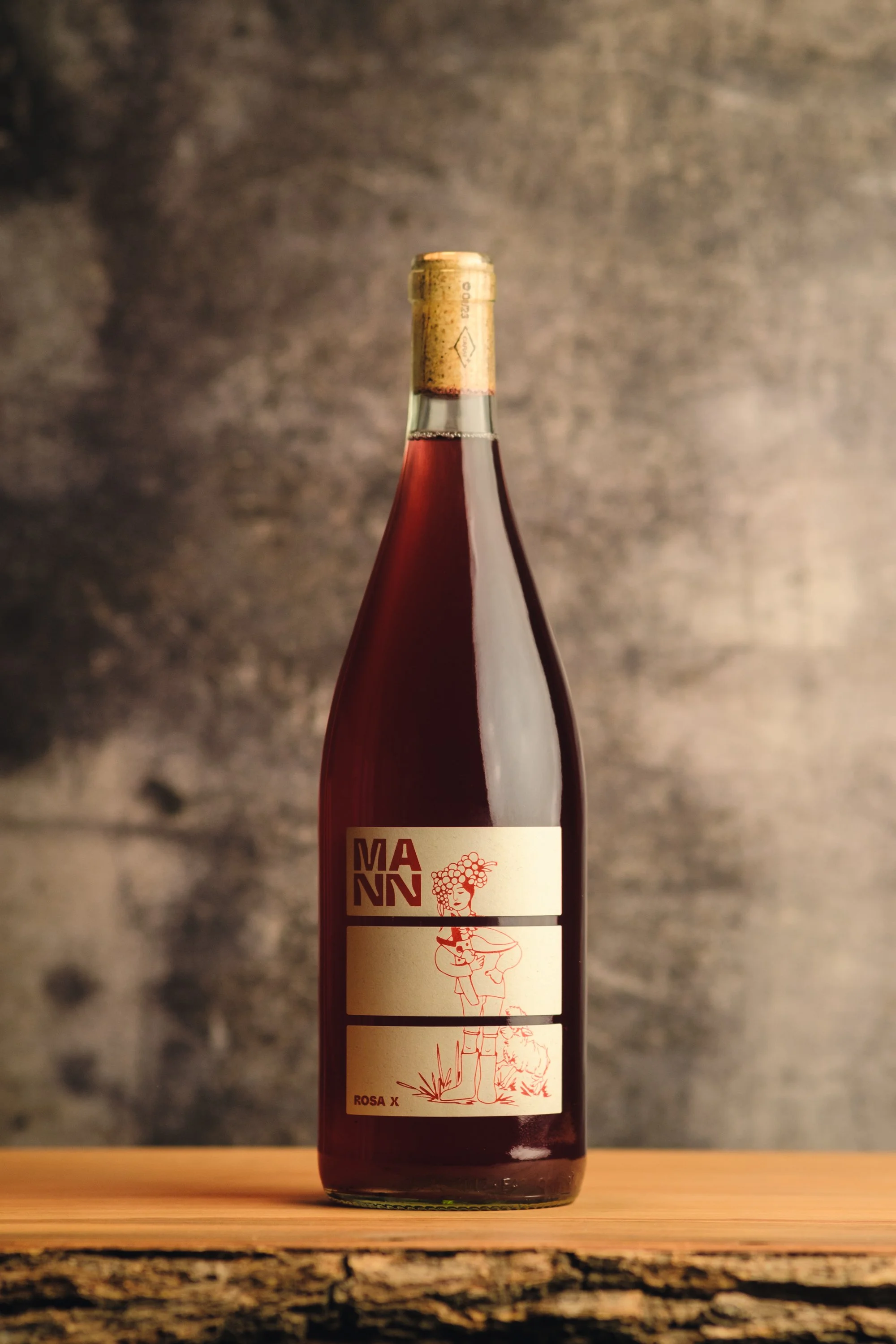
A vibrant, joy-filled rosé from Rheinhessen that captures pure drinkability without sacrificing character. The nose bursts with red cherries and crushed raspberries, layered with a playful hint of mango and ripe peach. On the palate, it is juicy and fluid, carried by bright acidity and a gentle mineral backbone from limestone and porphyr soils. There’s freshness, texture and just enough structure to keep it serious — but its true charm lies in its effortless energy. A wine that simply calls for sunshine, open air and good company.
Winemaker | Andi Mann
Region | Rheinhessen, Germany
Variety | 45 % dornfelder, 20 % weißburgunder, 20 % bacchus/ gewürztraminer 15 % silvaner
Viticulture | Organic certified, Biodynamic practices
Soil | Limestone and Porphyr
Altitude | 150 m
Age of the vines | 30 years
Bottles made | 13000 bottles
Vinification
Direct pressed and fermented in large traditional German oak barrels (Doppelstück, 2,400L). Aged for one year in wood before bottling without filtration and without the addition of sulphur.
A textured yet dangerously easy-drinking rosé — vibrant, generous and made for long afternoons in the park.

A dangerously drinkable strawberry juice, sexy reduction on the nose fresh crunchy cherry fruit on the palate. Hard not to reach for a second glass or bottle.
Winemaker | Andi Mann
Region | Rheinhessen, Germany
Variety | 45% portugieser/ cabernet dorsa 30% dornfelder 12,5% merlot 12,5% bacchus
Viticulture | Organic certified, Biodynamic practices
Soil | Limestone and Porphyr
Altitude | 150 m
Age of the vines | 30 years
Bottles made | 11000 bottles
Vinification
The grapes were party whole bunch fermented partly direct pressed. The juices then aged in large oak barrels 2400L for 1 year. Bottling without any filtration nor addition of sulphur.

Flavours are dominated by bright red fruits, such as raspberry and cranberry, with an underlying freshness from the limestone soil. There's a subtle earthy quality that adds depth, with hints of forest floor and dried herbs enhancing the complexity. The finish is clean and mineral-driven, leaving a refreshing, stony aftertaste that lingers delicately.
Winemaker | Andi Mann
Region | Rheinhessen, Germany
Variety | Spätburgunder ~ Pinot Noir
Viticulture | Organic certified, Biodynamic practices
Soil | Limestone
Altitude | 150 m
Age of the vines | 40 years
Bottles made | 900 bottles
Vinification
The grapes were fermented on skins for 3 weeks with 15 % stems. After pressing the wine ages in small 225L oak barrels for 2 years. Bottled without any filtration nor addition of sulphur.

Full of juicy pear, rhubarb and hint of elderflower, followed by electric acidity and long lingering crunchy finish
Winemaker | Jason Groebe
Region | Rheinhessen, Germany
Variety | Huxelrebe, Bacchus, Pinot Gris, Weissburgunder, Sauvignon Blanc and a small amount of Riesling
Viticulture | Organic certified
Soil | Limestone
Altitude | 150 m
Age of the vines | 30 years
Bottles made | 11000 bottles
Vinification
Bacchus and Huxelrebe were whole bunch crushed and fermented on the skins individually. Pinot Gris, Weissburgunder, Sauvignon Blanc and Riesling was pressed directly. The juices was fermented and aged in various size of oak barrels from 1200L to 4500L and a smaller part in stainless steal. After 9 months everything gets blended, bottling without any filtration nor addition of anything.

Juicy quince with drops of lemon pill and long vibrant finish. A must try for natural riesling fans.
Winemaker | Jason Groebe
Region | Rheinhessen, Germany
Variety | Riesling
Viticulture | Organic certified
Soil | Limestone
Altitude | 150 m
Age of the vines | 45 years
Bottles made | 2000 bottles
Vinification
The grapes for this wine come from the renowned village of Westofen. Hence this Riesling can be categorised in the German equivalent of the French “village” level. The grapes were hand harvested early to maintain the crisp acidity levels. Most of the grapes were pressed directly, to retain varietal purity, although one part has been fermented on skins to enhance the phenolic structure of the whole wine. They mature in large oval oak for 9 month on the lees, to enhance the longevity off the wines. Gets bottled without fining, filtration or the addition of sulphites.

A textured, characterful Grauburgunder that balances reduction and gentle oxidation with remarkable finesse. The nose opens with nuanced reduction and a beautiful oxidative tone — toasted almonds, hazelnut, and a creamy, almost Comté-like depth that recalls a lightly topped-up Jura white. Beneath it all runs a flinty, limestone-driven minerality. On the palate, it is layered and savoury yet vibrant, finishing with clarity and lift. Complex without heaviness, this is Pinot Gris with tension, salt and quiet confidence.
Winemaker | Jason Groebe
Region | Rheinhessen, Germany
Variety | Grauburgunder (Pinot Gris)
Viticulture | Organic certified
Soil | Limestone
Altitude | 150 m
Age of the vines | 15 years
Bottles made | 900 bottles
Vinification
Sourced from a single plot in Bechtheim, planted around 15 years ago. Hand-harvested and fermented on skins before pressing into large, old oak barrels. Aged for approximately nine months, then blended at bottling. Unfiltered, unfined, and bottled without additives.
A savoury, mineral Pinot Gris that bridges oxidative depth and crystalline freshness with precision.

A finely sculpted Weissburgunder from Rheinhessen, combining aromatic elegance with mineral precision. The nose is mesmerisingly complex — delicate nectarine and white peach layered with pink grapefruit zest and white blossom, all framed by a subtle flinty undertone from the limestone soils. On the palate, it is precise and textural, balancing gentle orchard fruit with vibrant acidity and a quiet, chalky grip. There is both finesse and quiet depth here — a Pinot Blanc of clarity, tension and understated confidence.
Winemaker | Jason Groebe
Region | Rheinhessen, Germany
Variety | Weissburgunder (Pinot Blanc)
Viticulture | Organic certified
Soil | Limestone
Altitude | 150 m
Age of the vines | 15 years
Bottles made | 900 bottles
Vinification
Hand-harvested fruit from a 15-year-old plot in Bechtheim. Fermented in a combination of older and younger oak barrels; a portion from the older barrel began fermentation on the skins before being gently pressed off. The wine matured for approximately nine months before blending at bottling. Unfined, unfiltered and without additives.
A precise, mineral Pinot Blanc that balances aromatic charm with structural elegance.

A precise and quietly electric Riesling — Jason’s finest expression from the limestone slopes of Rheinhessen. The nose is pure and lifted: fresh citrus zest, crushed lime and subtle quince, underscored by a distinct flinty minerality. On the palate, it is taut and crystalline, driven by vibrant acidity and chalky tension, finishing long, saline and mouth-watering. There is both energy and depth here — a Riesling of clarity, restraint and remarkable persistence. A benchmark for lovers of uncompromising, natural Riesling.
Winemaker | Jason Groebe
Region | Rheinhessen, Germany
Variety | Riesling
Viticulture | Organic certified
Soil | Limestone
Altitude | 180 m
Age of the vines | 45 years
Bottles made | 900 bottles
Vinification
Meticulously hand-harvested and carefully selected fruit from the renowned Marstein plot. Slow whole-bunch pressing preserves varietal purity and structural finesse. The wine matures for nine months on its lees in large oval oak, building texture and longevity while maintaining precision. Bottled unfined, unfiltered and without the addition of sulphites.
A focused, mineral Riesling built for both immediate thrill and graceful ageing.

Full of juicy cherries, rhubarb and a hint of black current paired with elegant floral notes. On the sip its vibrant liv ely elegant with electric acidity and long finish
Winemaker | Jason Groebe
Region | Rheinhessen, Germany
Variety | Pinot Noir 2022, St Laurent & Regnet 2021
Viticulture | Organic certified
Soil | Limestone
Altitude | 150 m
Age of the vines | 30 years
Bottles made | 12000 bottles
Vinification
Pinot Noir grapes are gently crushed by foot and ferment in an open vat for 10 days, the rest is direct pressed. Mix of 2022 and 2021 vintage. After pressing two-third of the juice ages in large oak, the rest in stainless steel. 9 months later it is bottled, without any filtration nor addition of sulphites.
Austria
Burgenland

A joyful, sun-soaked white from Burgenland that captures pure summertime energy. The nose is vibrant and exotic — ripe mango and fresh lime layered with juicy stone fruit and a gentle herbal lift. On the palate, it is fluid and refreshing, combining tropical brightness with a subtle saline edge from sandy soils. There is texture from lees ageing, yet the wine remains light on its feet — playful, aromatic and irresistibly drinkable. It feels like sunshine in liquid form.
Winemakers | Maria & Alex Koppitsch
Region | Burgenland, Austria
Varieties | 40% Grüner Veltliner, 40% Weissburgunder, 20% Sauvignon Blanc
Viticulture | Biodynamic practices
Soil | Sand
Altitude | 100 m
Vine Age | 30 years
Production | 7,000 bottles
VINIFICATION
Harvested and processed at the estate, with whole bunches pressed directly without additives or temperature control. The juice ferments naturally across stainless steel, large acacia barrels, 2,000L oak casks and fibreglass tanks. All components mature together on their lees for 6–7 months before bottling unfined, unfiltered and without added sulphur.
A vibrant, beach-ready white — textured, tropical and effortlessly refreshing.

The grapes for the Perpektive range are grown on the Neuberg - a very rocky limestone hill. Delivering wines that are very purist, precise and vivid. Charming minerality amongst enticing aromas of lime pill and white peach fruit notes clearly structured with depth of character and great finish.
Winemaker | Maria & Alex Koppitsch
Region | Burgenland, Austria
Variety | 50% Weissburgunder 50% Chardonnay
Viticulture | Biodynamic practices
Soil | Limestone
Altitude | 260 m
Age of the vines | 30 years
Bottles made | 2400 bottles
Vinification
3/4 of the grapes were directly pressed, and juice went straight into old Barriques (225L). 1/4 fermented on skins for 8 days. The wines matured on gross lees for 10 months without any additives or temperature control. Bottled unfiltered, unfined without the addition of sulfur.

Touch is a fun but elegant orange wine. On the nose hints of passion fruit and mango paired with creamy texture and a sprinkle of Malden salt on the finish.
Winemaker | Maria & Alex Koppitsch
Region | Burgenland, Austria
Variety | 50% Welschriesling 50% Gemischter Satz white (Grüner Veltliner, Brauner Veltliner, Weissburgunder, Welschriesling, Sauvignon Blanc, Traminer, Muskat, Neuburger, and many more)
Viticulture | Biodynamic practices
Soil | Clay & Limestone
Altitude | 100 m
Age of the vines | 30 years
Bottles made | 2000 bottles
Vinification
During harvest, the grapes are processed in the backyard. Whole bunches go straight into open top vats. Most are de-stemmed, but some kept as whole bunches for carbonic maceration (30%). Fermentation occurs naturally without any additives. After 16 days of maceration, the mash is pressed into small oak barrels. Maturation on gross lees for 10 months without any additives. No fining, no filtration and no temperature control at any stage of vinification. At bottling 5mg of sulfur is added.

A bright, playful red from Burgenland, bursting with fresh summer lemonade energy — think sour cherry, strawberry, litchi, and a hint of orange peel. Juicy, vibrant, and dangerously drinkable, it dances across the palate with effortless charm.
Winemakers | Maria & Alex Koppitsch
Region | Burgenland, Austria
Varieties | 40% Zweigelt, 40% Pinot Noir, 10% St. Laurent, 5% Syrah, 5% St. Laurent
Viticulture | Biodynamic practices
Soil | Gravel
Altitude | 100 m
Vine Age | 30 years
Production | 6,900 bottles
VINIFICATION
Whole bunches are slowly direct-pressed in a vertical basket press, then transferred straight into fibreglass and stainless steel tanks. All five components of ROZSA co-fermented gently and matured on gross lees for six months. Bottled unfined, unfiltered, and without any added sulphites.
A summer-ready red — fresh, textural, and utterly irresistible.
![Koppitsch - Pretty [nʌts] 2025](https://images.squarespace-cdn.com/content/v1/5cfa6206c3118a0001e8e47f/1688548876006-TN4FL0U42LIU61CUR2CG/Koppitsch_Austria_burgenland_sparling_wine_Pet_nat_Pretty_nuts_nats_Neuberg_Leithaberg_Blaufrankisch_Syrah.jpg)
‘A bubbly that fits all four seasons’ - the idea behind the alternating labels that resonates with the fun yet concentrated juice thats inside the bottle. Smacks you in the face like the most delicious berry punch you’ve ever had!
Winemaker | Maria & Alex Koppitsch
Region | Burgenland, Austria
Variety | 50% Blaufränkisch 50% Syrah
Viticulture | Biodynamic practices
Soil | Limestone and Schist
Altitude | 100 m
Age of the vines | 20 years
Bottles made | 3000 bottles
Vinification
The whole bunches were pressed directly, and fermented naturally with no additives or temperature control. At the right point during fermentation this wild juice gets bottled by hand – serious family job, everybody is helping (mum, dad, brother, the boys, Maria and Alex). Then the bottles are stored in the machine hall and rest until spring. During the first warm days of spring, when the nights are still freezing, the Koppitsch family puts the bottles into the backyard for cooling. After a few days the bottles are cold enough and ready for the final workflow – disgorging. They open every single bottle by hand - Alex is the man - fill it up and seal it again.

A plush, sun-kissed red from Burgenland, bursting with juicy dark cherry, cocoa, and pecan notes — like indulging in Grandma’s homemade pie under a shady willow. The palate is soft, approachable, and textural, with bright fruit, gentle tannins, and a hint of spice. Playful yet layered, it’s irresistibly drinkable and full of charm.
Winemakers | Maria & Alex Koppitsch
Region | Burgenland, Austria
Varieties | 80% Zweigelt, 20% St. Laurent
Viticulture | Biodynamic practices
Soil | Gravel
Altitude | 100 m
Vine Age | 30 years
Production | 9,000 bottles
VINIFICATION
Hand-harvested, destemmed, and fermented naturally on skins for eight days without additives or temperature control. Pressed gently, the juice matured on lees in fibreglass tanks (Zweigelt + St. Laurent) and large acacia barrels (Zweigelt) for six months. Blended shortly before bottling, unfined, unfiltered, and without added sulphur.
A vibrant, playful red — juicy, aromatic, and utterly charming.

Blend of red and white grapes; as you would expect this wine has everything that you need for a sunny afternoon. A dance-off between raspberry and lime; rhubarb and grapefruit - vibrant, exciting & fun.
The grapes for the Abendrot are grown on the Neuberg - a very rocky limestone hill. Delivering wines that are very purist and precise, clearly structured and with depth of characte.
Winemaker | Maria & Alex Koppitsch
Region | Burgenland, Austria
Variety | Welschriesling, Rosenmuskateller, Chardonnay, Pinot Blanc, St. Laurent, Blaufrankisch
Viticulture | Biodynamic practices
Soil | Limestone
Altitude | 260 m
Age of the vines | 30 years
Bottles made | 2000 bottles
Vinification
The grapes got partially de-stemmed (approx. 10% stems in the mash) and fermented naturally in stainless steel and fibreglass vats. After 10 days the mash was pressed and the wine was transfered into barrels (225l Barriques) in the cellar. The white grapes were direct pressed. The wines matured on gross lees for 11 months without any additives, without fining and filtration. Bottled unfiltered, unfined without the addition of sulfur.

The grapes for the Perpektive range are grown on the Neuberg - a very rocky limestone hill. Delivering wines that are very purist but precise – clearly structured and with depth of character – dark but charming minerals amongst enticing aromas of cassis and spring cherries fruit notes.
Winemaker | Maria & Alex Koppitsch
Region | Burgenland, Austria
Variety | 70% Blaufränkisch 30% Sankt Laurent
Viticulture | Biodynamic practices
Soil | Limestone
Altitude | 260 m
Age of the vines | 30 years
Bottles made | 4000 bottles
Vinification
The grapes got partially de-stemmed (approx. 10% stems in the mash) and fermented naturally in stainless steel and fibreglass vats. After 10 days the mash was pressed and the wine was transfered into barrels (225l Barriques) in the cellar. The wines matured on gross lees for 22 months without any additives, without fining and filtration. Bottled on August 4th 2020 unfiltered, unfined with the addition of 5mg of sulfur.

Every now and then, there are barrels, that are so outstanding that you cannot blend them into something else. So just happened with these 2 barrels of Blaufrankisch. One barrel from Neuberg limestone soil and one barrel from schist soil, were so exceptional, that they wanted this wine to shine on its own!
A pure example of the grape as Alex and Maria put it - "a wine that is balanced, but vibrant, feels like a tender touch with a heartwarming embrace in absolute silence. "
Winemaker | Maria & Alex Koppitsch
Region | Burgenland, Austria
Variety | Blaufränkisch
Viticulture | Biodynamic practices
Soil | Limestone, Schist
Altitude | 260 m
Age of the vines | 30 years
Bottles made | 600 bottles
Vinification
The grapes got partially de-stemmed (approx. 10% stems in the mash) and fermented naturally in stainless steel and fibreglass vats. After 10 days the mash was pressed and the wine was transferred into 2 barrels (225l Barriques) in the cellar. The wines matured on gross lees for 30 months without any additives, without fining and filtration. Bottled on April 26th 2022 unfiltered, unfined without the addition of sulfur.

A 6 bottle selection of their iconic wines
Including a gift tote bag, opener and a tasting guide straight from Maria herself :)
Winemaker | Maria & Alex Koppitsch
Region | Burgenland, Austria
Viticulture | Biodynamic practices
Soil | Limestone, Sand, Gravel
Altitude | 100 - 250m
Age of the vines | 30 years
Size | 5.5 ha
Wines in the box:
Carnuntum
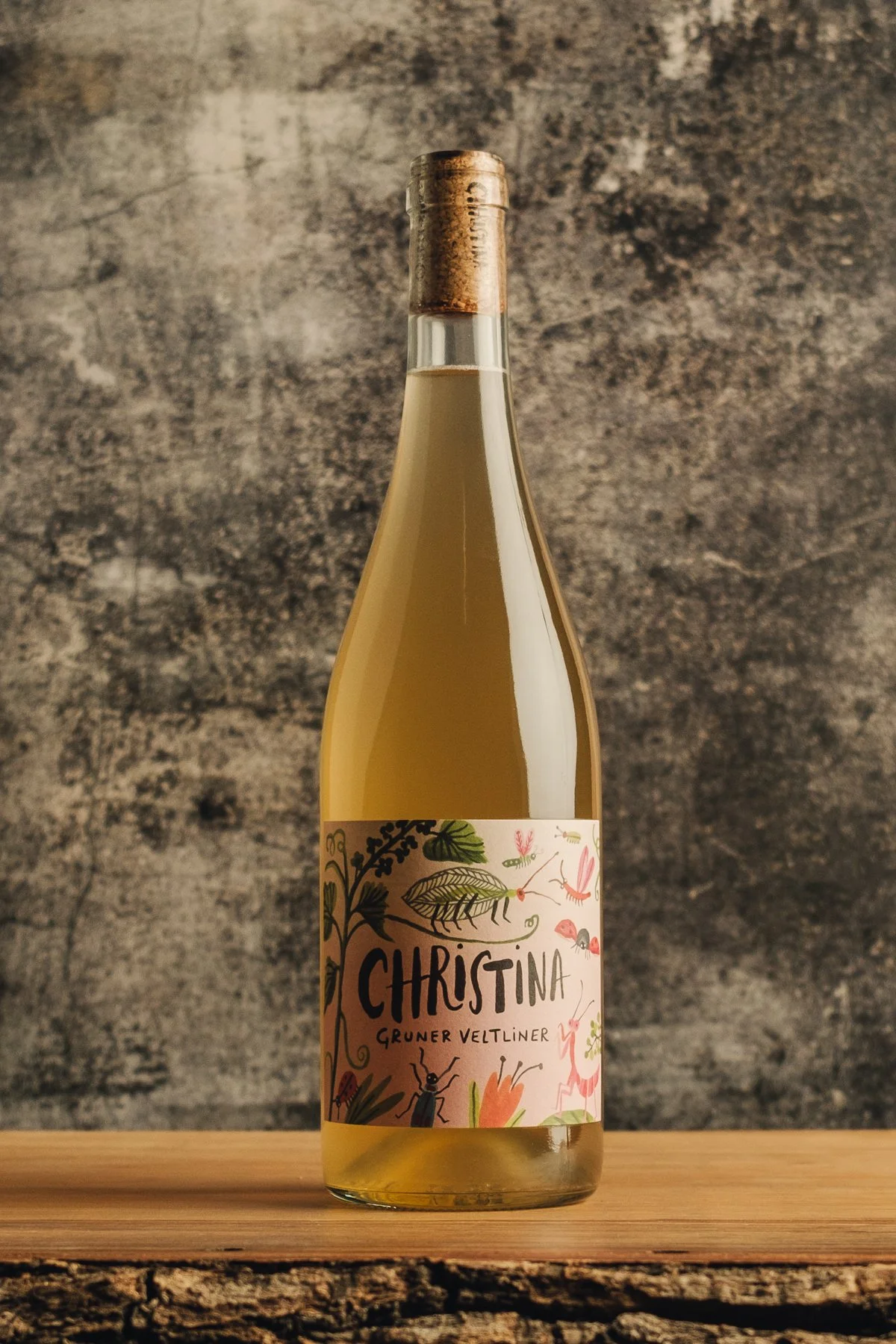
A crisp, organic Grüner bursting with fresh green apple and juicy pear, lifted by a twist of white pepper. Silky on the palate with a vibrant, mouthwatering finish—it’s dangerously easy to drink. One glass won’t cut it 😜
Winemaker | Christina Netzl
Region | Carnuntum, Austria
Variety | Grüner Veltliner
Viticulture | Organic
Soil | Red Gravel, Loess
Altitude | 100 m
Age of the vines | 30 years
Bottles made | 15000 bottles
Vinification
At harvest, all grapes are processed as whole bunches and go straight into the vertical basket press, with no additives or temperature control. The juice flows directly into stainless steel tanks, where it undergoes natural fermentation. A long period on the lees enhances complexity. Bottled unfined and unfiltered, with just a touch of sulphur.
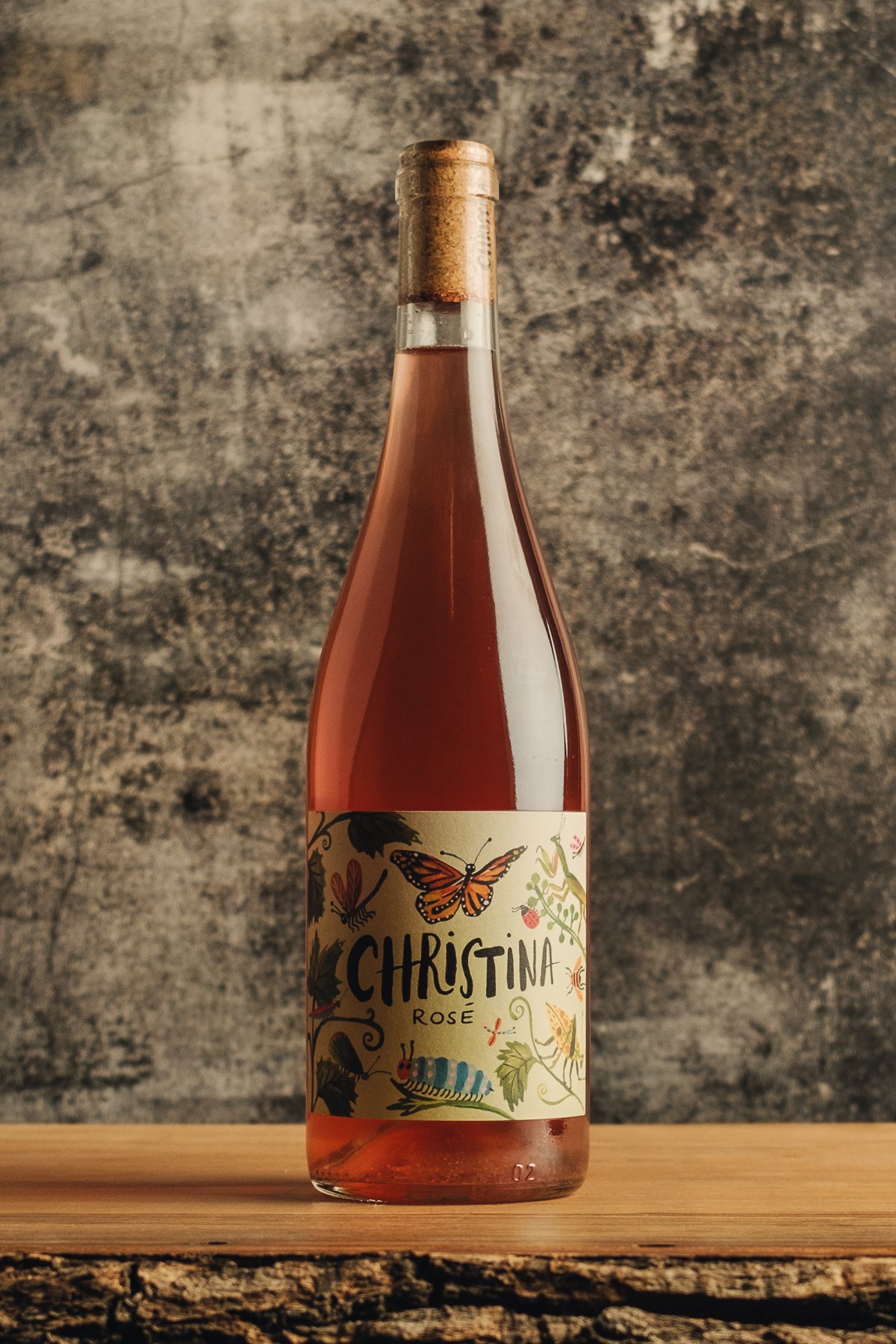
Fresh and vibrant, with juicy red fruit flavors. Packed with crisp strawberries, raspberries, and a touch of cherries. There’s a subtle citrus zest, adding a refreshing tang. Underlying the fruit, a hint of minerality and a delicate floral note, rounding out the profile. The wine is dry with a clean, crisp finish, highlighting the bright, fruity flavors and leaving a refreshing aftertaste.
Winemaker | Christina Netzl
Region | Carnuntum, Austria
Variety | Zweigelt
Viticulture | Organic
Soil | Red Gravel, Loess
Altitude | 100 m
Age of the vines | 30 years
Bottles made | 12000
Vinification
Grapes are hand-harvested and direct pressed to stainless steel tanks, with just a few hours of contact with the skins to provide color. Fermentation takes place under temperature control and lasts about two weeks. The wine rests for another 4 weeks and then is racked once, then rests on the lees for another 8 weeks. The wine is bottled unfined and unfiltered, with a small addition of sulfur.
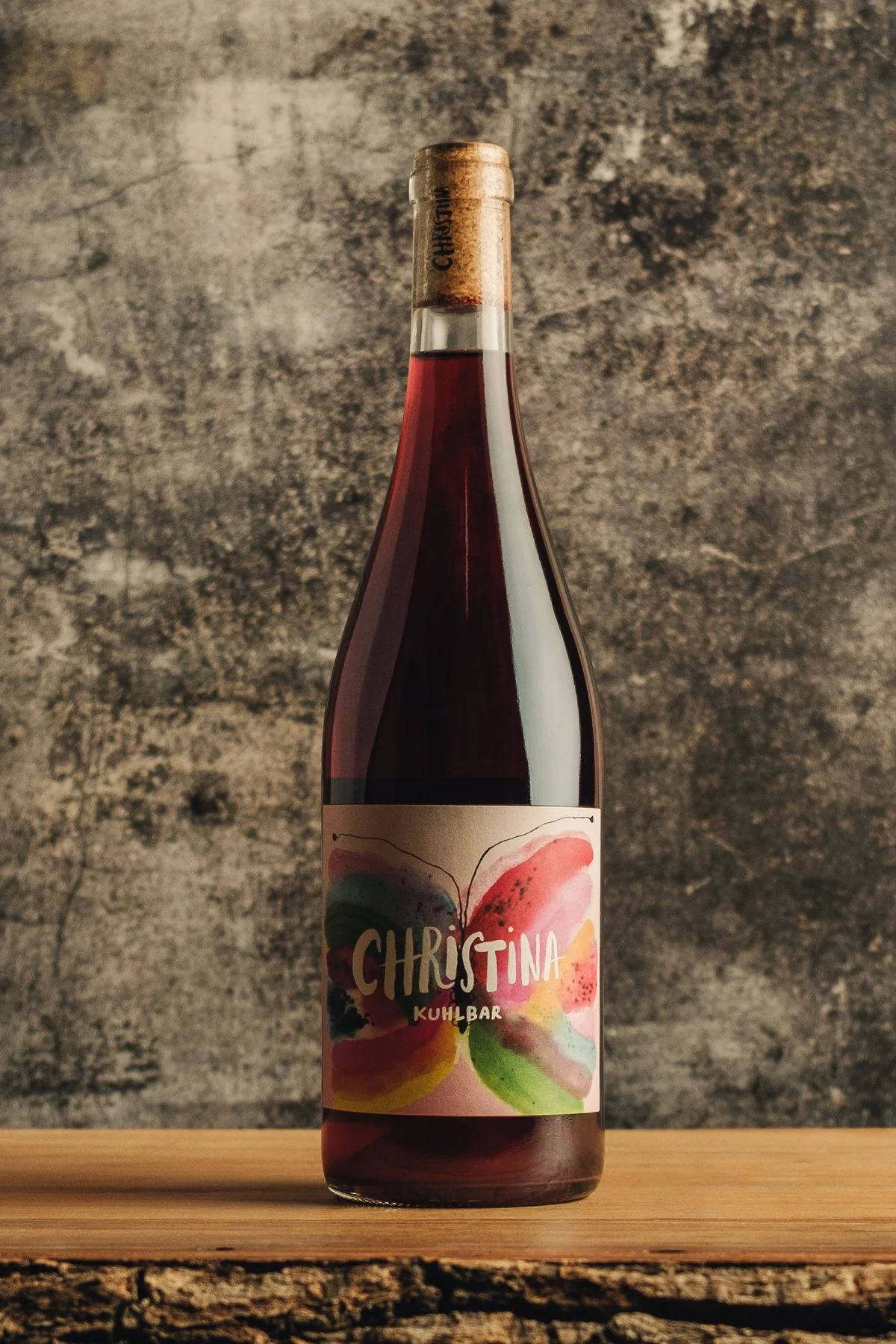
This chilled red is bursting with juicy red cherries and watermelon with a snap of green apple, this vibrant Austrian Zweigelt is summer in a glass. Delicate violet aromas add a floral lift, while the palate is juicy, fresh, and so moreish. It’s the perfect red for picnics, or just a sunny afternoon in the garden. Dangerously easy to drink—trust us, one glass won’t be enough.
Winemaker | Christina Netzl
Region | Carnuntum, Austria
Variety | Zweigelt
Viticulture | Organic
Soil | Red Gravel, Loess
Altitude | 100 m
Age of the vines | 30 years
Bottles made | 15000 bottles
Vinification
Carefully hand-picked at peak ripeness, this wine is crafted from a mix of whole bunches and destemmed berries. Fermentation takes place in stainless steel at a gentle 24 °C, with 10 days on the skins to build depth and character. Only the free-run juice — the purest expression — is used. A natural malolactic fermentation softens the texture, followed by 4 months of ageing in stainless steel to retain freshness and clarity of fruit.
Weinviertel

A vibrant and expressive blend led by Riesling, with Grüner Veltliner adding structure and Muskateller bringing a perfumed lift. Bursting with citrus peel, ripe pear and lychee, it’s floral and zesty with a gentle grip and a hint of spice. A whisper of petrol adds depth to the juicy, mouthwatering finish. Textural, aromatic and effortlessly drinkable – a natural wine with serious charm.
Winemaker | Johannes Zillinger
Region | Weinvertel, Austria
Variety | Riesling, Grüner Veltliner, Muskateller
Viticulture | Biodynamic
Soil | Loam, loess and limestone
Altitude | 150 m
Age of the vines | 5 - 55 years
Bottles made | 15000 bottles
Vinification
A natural blend from biodynamic vineyards around Velm-Götzendorf, named after the village’s historic name "Velue." Grapes are hand-harvested and gently selected. The Riesling spends one day on skins, adding texture and phenolic grip, while Grüner Veltliner is direct-pressed for clarity and freshness. Muskateller sees just five hours on skins and stems, enhancing aromatics without overpowering the blend.
Fermentation is entirely spontaneous in stainless steel at 21–24 °C, preserving the wine’s purity and sense of place. Malolactic fermentation also occurs naturally, softening acidity and contributing roundness. The wine matures for a full year on its full lees with occasional bâtonnage, building texture, depth and subtle complexity while maintaining a clean, vibrant profile. Unfiltered, unadulterated, and crafted with precision.
2024 is a touch more linear, fresher style compared to 2023 - with riesling being more dominant

Lime and Jasmin engage the nose elegantly yet playful before light creamy and biscuity aromas entertain the palate with white-fleshed peach and pears. The lightest key lime pie you will ever have. #lifehack 😉
Winemaker | Johannes Zillinger
Region | Weinvertel, Austria
Variety | Chardonnay 50%, Scheurebe 25%, Riesling 25%
Viticulture | Organic
Soil | Loess and limestone
Altitude | 150 m
Age of the vines | 20 - 35 years
Bottles made | 3000 bottles
Vinification
The aim behind this wine was to create a wine that is consistent in taste and structure throughout the vintages. The character is provided by a Solera system, which has been built with the Riesling variety since 2013. 50% Chardonnay (whole berry fermented in 500L oak and amphora, then gently pressed and left alone in a steel tank for 10 months) + 25% Scheurebe (short skin maceration) + 25% Riesling (Solera system from the vintages 2013 -2018) bottled unfiltered, unfined without the edition of sulphur

Green apple, stone fruit, spicy white pepper with a hint of herbaceous notes. Refreshing minerality breaks through the multilayered luscious viscosity on the pallet. Astonishing depth and elegance on the finish.
Winemaker | Johannes Zillinger
Region | Weinviertel, Austria
Variety | Gruner Veltliner
Viticulture | Biodynamic (Demeter certified)
Soil | Loess and limestone - Steinthal
Altitude | 150 m
Age of the vines | 40 years
Bottles made | 800 bottles
Vinification
Numen refers to a metaphysical action that man can not influence. Accordingly, this wine is made completely without intervention. The idea was to let a wine "emerge" give it the necessary time and use the full potential of the old vines. The wine was fermented in amphora with whole bunches for a few days, then gently pressed by hand and aged for 16 months on the lees. Bottled without sulphites, fining or filtration.
2015 was a hot and dry vintage, resulting in wines with bigger body. Balanced year in terms of rainfall lowered the yield, as a result the finished wines are more concentrated and have longer finish.

A Sauvignon Blanc, reminiscent of the grand wines of the Silex soils of the Loire Valley. Intense minerality, depth and elegance. Lightly herbal, lemon peel and nectarine are interwoven to a lingering expression of this grape.
Winemaker | Johannes Zillinger
Region | Weinvertel, Austria
Variety | Sauvignon Blanc
Viticulture | Biodynamic
Soil | Loess and limestone - Steinthal
Altitude | 150 m
Age of the vines | 30 years
Bottles made | 800 bottles
Vinification
Numen refers to a metaphysical action that man can not influence. Accordingly, this wine is made completely without intervention. The idea was to let a wine "emerge" give it the necessary time and use the full potential of the old vines. The Numen-Fumé blanc was fermented in amphora with whole berries for a few days, then gently pressed, aged for over a year on the lees without sulphites and bottled unfiltered.

Aromatic nose packed with generous stone fruit, mango and litchi with a hint of yellow flower notes and honeysuckle. Refreshing minerality breaks through the multilayered luscious viscosity on the pallet. Fascinating dreamy depth and elegance like a Tchaikovsky ballet.
Winemaker | Johannes Zillinger
Region | Weinviertel, Austria
Variety | Muskateller
Viticulture | Biodynamic (Demeter certified)
Soil | Loess and limestone - Steinthal
Altitude | 150 m
Age of the vines | 40 years
Bottles made | 1200 bottles
Vinification
Numen refers to a metaphysical action that man can not influence. Accordingly, this wine is made completely without intervention. The idea was to let a wine "emerge" give it the necessary time and use the full potential of the old vines. The wine was fermented in amphora with whole bunches for a few days, then gently pressed by hand and aged for 16 months on the lees. Bottled without sulphites, fining or filtration.
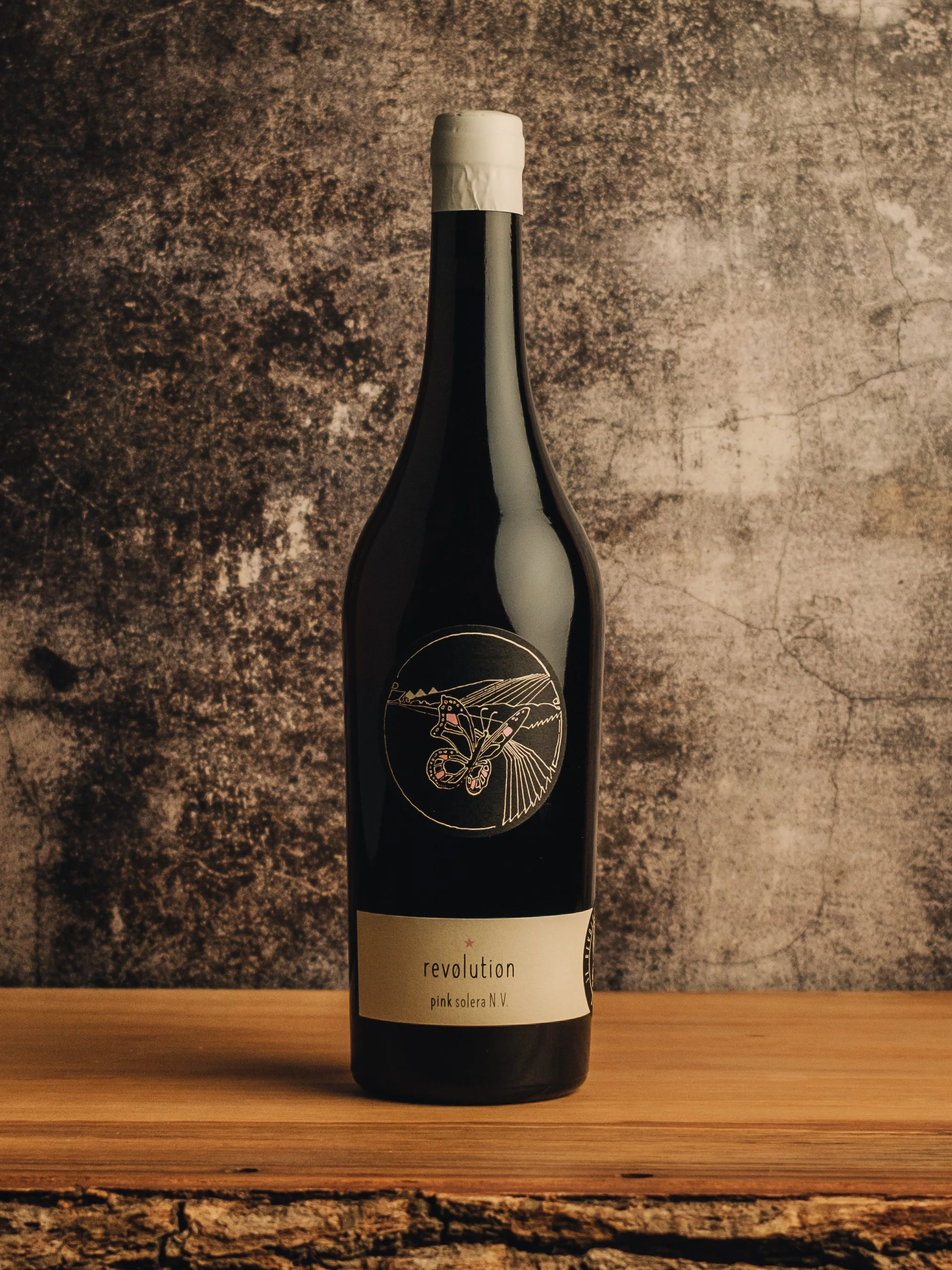
Fresh strawberry salad with sesame seed ice cream packed inside the bottle. Kick your shoes, lay down and enjoy the sunshine.
Winemaker | Johannes Zillinger
Region | Weinvertel, Austria
Variety | Rösler, Syrah, St.Laurent
Viticulture | Biodynamic
Soil | Loess and limestone - Haidthal and Sonnberg
Altitude | 150 m
Age of the vines | 25 years
Bottles made | 3000 bottles
Vinification
All three grape varieties ferment and age separately and are blended at bottling. Half of the Rösler grapes are kept in whole bunches and half are destemmed and pressed straight away. The Syrah is gently destemmed and soaked for two days before pressing. The St.Laurent is fermented and aged in amphora for 12 months. The different vintages of St.Laurent are matured in steel tank in a solera system.

Bright, fresh and bursting with primary fruit, this juicy blend is all about vibrancy. Think crunchy red plum, tangy raspberry and wild berries, lifted by floral notes and a lively, mouthwatering zing. There's a subtle line of black pepper and spice in the background, adding a gentle kick beneath the fruit. Light on its feet, with soft tannins and pure, clean energy—an easy-drinking red that overdelivers on freshness and charm.
Winemaker | Johannes Zillinger
Region | Weinvertel, Austria
Variety | Zweigelt, Merlot
Viticulture | Biodynamic
Soil | Loess and limestone - Haidthal and Sonnberg
Altitude | 150 m
Age of the vines | 25 years
Bottles made | 8000 bottles
Vinification
Made from 80% Zweigelt and 20% Merlot grown biodynamically on loess and limestone soils in the Haidthal and Sonnberg vineyards. Grapes are hand-harvested and sorted with care. The Zweigelt is destemmed and undergoes 4 days of spontaneous fermentation, extracting vivid colour and fine tannins. Merlot is partially whole-bunch fermented for 5 days, contributing lift, floral tones and a hint of spice. The wine is then aged for 16 months in a combination of large oak barrels and stainless steel, preserving freshness while adding subtle depth. Unfined, unfiltered and naturally expressive.
Wachau

Stone fruit, ripe green apple hint of quince and pepper spice on the nose. Full of energy and tension with a long lingering finish on the palate.
Winemaker | Michael Linke, Franz Hofbauer
Region | Wachau, Austria
Variety | Grüner Veltliner
Viticulture | Biodynamic
Soil | Calcareous, sandy-marls
Altitude | 250 m
Age of the vines | 40 years
Bottles made | 7000 bottles
Vinification
This grapes for this drop come from the vineyards east of the river Danube. The clusters were whole-bunch pressed then the juice was spontaneously fermented in steel tanks. The wine was left on its fine lees to mature. After 8 months it was bottled without fining or filtration.
Vintage
2022 was a very odd one. Started out dry then got very rainy occasionally which resulted in a slightly earlier ripening and with wines that are fast developing, easily approachable and charming
2019 was a cold rainy vintage, naturally reducing the yield, resulting in wines with high vibrant acidity. Claimed to be the vintage of the decade in Wachau

Peppery, flinty mineral and tense at first; giving it a little time it opens out beautifully revealing its stone-fruit characters and really long finish. Maximum elegance in each drop. A wonderful example of high quality Grüner Veltliner from the side valley of Wachau.
Winemaker | Michael Linke, Franz Hofbauer
Region | Spitzer Graben, Wachau, Austria
Variety | Grüner Veltliner
Viticulture | Biodynamic
Soil | Calcareous, sandy-marls
Altitude | 500 m
Age of the vines | 10 - 40 years
Bottles made | 1500 bottles
Interesting Facts
The grapes for this wine have been grown in the side valley, west of the Danube called “Spitzer Graben”. This is where Michael and Franz has their single vineyard sites. These are steep terraced slopes at very high altitude. They use the grapes that are on the lower parts of the vineyards or slightly younger plantations.
Vinification
The clusters were whole-bunch pressed. Then, the juice was spontaneously fermented in steel tanks and left on its fine lees to mature. After 8 months it was bottled without fining or filtration.
Vintages
2022 was a very odd one. Started out dry then got very rainy occasionally which resulted in a slightly earlier ripening and with wines that are fast developing, easily approachable and charming
2018 was a great year in the Wachau, resulting in wines with deep fruit concentration and high acidity.
2016 is known for being a difficult rainy and cold vintage. Resulted in a very long harvest due to meticulous selection, naturally lowering the yield and concentrating the juice.

A Grüner Veltliner that feels like a jewel. The nose is focused and precise starts with lemon peel and quince revealing flinty smokiness and peppery herbal notes. The palate is all about the herbal notes reflecting the terroir in an incredibly long finish. A wine that deserves attention and a special occasion.
Winemaker | Michael Linke, Franz Hofbauer
Region | Spitzer Graben, Wachau, Austria
Variety | Grüner Veltliner
Viticulture | Biodynamic
Soil | Gneiss, brown earth
Altitude | 450 m
Age of the vines | 50 years
Bottles made | 800 bottles
Single Vineyard
This particular part of the Brandstatt lies on the mountain ridge illuminated by the setting sun. Combine that with nutrient rich gneiss cowered with brown earth and you get the perfect location for Grüner Veltliner. A 50 year old plantation on terraced vineyard not accessible by tractor resulting in on of the most layered and complex wines that we have ever came across.
Vinification
Only the best grapes of their best Grüner Veltliner plots make it in to this wine. The key lies in caring for the vines trough out the year and an incredibly meticulous harvest - not a single berry with the slightest defect can enter the cellar. After that the rest is straight forward the clusters were whole-bunch pressed and the juice was spontaneously fermented in steel tanks. The wine was left on its fine lees to mature. After 8 months it was bottled without fining or filtration with a bit of sulphur.
2022 was a very odd one. Started out dry then got very rainy occasionally which resulted in a slightly earlier ripening and with wines that are fast developing, easily approachable and charming

The Bruck Riesling, without a doubt the most iconic single vineyard in the valley in its purest form! It results in a wine with the greatest ageing potential and a more masculine style compared to the other single vineyards. The nose is packed with ripe stone-fruits, lime peel paired with fresh pepper and flinty wet stony minerality.
Winemaker | Michael Linke, Franz Hofbauer
Region | Spitzer Graben, Wachau, Austria
Variety | Riesling
Viticulture | Biodynamic
Soil | Granodiorite gneiss, amphibolite and sand topsoil
Altitude | 500 m
Age of the vines | 30 years
Bottles made | 600 bottles
Single Vineyard | Bruck
The Bruck is the steepest single vineyard in the valley stretching between 400 and 500m altitude. The soil here consist of granodiorite gneiss and amphibolite base soil and sand topsoil. It would be impossible to cultivate if it wouldn’t be for the hundreds of stonewalls supporting the permeable sandy top soil. It always results in a more masculine style riesling with piercing acidity.
Vinification
This wine is made from the very best grapes grown on their top plots. The clusters were whole-bunch pressed and the juice was spontaneously fermented in steel tanks. The wine was left on its fine lees to mature. After 8 months it was bottled without fining or filtration with a little bit of sulphur.
2022 was a very odd one. Started out dry then got very rainy occasionally which resulted in a slightly earlier ripening and with wines that are fast developing, easily approachable and charming
2018 was a warmer vintage than 2017 that brought the harvest slightly forward resulting in sharper and more focused wines.
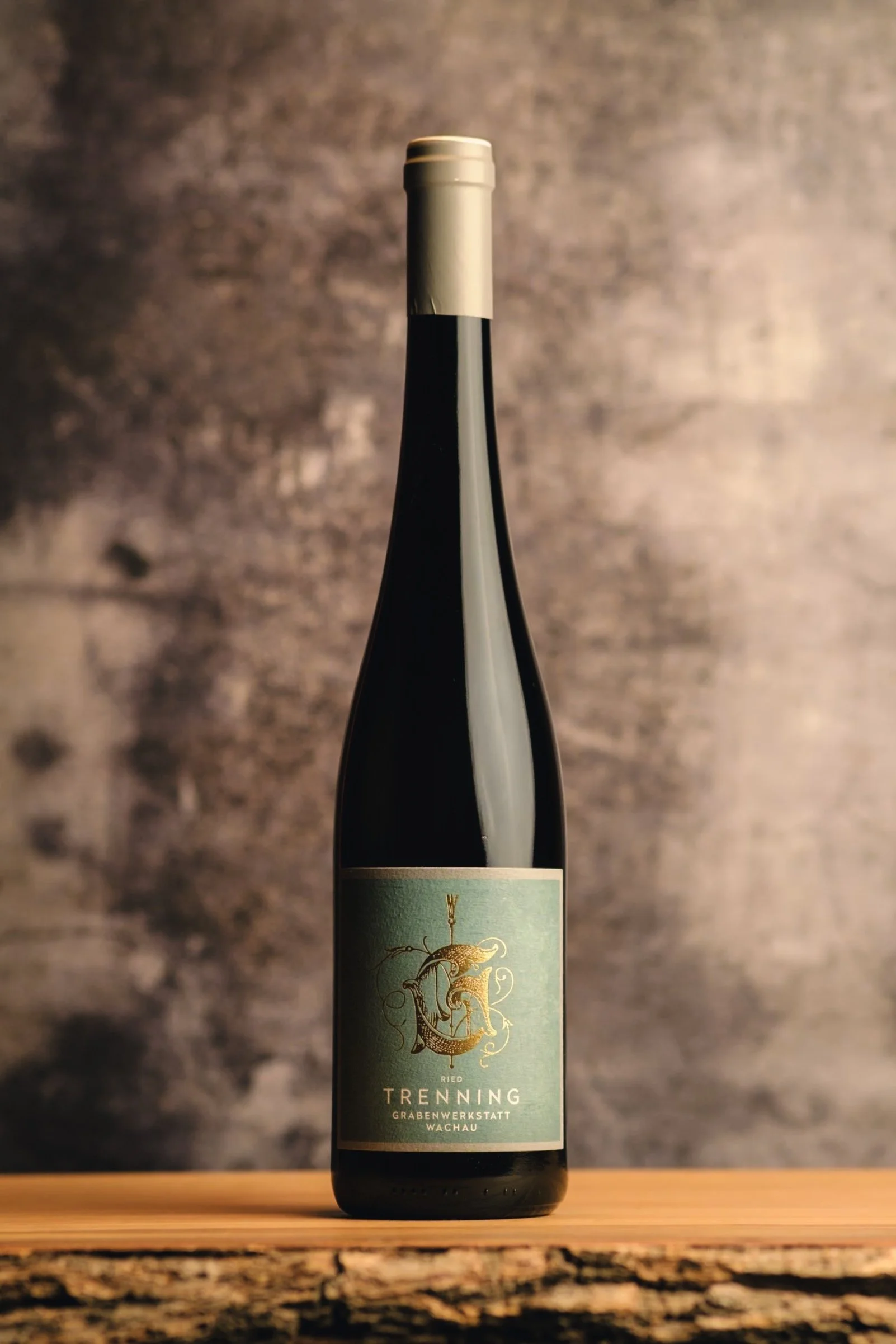
Trenning gives one of the most unique rieslings on the planet, in the hand of Michael and Franz this grape can truly enfold its true potential. The wine opens with flinty, smokey peppery notes revealing white peach, lime peel with elegant floral notes, its precision is truly mesmerising.
Winemaker | Michael Linke, Franz Hofbauer
Region | Spitzer Graben, Wachau, Austria
Variety | Riesling
Viticulture | Biodynamic
Soil | Graphite and a little limestone on gneiss.
Altitude | 500 m
Age of the vines | 60 years
Bottles made | 800 bottles
Single Vineyard
The Trenning is the highest vineyard in the Wachau lying at a 550m altitude. The south exposer makes the viticultural viable on the otherwise cold, windy and dry territory. Due to the steep slopes it can only be cultivated by hand as no machinery is able to climb it. The usual gneiss base soil is enriched by graphite and some limestone resulting in higher acidity and a more feminine style.
Vinification
This wine is made from the very best grapes grown on their top plots. The clusters were whole-bunch pressed and the juice was spontaneously fermented in steel tanks. The wine was left on its fine lees to mature. After 8 months it was bottled without fining or filtration with a little bit of sulphur.
2022 was a very odd one. Started out dry then got very rainy occasionally which resulted in a slightly earlier ripening and with wines that are fast developing, easily approachable and charming
Slovenia

Evocative of the Adriatic coast, this remarkable Malvasia opens with aromas of sea breeze, oyster shell and delicate white flowers, layered with white peach, preserved lemon and a gentle savoury nuttiness. The palate is concentrated yet beautifully poised, combining vibrant saline minerality with a creamy, textural richness built through extended lees ageing. Subtle notes of almond and a delicate flor influence add further complexity, leading to a long, mouthwatering finish that speaks unmistakably of Istria. Elegant, gastronomic and deeply distinctive, this is a wine made for the table—especially alongside fresh seafood.
Winemaker | Uros Klabjan
Region | Istria, Slovenia
Variety | Malvasia
Style | White
Viticulture | Organic certified
Soil | Karst Limestone, Clay and Marl
Altitude | 45 - 120 m
Age of the vines | 50 years
Bottles made | 8000 bottles
Vinification
After hand-harvesting, the grapes were destemmed and fermented in open-top vats with four days of skin contact, extracting gentle texture and aromatic complexity. The wine was then transferred to a combination of stainless steel tanks and concrete eggs, where fermentation finished and the wine matured on its fine lees for two years. The naturally cool 2021 vintage delivered exceptional acidity. This patient ageing lends remarkable savoury depth, creamy texture and complexity while preserving the wine's vibrant freshness and ageing potential.

Jumps out of a glass with rich notes of orange jam, apple compote and honeysuckle paired with marzipan and walnut. On the palate it shows round and creamy texture with smooth tannins and a lifting dash of pleasant acidity. To be served in larger glasses to let it express it self to the fullest.
Winemaker | Uros Klabjan
Region | Istria, Slovenia
Variety | Malvasia
Style | Orange
Viticulture | Organic certified
Soil | Karst Limestone, Clay and Marl
Altitude | 45 - 120 m
Age of the vines | 50 years
Bottles made | 2000 bottles
Vinification
The grapes are de-stemmed and fermented in open vat fermenter for 4 days with the skins. Then the wines are transferred to used Slavonian barrels and concrete eggs with the lees to finish fermentation and age for 2 years.
2019 was a warm vintage resulting in more opulent aromas and bigger bodied wines

Pronounced aromatic nose of Jasmin and elderflower paired with candid orange peel and honeysuckle. Round complex and rich palate a real orange wine delight.
Winemaker | Uros Klabjan
Region | Istria, Slovenia
Variety | Muscat
Style | Orange
Viticulture | Organic certified
Soil | Karst Limestone, Clay and Marl
Altitude | 45 - 120 m
Age of the vines | 50 years
Bottles made | 800 bottles
Vinification
The grapes are de-stemmed and fermented in open vat fermenter for 4 days with the skins. Then the wines are transferred to used Slavonian barrels with the lees to finish fermentation and age for 2 years.

Opulent yet precise, this Refosk opens with a deeply expressive nose of blackcurrant, black cherry and damson plum, lifted by accents of freshly cracked black pepper and a subtle graphite, pencil-shaving note. The palate is generous and mouth-filling, delivering impressive concentration wrapped in supple, polished tannins. Despite its depth and dark fruit intensity, the wine retains a striking sense of freshness, driven by vibrant acidity that carries through to a long, lifted, and elegant finish. Structured, harmonious and quietly powerful, it balances raw energy with refined control.
Winemaker | Uros Klabjan
Region | Istria, Slovenia
Variety | Refosk
Style | Red
Viticulture | Organic certified
Soil | Karst Limestone, Clay and Marl
Altitude | 45 - 120 m
Age of the vines | 50 years
Bottles made | 7000 bottles
Vinification
The grapes are carefully destemmed and fermented in open-top vats over two weeks, with gentle extraction to preserve aromatic purity and structure. The wine is then aged for 24 months in stainless steel, allowing it to evolve slowly while retaining clarity, tension and varietal definition. This reductive élevage enhances precision and freshness, resulting in a Refosk that is both powerful and finely detailed.

A monumental expression of old-vine Refosk, this is Uroš Klabjan’s most prestigious and age-worthy red—built from vines between 85 and 130 years old and shaped by a decade of evolution. Deep, dark and intensely layered, it opens with blackcurrant, damson plum and ripe cherry, unfolding into complex notes of bitter chocolate, truffle and dried herbs. Despite its power and concentration, the wine remains strikingly poised, carried by vibrant acidity and finely tuned, velvety tannins. The palate is dense yet lifted, reminiscent of an Amarone in depth, but with far greater precision and freshness. Long, savoury and profoundly satisfying, this is a wine made for slow moments and serious contemplation.
Winemaker | Uros Klabjan
Region | Istria, Slovenia
Variety | Refosk
Viticulture | Organic certified
Soil | Karst Limestone, Clay and Marl
Altitude | 45 - 120 m
Age of the vines | 85-130 years
Bottles made | 1000 bottles
Vinification
The grapes are carefully destemmed and fermented in open-top vats over four weeks with gentle extraction to preserve structure and aromatic depth. Following fermentation, the wine is aged for three years in used Slavonian oak barrels, allowing it to develop complexity while maintaining freshness and balance. The extended bottle ageing of this cuvée (approximately 10 years before release) brings remarkable tertiary depth and integration. The result is a wine of profound structure, savoury intensity and long ageing potential, shaped by both ancient vines and patient élevage.
štajerska

Layers and layers of honey, peach, camomile and pine nuts wonderfully balanced and vibrant. complex and refined. To be enjoyed straight away but has also fantastic ageing potential. A true natural wine. Be opened to it and let it rest a few days once it arrives.
Winemaker | Aci Urbajs
Region | Stajerska, Slovenia
Variety | Pinot Gris
Viticulture | Biodynamic certified
Soil | Marl
Altitude | 450 m
Age of the vines | 30 years
Bottles made | 900 bottles
Vinification
The grapes are de-stemmed and fermented in open vat fermenter for 2 weeks with gentle extraction. The wine ages in in very old Slovenian oak barrels for 12 months before bottling without fining, filtration or any addition of SO2.
Lime pill, white truffle and sage - a wine that is infinitely complex and shows a different face to everyone. Smooth and textured with a surprisingly vibrant mineral finish. Exceptional natural wine.
Winemaker | Aci Urbajs
Region | Stajerska, Slovenia
Variety | Riesling, Kerner, Chardonnay
Viticulture | Biodynamic certified
Soil | Marl
Altitude | 450 m
Age of the vines | 30 years
Bottles made | 300 bottles
Vinification
The grapes are de-stemmed and fermented in open vat fermenter for 2 weeks with gentle extraction. The wine ages in in very old Slovenian oak barrels for 12 months before bottling without fining, filtration or any addition of SO2. 2013 was a really hot summer, with rainfall in autumn resulting in a difficult picking season of very ripe grapes.