white wines
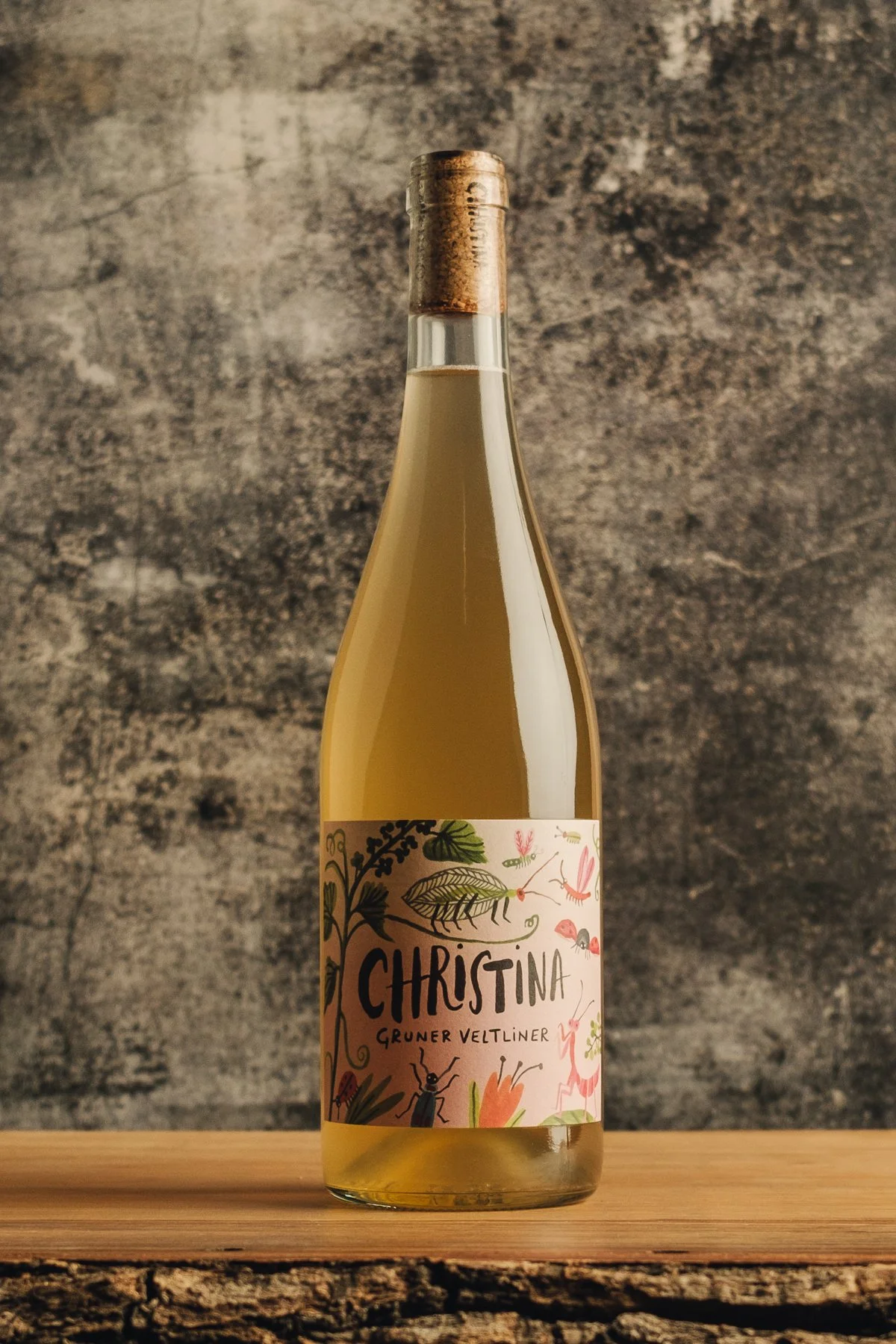
A crisp, organic Grüner bursting with fresh green apple and juicy pear, lifted by a twist of white pepper. Silky on the palate with a vibrant, mouthwatering finish—it’s dangerously easy to drink. One glass won’t cut it 😜
Winemaker | Christina Netzl
Region | Carnuntum, Austria
Variety | Grüner Veltliner
Viticulture | Organic
Soil | Red Gravel, Loess
Altitude | 100 m
Age of the vines | 30 years
Bottles made | 15000 bottles
Vinification
At harvest, all grapes are processed as whole bunches and go straight into the vertical basket press, with no additives or temperature control. The juice flows directly into stainless steel tanks, where it undergoes natural fermentation. A long period on the lees enhances complexity. Bottled unfined and unfiltered, with just a touch of sulphur.

Full of juicy pear, rhubarb and hint of elderflower, followed by electric acidity and long lingering crunchy finish
Winemaker | Jason Groebe
Region | Rheinhessen, Germany
Variety | Huxelrebe, Bacchus, Pinot Gris, Weissburgunder, Sauvignon Blanc and a small amount of Riesling
Viticulture | Organic certified
Soil | Limestone
Altitude | 150 m
Age of the vines | 30 years
Bottles made | 11000 bottles
Vinification
Bacchus and Huxelrebe were whole bunch crushed and fermented on the skins individually. Pinot Gris, Weissburgunder, Sauvignon Blanc and Riesling was pressed directly. The juices was fermented and aged in various size of oak barrels from 1200L to 4500L and a smaller part in stainless steal. After 9 months everything gets blended, bottling without any filtration nor addition of anything.

Juicy quince with drops of lemon pill and long vibrant finish. A must try for natural riesling fans.
Winemaker | Jason Groebe
Region | Rheinhessen, Germany
Variety | Riesling
Viticulture | Organic certified
Soil | Limestone
Altitude | 150 m
Age of the vines | 45 years
Bottles made | 2000 bottles
Vinification
The grapes for this wine come from the renowned village of Westofen. Hence this Riesling can be categorised in the German equivalent of the French “village” level. The grapes were hand harvested early to maintain the crisp acidity levels. Most of the grapes were pressed directly, to retain varietal purity, although one part has been fermented on skins to enhance the phenolic structure of the whole wine. They mature in large oval oak for 9 month on the lees, to enhance the longevity off the wines. Gets bottled without fining, filtration or the addition of sulphites.

Stone fruit, ripe green apple hint of quince and pepper spice on the nose. Full of energy and tension with a long lingering finish on the palate.
Winemaker | Michael Linke, Franz Hofbauer
Region | Wachau, Austria
Variety | Grüner Veltliner
Viticulture | Biodynamic
Soil | Calcareous, sandy-marls
Altitude | 250 m
Age of the vines | 40 years
Bottles made | 7000 bottles
Vinification
This grapes for this drop come from the vineyards east of the river Danube. The clusters were whole-bunch pressed then the juice was spontaneously fermented in steel tanks. The wine was left on its fine lees to mature. After 8 months it was bottled without fining or filtration.
Vintage
2022 was a very odd one. Started out dry then got very rainy occasionally which resulted in a slightly earlier ripening and with wines that are fast developing, easily approachable and charming
2019 was a cold rainy vintage, naturally reducing the yield, resulting in wines with high vibrant acidity. Claimed to be the vintage of the decade in Wachau
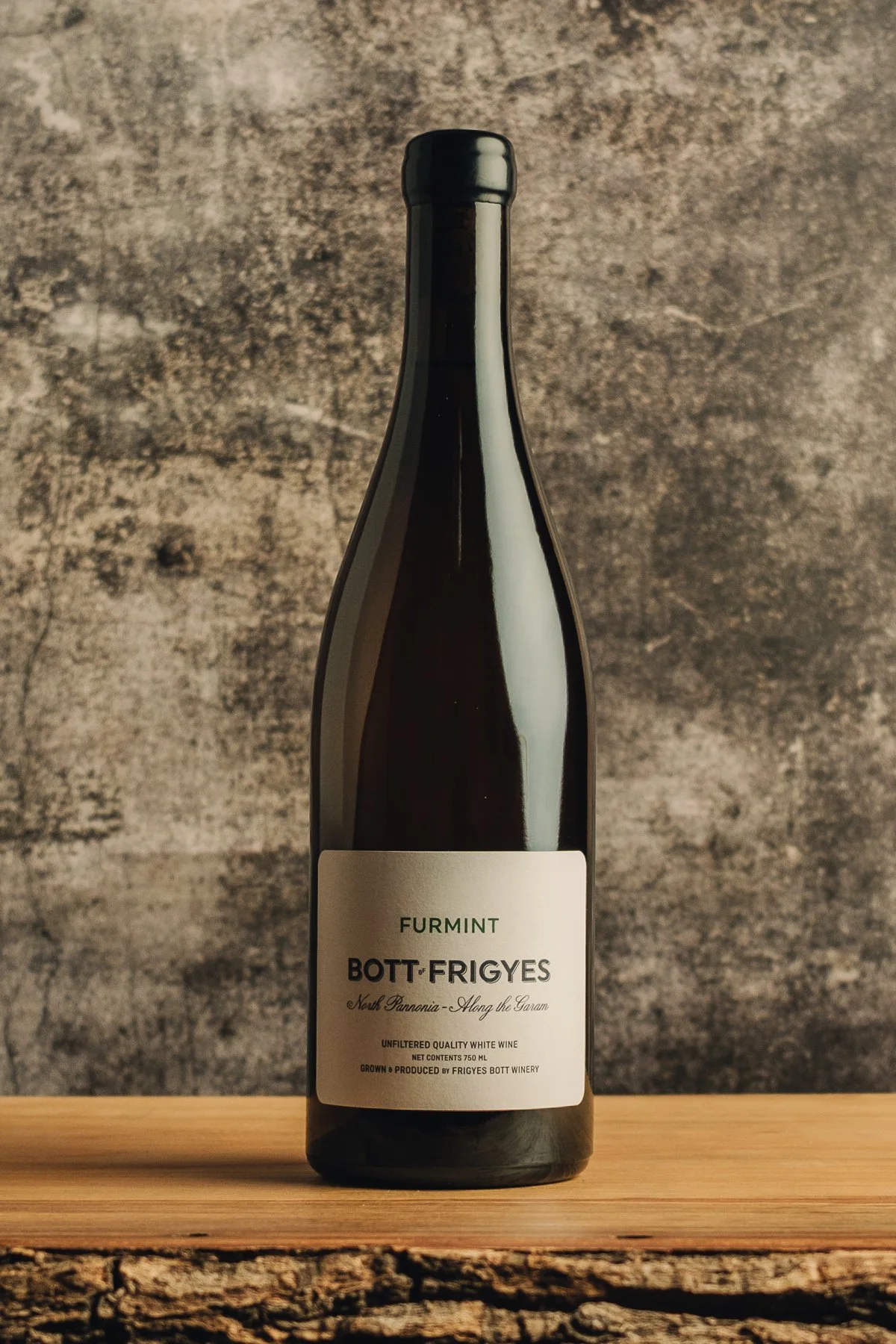
Precise, vibrant and finely etched, this Furmint captures both purity and quiet intensity. The nose opens with zesty citrus peel, green apple and subtle white blossom, layered over a distinct flinty, volcanic minerality. The palate is taut and energetic, driven by bright, mouthwatering acidity that gives the wine its line and tension. Beneath the freshness lies a gentle depth and textural finesse from lees ageing, resulting in a beautifully balanced, linear expression that is both refined and deeply invigorating.
Winemaker | Frigyes Bott
Region | Garam Valley, Slovakia
Variety | Furmint
Style | White
Viticulture | Organic with biodynamic practices
Soil | Volcanic Andesite with a mix of chalk and clay
Altitude | 250 m
Age of the vines | 10 years
Bottles made | 1500 bottles
Vinification
Following hand harvest, the grapes are gently whole-bunch pressed using a vertical basket press to preserve delicacy and precision. The juice is then transferred by gravity into a selection of Zemplén oak barrels (225L, 300L and 400L), where it undergoes spontaneous fermentation. The wine remains on its fine lees for eight months, building subtle texture and complexity while retaining its crystalline freshness. The vintage, marked by warmth and well-distributed rainfall, delivered exceptionally healthy fruit and resulted in a Furmint of notable concentration, balance and elegance—widely considered one of the finest vintages of the past decade for the Bott family.

The grapes for the Perpektive range are grown on the Neuberg - a very rocky limestone hill. Delivering wines that are very purist, precise and vivid. Charming minerality amongst enticing aromas of lime pill and white peach fruit notes clearly structured with depth of character and great finish.
Winemaker | Maria & Alex Koppitsch
Region | Burgenland, Austria
Variety | 50% Weissburgunder 50% Chardonnay
Viticulture | Biodynamic practices
Soil | Limestone
Altitude | 260 m
Age of the vines | 30 years
Bottles made | 2400 bottles
Vinification
3/4 of the grapes were directly pressed, and juice went straight into old Barriques (225L). 1/4 fermented on skins for 8 days. The wines matured on gross lees for 10 months without any additives or temperature control. Bottled unfiltered, unfined without the addition of sulfur.

A must for every adventurous Riesling lover, this wine captures both precision and evolution in equal measure. The 2023 vintage, shaped by a warmer growing season and a later harvest, brings a gentler, more open expression compared to previous years — with a rounder acidity profile and a delicate thread of elegant botrytis complexity woven into the fruit.
The nose is vivid and expressive, unfolding with citrus zest and crushed wet stone, layered with subtle smoke and fine herbal tones. There is a quiet depth to the aromatics, where ripeness meets tension in a beautifully balanced way. On the palate, the wine is both lively and supple, with juicy lemon, white peach and ripe orchard fruit carried by a softened, more flowing acidity. Amphora ageing adds texture and gentle breadth, giving shape without weight while preserving clarity and drive.
The finish is long and mineral, marked by a distinct flinty edge that speaks directly of volcanic soils — a pure, nuanced expression of site, season and careful hands in the cellar.
Winemaker | István Bencze
Region | Badacsony, Hungary
Variety | Riesling
Viticulture | Biodynamic (officially certified from 2018)
Soil | Volcanic basalt and tuff with brown forest soil and clay
Altitude | 180 m
Age of the vines | 15 years
Bottles made | 3400 bottles
Vinification
Only perfectly healthy bunches were gently pressed in whole bunches. After pressing, the juice fermented and aged in clay amphoras for 10 month on the fine lees. Bottled unfiened, unfiltered without the additon of So2
2018 was a warm vintage that brought the harvest to the earliest ever 30st of August. The excessive rain caused tropical like conditions that made the plant protection very challenging and naturally halved the entire yield
2019 was a colder year compared to ‘18 that resulted in linear feminin style of wine
2020 was a warmer vintage somewhere in between ‘19 and ‘20 with not a lot of rain. Resulted in thicker skin and lower juice to fruit ratio. What it means in the finished wines is that you will experience deeper and more diverse aroma profiles and rounder acidity.
2021 was cold, wet year with lot disease pressure naturally reducing the yield, resulting in mineral, linear focused wines with great ageing potential.
2023 Was a warm year, with later harvest compared to 2021 and 2022, resulting in a rounder acidity profile and elegant botrytis notes

Party in your mouth! Lot’s and lot’s of green apples, counteracted with a light creaminess and an engaging hazelnut hint. Hydrates better than water ;)
Winemaker | Zsolt Sütö
Region | Strekov, Slovakia
Variety | Welschriesling
Viticulture | Organic
Altitude | 150 m
Soil | Clay-loam, above limestone and marine sediment veins
Age of the vines | 10 years
Bottles made | 1200 bottles
Vinification
After the bunches were de-stemmed and pressed, the juice was spontaneously fermented in 300l Zemplén oak barrels. It also aged on the lees for 8 months. The wine was bottled unfined, unfiltered with no addition of SO2.

This Kéknyelű is a powerhouse in a bottle. The nose bursts with the freshness of freshly cut daisies, paired with lively lemon sherbet and ripe white peach, offering a zesty, aromatic profile that’s both delicate and bold. Aged in amphora, it delivers an incredible tension on the palate, balancing bright acidity with a flinty mineral backbone that echoes the volcanic terroir. With a full-bodied structure and remarkable longevity, it’s like a hulking force trapped in a tiny bottle, leaving an impression of power, finesse, and potential that lingers long after the last sip.
Winemaker | István Bencze
Region | Badacsony, Hungary
Variety | Kéknyelű
Viticulture | Biodynamic
Soil | Dense volcanic basalt with some tuff, sandstone, brown forest soil and clay
Altitude | 180 m
Age of the vines | 5 years
Bottles made | 1500 bottles
Vinification
In the end of September the grapes were harvested in multiple steps to catch the perfect ripeness. After slow, gentle whole-bunch pressing the grapes are transferred to clay amphoras where they ferment and age for 10 months. This wine is the blend of the three most powerful and electric amphoras. Was bottled mid of July unfined, unfiltered and without the addition of SO2

Peppery, flinty mineral and tense at first; giving it a little time it opens out beautifully revealing its stone-fruit characters and really long finish. Maximum elegance in each drop. A wonderful example of high quality Grüner Veltliner from the side valley of Wachau.
Winemaker | Michael Linke, Franz Hofbauer
Region | Spitzer Graben, Wachau, Austria
Variety | Grüner Veltliner
Viticulture | Biodynamic
Soil | Calcareous, sandy-marls
Altitude | 500 m
Age of the vines | 10 - 40 years
Bottles made | 1500 bottles
Interesting Facts
The grapes for this wine have been grown in the side valley, west of the Danube called “Spitzer Graben”. This is where Michael and Franz has their single vineyard sites. These are steep terraced slopes at very high altitude. They use the grapes that are on the lower parts of the vineyards or slightly younger plantations.
Vinification
The clusters were whole-bunch pressed. Then, the juice was spontaneously fermented in steel tanks and left on its fine lees to mature. After 8 months it was bottled without fining or filtration.
Vintages
2022 was a very odd one. Started out dry then got very rainy occasionally which resulted in a slightly earlier ripening and with wines that are fast developing, easily approachable and charming
2018 was a great year in the Wachau, resulting in wines with deep fruit concentration and high acidity.
2016 is known for being a difficult rainy and cold vintage. Resulted in a very long harvest due to meticulous selection, naturally lowering the yield and concentrating the juice.

A textured, characterful Grauburgunder that balances reduction and gentle oxidation with remarkable finesse. The nose opens with nuanced reduction and a beautiful oxidative tone — toasted almonds, hazelnut, and a creamy, almost Comté-like depth that recalls a lightly topped-up Jura white. Beneath it all runs a flinty, limestone-driven minerality. On the palate, it is layered and savoury yet vibrant, finishing with clarity and lift. Complex without heaviness, this is Pinot Gris with tension, salt and quiet confidence.
Winemaker | Jason Groebe
Region | Rheinhessen, Germany
Variety | Grauburgunder (Pinot Gris)
Viticulture | Organic certified
Soil | Limestone
Altitude | 150 m
Age of the vines | 15 years
Bottles made | 900 bottles
Vinification
Sourced from a single plot in Bechtheim, planted around 15 years ago. Hand-harvested and fermented on skins before pressing into large, old oak barrels. Aged for approximately nine months, then blended at bottling. Unfiltered, unfined, and bottled without additives.
A savoury, mineral Pinot Gris that bridges oxidative depth and crystalline freshness with precision.

Bursting with vivid citrus energy and underpinned by a precise, flinty minerality, this is a Furmint that delivers both clarity and intrigue in equal measure. The 2023 vintage brings an added layer of complexity, shaped by subtle noble botrytis influence that weaves through the wine in delicate, expressive tones — adding hints of dried herbs, black tea, and soft honeyed depth without ever losing freshness or definition.
The aromatics are striking yet refined, moving from lime zest, grapefruit peel and ripe peach into more nuanced layers of chamomile, orchard blossom and gentle spice. On the palate, the wine is linear yet textured, with a crystalline core of acidity balanced by a quiet, almost waxy richness from the botrytised fruit. The result is tension and softness in constant interplay.
The finish is long, saline and mineral-driven, with a lingering herbal complexity that keeps unfolding. A deeply captivating expression of Furmint — precise, energetic, and quietly profound, with real ageing potential.
Winemaker | István Bencze
Region | Badacsony, Hungary
Variety | Furmint
Viticulture | Biodynamic
Soil | Dense volcanic basalt with some tuff, sandstone, brown forest soil and clay
Altitude | 180 m
Age of the vines | 10 years
Bottles made | 1200 bottles
Vinification
In the beginning of September the grapes were harvested in multiple steps to catch the perfect ripeness. After slow, gentle whole-bunch pressing the grapes are transferred to clay amphoras where they ferment and age for 24 months. This wine is the blend of the three best amphoras. Was bottled mid of July unfined, unfiltered and without the addition of SO2

A finely sculpted Weissburgunder from Rheinhessen, combining aromatic elegance with mineral precision. The nose is mesmerisingly complex — delicate nectarine and white peach layered with pink grapefruit zest and white blossom, all framed by a subtle flinty undertone from the limestone soils. On the palate, it is precise and textural, balancing gentle orchard fruit with vibrant acidity and a quiet, chalky grip. There is both finesse and quiet depth here — a Pinot Blanc of clarity, tension and understated confidence.
Winemaker | Jason Groebe
Region | Rheinhessen, Germany
Variety | Weissburgunder (Pinot Blanc)
Viticulture | Organic certified
Soil | Limestone
Altitude | 150 m
Age of the vines | 15 years
Bottles made | 900 bottles
Vinification
Hand-harvested fruit from a 15-year-old plot in Bechtheim. Fermented in a combination of older and younger oak barrels; a portion from the older barrel began fermentation on the skins before being gently pressed off. The wine matured for approximately nine months before blending at bottling. Unfined, unfiltered and without additives.
A precise, mineral Pinot Blanc that balances aromatic charm with structural elegance.

A precise and quietly electric Riesling — Jason’s finest expression from the limestone slopes of Rheinhessen. The nose is pure and lifted: fresh citrus zest, crushed lime and subtle quince, underscored by a distinct flinty minerality. On the palate, it is taut and crystalline, driven by vibrant acidity and chalky tension, finishing long, saline and mouth-watering. There is both energy and depth here — a Riesling of clarity, restraint and remarkable persistence. A benchmark for lovers of uncompromising, natural Riesling.
Winemaker | Jason Groebe
Region | Rheinhessen, Germany
Variety | Riesling
Viticulture | Organic certified
Soil | Limestone
Altitude | 180 m
Age of the vines | 45 years
Bottles made | 900 bottles
Vinification
Meticulously hand-harvested and carefully selected fruit from the renowned Marstein plot. Slow whole-bunch pressing preserves varietal purity and structural finesse. The wine matures for nine months on its lees in large oval oak, building texture and longevity while maintaining precision. Bottled unfined, unfiltered and without the addition of sulphites.
A focused, mineral Riesling built for both immediate thrill and graceful ageing.

Lime pill, white truffle and sage - a wine that is infinitely complex and shows a different face to everyone. Smooth and textured with a surprisingly vibrant mineral finish. Exceptional natural wine.
Winemaker | Aci Urbajs
Region | Stajerska, Slovenia
Variety | Riesling, Kerner, Chardonnay
Viticulture | Biodynamic certified
Soil | Marl
Altitude | 450 m
Age of the vines | 30 years
Bottles made | 300 bottles
Vinification
The grapes are de-stemmed and fermented in open vat fermenter for 2 weeks with gentle extraction. The wine ages in in very old Slovenian oak barrels for 12 months before bottling without fining, filtration or any addition of SO2. 2013 was a really hot summer, with rainfall in autumn resulting in a difficult picking season of very ripe grapes.

A Sauvignon Blanc, reminiscent of the grand wines of the Silex soils of the Loire Valley. Intense minerality, depth and elegance. Lightly herbal, lemon peel and nectarine are interwoven to a lingering expression of this grape.
Winemaker | Johannes Zillinger
Region | Weinvertel, Austria
Variety | Sauvignon Blanc
Viticulture | Biodynamic
Soil | Loess and limestone - Steinthal
Altitude | 150 m
Age of the vines | 30 years
Bottles made | 800 bottles
Vinification
Numen refers to a metaphysical action that man can not influence. Accordingly, this wine is made completely without intervention. The idea was to let a wine "emerge" give it the necessary time and use the full potential of the old vines. The Numen-Fumé blanc was fermented in amphora with whole berries for a few days, then gently pressed, aged for over a year on the lees without sulphites and bottled unfiltered.

Aromatic nose packed with generous stone fruit, mango and litchi with a hint of yellow flower notes and honeysuckle. Refreshing minerality breaks through the multilayered luscious viscosity on the pallet. Fascinating dreamy depth and elegance like a Tchaikovsky ballet.
Winemaker | Johannes Zillinger
Region | Weinviertel, Austria
Variety | Muskateller
Viticulture | Biodynamic (Demeter certified)
Soil | Loess and limestone - Steinthal
Altitude | 150 m
Age of the vines | 40 years
Bottles made | 1200 bottles
Vinification
Numen refers to a metaphysical action that man can not influence. Accordingly, this wine is made completely without intervention. The idea was to let a wine "emerge" give it the necessary time and use the full potential of the old vines. The wine was fermented in amphora with whole bunches for a few days, then gently pressed by hand and aged for 16 months on the lees. Bottled without sulphites, fining or filtration.

The Bruck Riesling, without a doubt the most iconic single vineyard in the valley in its purest form! It results in a wine with the greatest ageing potential and a more masculine style compared to the other single vineyards. The nose is packed with ripe stone-fruits, lime peel paired with fresh pepper and flinty wet stony minerality.
Winemaker | Michael Linke, Franz Hofbauer
Region | Spitzer Graben, Wachau, Austria
Variety | Riesling
Viticulture | Biodynamic
Soil | Granodiorite gneiss, amphibolite and sand topsoil
Altitude | 500 m
Age of the vines | 30 years
Bottles made | 600 bottles
Single Vineyard | Bruck
The Bruck is the steepest single vineyard in the valley stretching between 400 and 500m altitude. The soil here consist of granodiorite gneiss and amphibolite base soil and sand topsoil. It would be impossible to cultivate if it wouldn’t be for the hundreds of stonewalls supporting the permeable sandy top soil. It always results in a more masculine style riesling with piercing acidity.
Vinification
This wine is made from the very best grapes grown on their top plots. The clusters were whole-bunch pressed and the juice was spontaneously fermented in steel tanks. The wine was left on its fine lees to mature. After 8 months it was bottled without fining or filtration with a little bit of sulphur.
2022 was a very odd one. Started out dry then got very rainy occasionally which resulted in a slightly earlier ripening and with wines that are fast developing, easily approachable and charming
2018 was a warmer vintage than 2017 that brought the harvest slightly forward resulting in sharper and more focused wines.
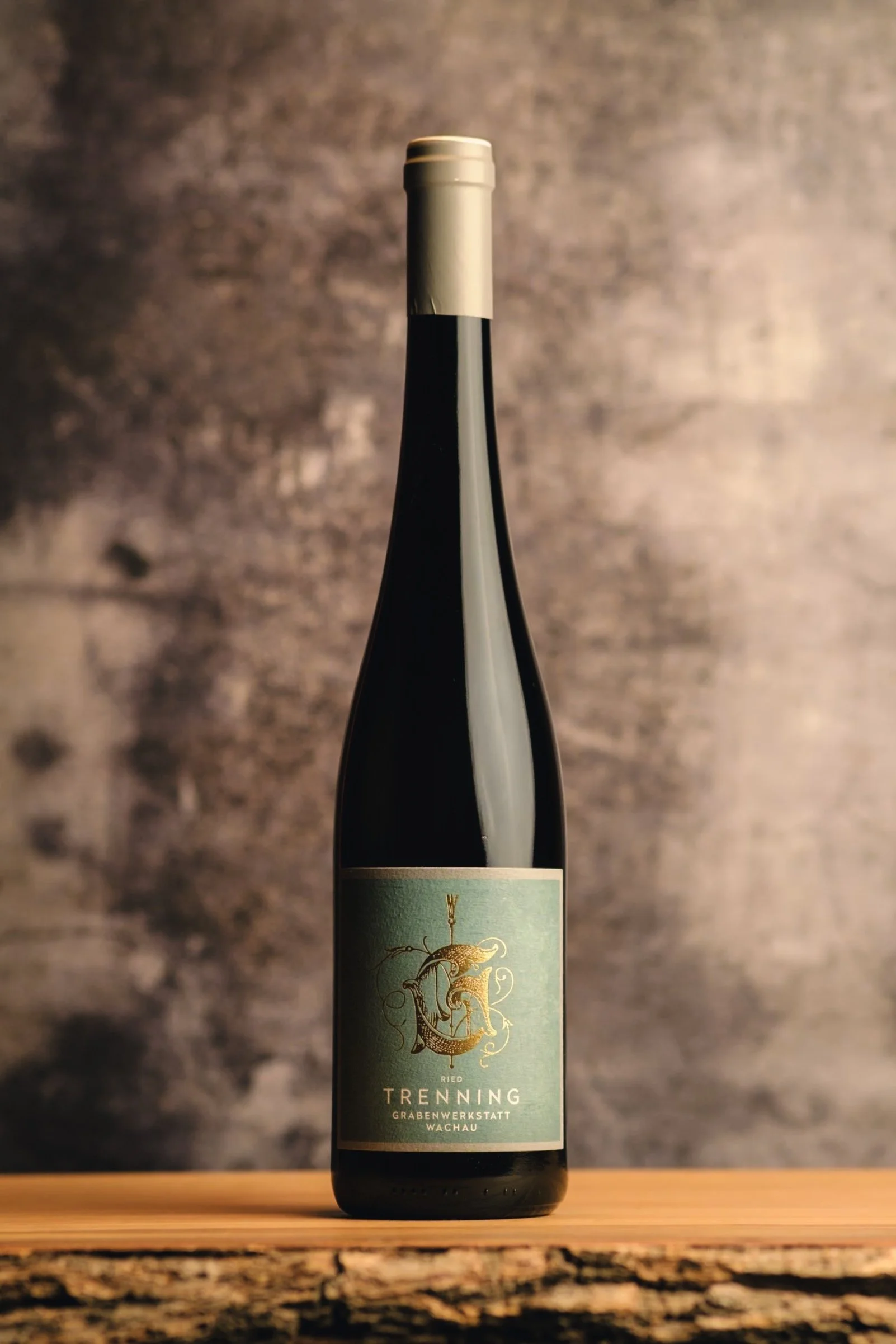
Trenning gives one of the most unique rieslings on the planet, in the hand of Michael and Franz this grape can truly enfold its true potential. The wine opens with flinty, smokey peppery notes revealing white peach, lime peel with elegant floral notes, its precision is truly mesmerising.
Winemaker | Michael Linke, Franz Hofbauer
Region | Spitzer Graben, Wachau, Austria
Variety | Riesling
Viticulture | Biodynamic
Soil | Graphite and a little limestone on gneiss.
Altitude | 500 m
Age of the vines | 60 years
Bottles made | 800 bottles
Single Vineyard
The Trenning is the highest vineyard in the Wachau lying at a 550m altitude. The south exposer makes the viticultural viable on the otherwise cold, windy and dry territory. Due to the steep slopes it can only be cultivated by hand as no machinery is able to climb it. The usual gneiss base soil is enriched by graphite and some limestone resulting in higher acidity and a more feminine style.
Vinification
This wine is made from the very best grapes grown on their top plots. The clusters were whole-bunch pressed and the juice was spontaneously fermented in steel tanks. The wine was left on its fine lees to mature. After 8 months it was bottled without fining or filtration with a little bit of sulphur.
2022 was a very odd one. Started out dry then got very rainy occasionally which resulted in a slightly earlier ripening and with wines that are fast developing, easily approachable and charming